Microcapsules
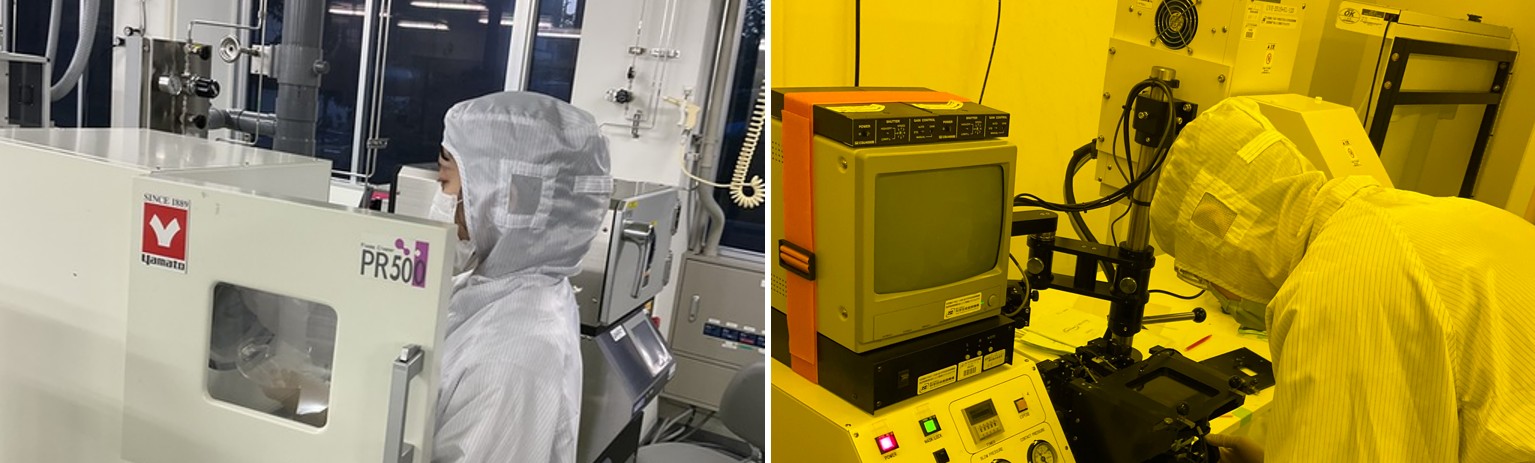
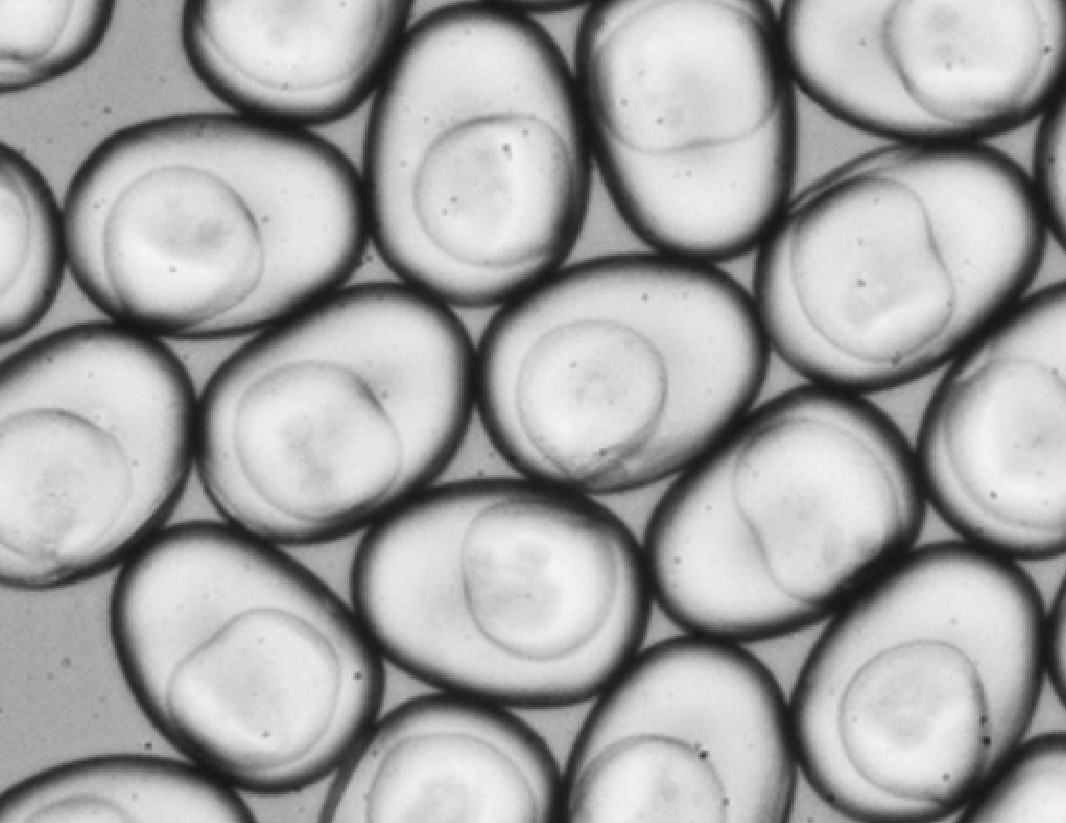
Many biological materials, including cells, are as small as the diameter of a human hair or even smaller, and each individual object has unique properties. This makes their manipulation and measurement difficult and requires technologies that can handle small size, large diversity, and high throughput at the same time. To address these challenges, we develop tiny capsules that can encapsulate individual biological materials. Using microfluidic channels designed in our lab, we are working to create uniquely shaped, high-performance, cell-sized capsules and to develop systems for transporting, selecting, and analyzing their contents at high speed. By combining fluid mechanics, control engineering, materials science, and biology, we aim to establish microcapsule-based platforms for high-throughput analysis of cells and biomolecules.
Cell Sorting Devices
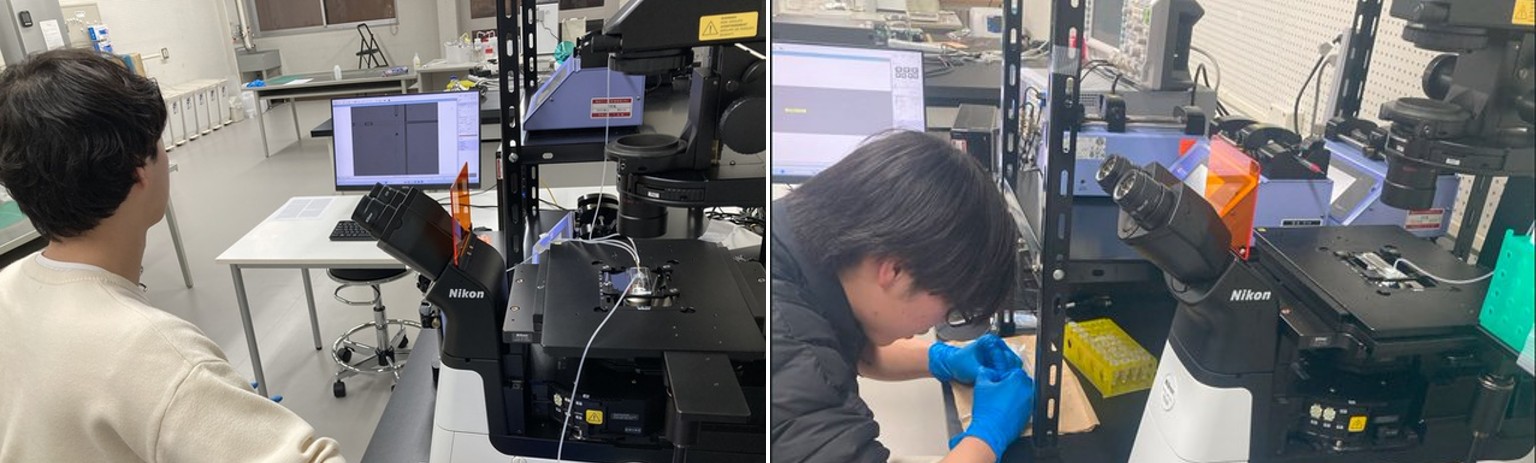
Even cells that look similar can have different properties. If we can isolate cells with specific characteristics, we can use them to understand disease mechanisms, conserve environmental resources, and develop food and medical applications. In this research topic, our lab focuses especially on cells with potential in environmental conservation and food production, such as microalgae. We develop high-speed cell sorting devices that take advantage of the interactions between the mechanical properties of cells and fluid forces generated in microchannels. By combining mechanical engineering with cell biology, we aim to develop new device principles that can sort cells gently, rapidly, and efficiently.
High-Throughput Protein Crystal Measurement
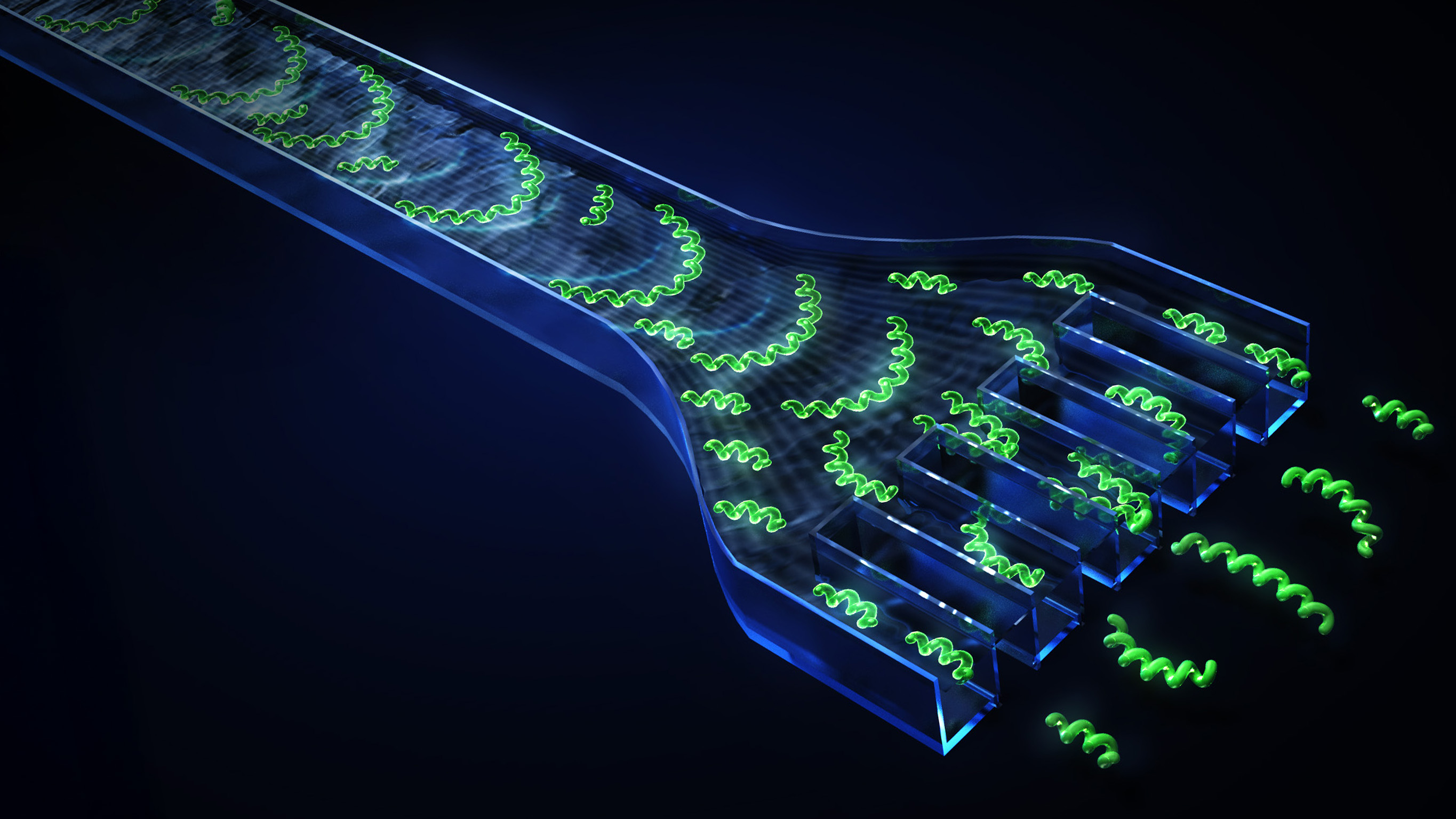
Proteins are fundamental components of living systems. Their three-dimensional structures are highly complex, and determining these structures often requires crystallization and X-ray diffraction analysis. However, protein crystals are fragile and can be damaged during measurement. We are working to develop systems that gently and efficiently transport protein crystals using acoustic waves, enabling continuous and high-throughput X-ray measurement. By combining microfluidics, acoustics, and precise sample handling, we aim to contribute to efficient and reliable structural biology experiments.
Cell Sorting Systems
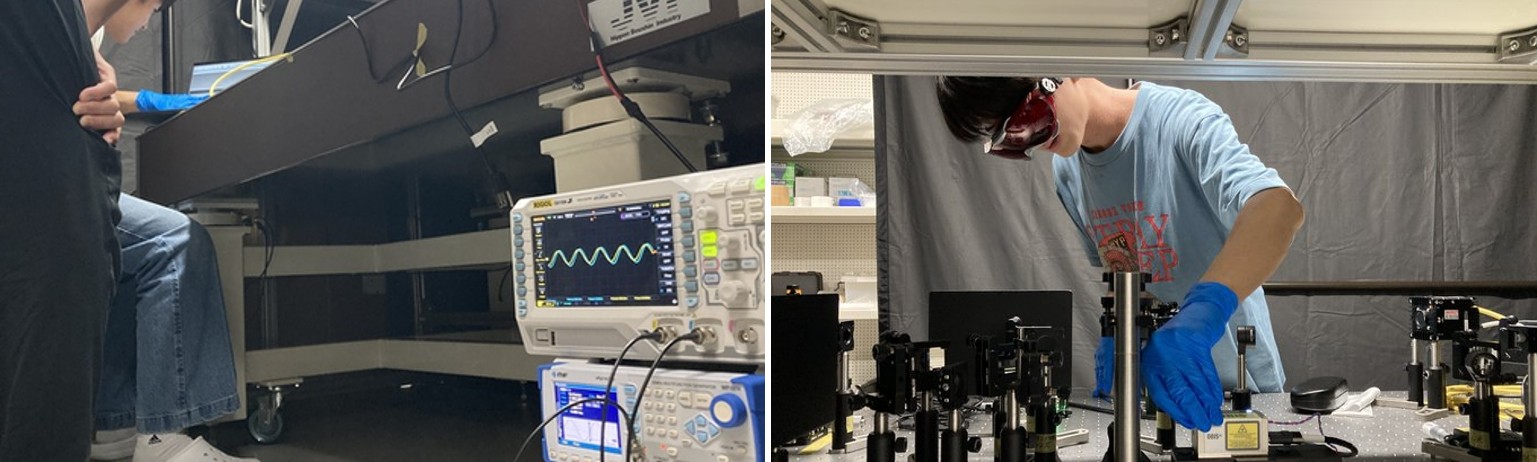
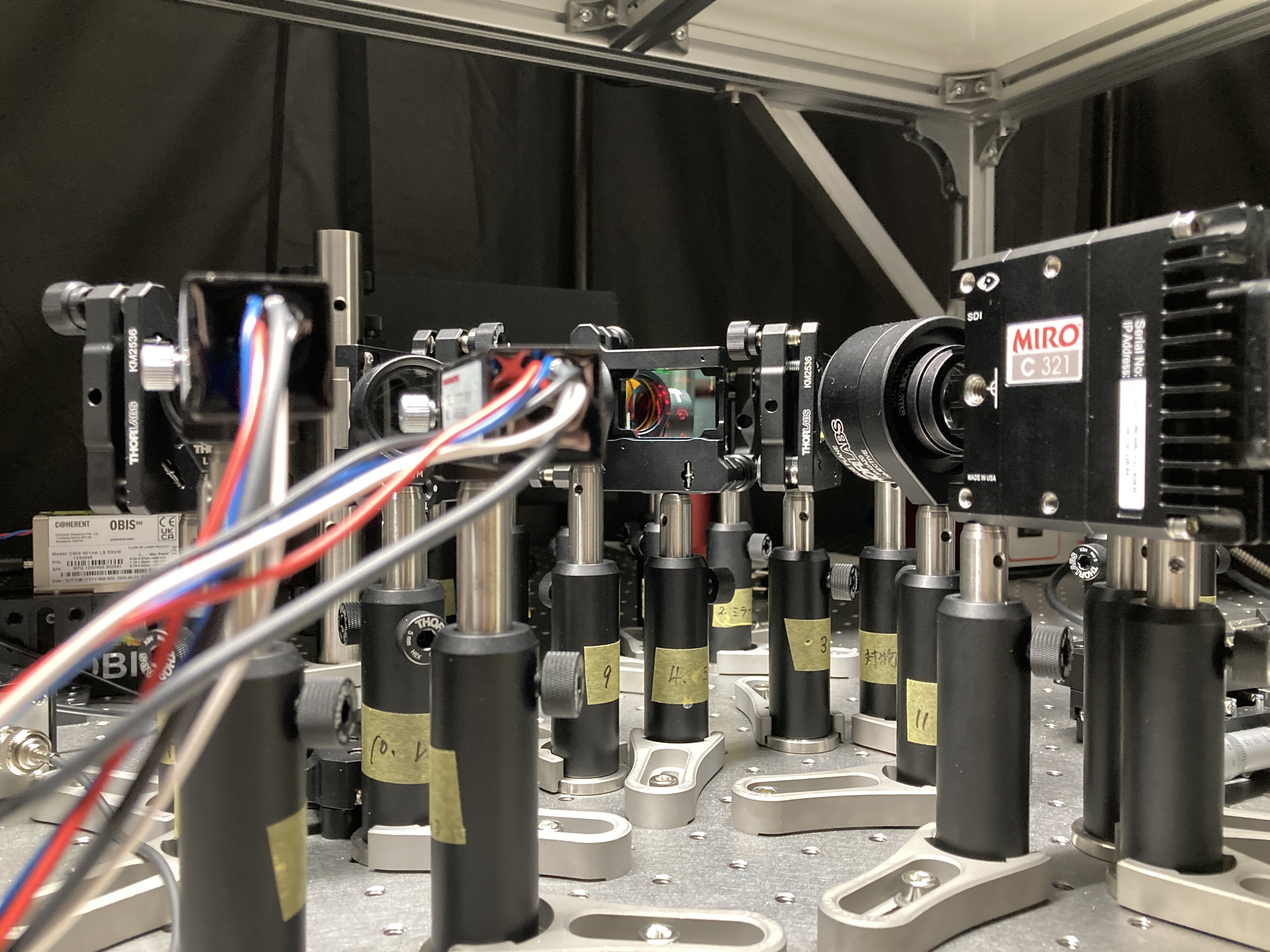
Fluorescence staining is one of the most widely used methods for detecting cellular functions. By observing the colors of fluorescent labels attached to cells, we can identify cells with specific functional properties. Systems that physically isolate important cells detected in this way have been actively studied worldwide, and many commercial cell sorting instruments are already available. In our lab, we build the optical systems that form the basis of such instruments and integrate them with microfluidic devices originally developed in our lab. By combining optics, microfluidics, and cell handling technologies, we aim to develop high-performance cell sorting systems that can detect, select, and collect target cells for further analysis and applications.
Heat Sinks for Microchannels
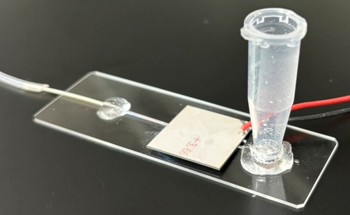
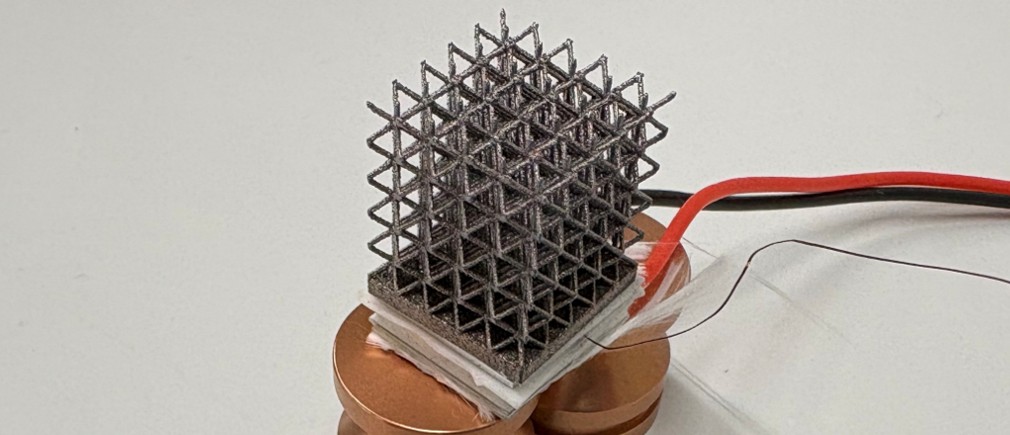
Many biological materials are sensitive to heat, so temperature management is often important in bio-related systems. Although forced cooling using external energy is possible, passive cooling methods using heat sinks and related structures are desirable when systems need to be compact or energy-efficient. In our lab, we are working to develop heat sinks that can efficiently dissipate heat generated by ultrasonic transducers used for biological material manipulation. Specifically, we use metal 3D printing to realize complex heat sink structures that are difficult to fabricate by conventional machining methods. Through this approach, we aim to develop heat sinks with high cooling performance.
Cell Image Analysis
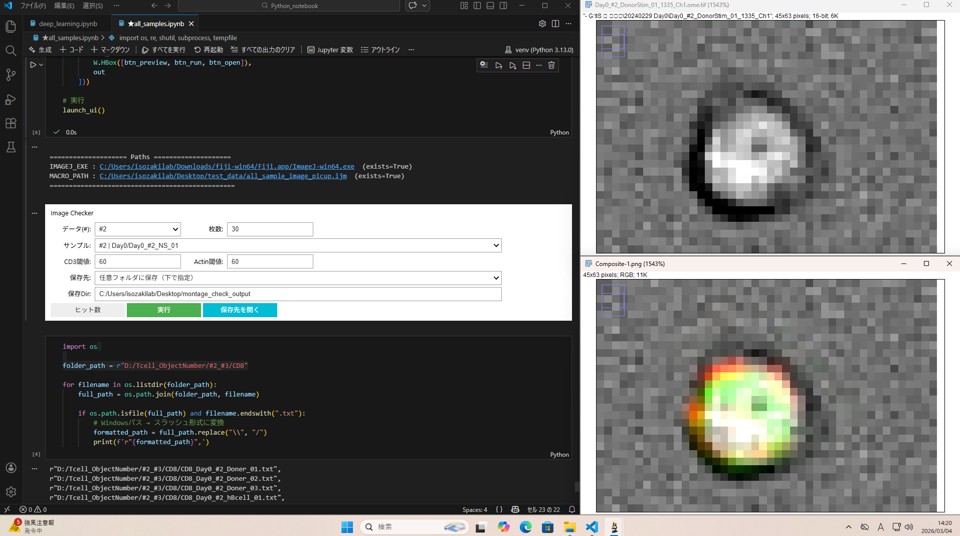
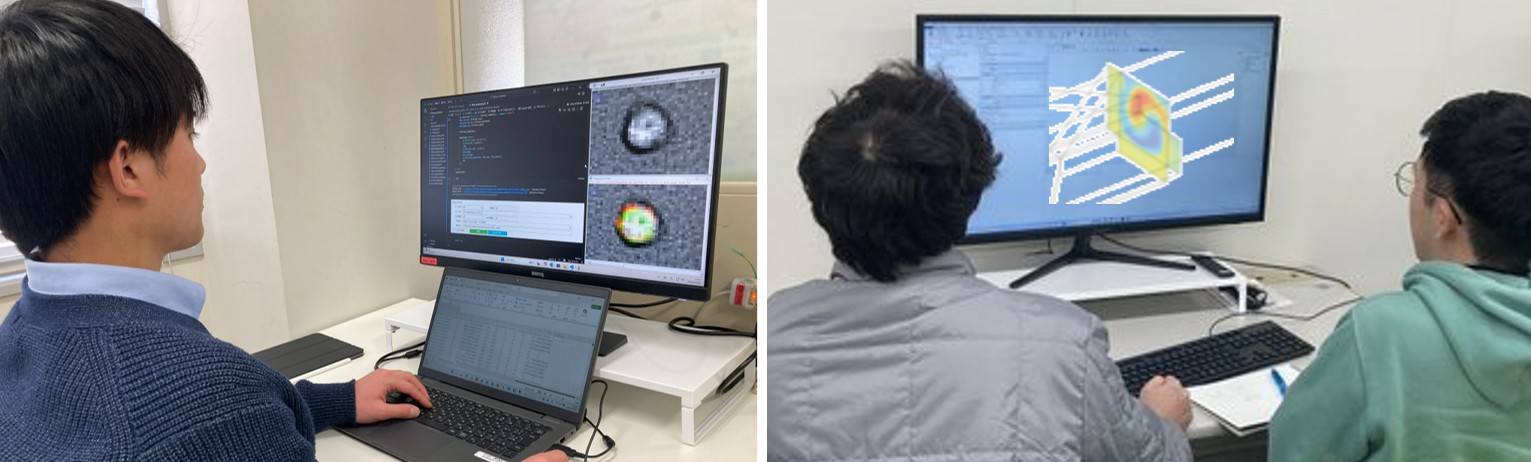
Blood tests are routinely used to examine what types of cells are present in the blood and in what numbers, providing important information about our health. In many cases, these tests focus mainly on cell types and cell counts. However, even cells of the same type may show different functional states depending on how proteins are distributed on the cell surface or inside the cell. In our lab, we receive large numbers of blood cell images from our collaborators and develop algorithms to analyze them systematically. By using image analysis methods, including AI-based approaches, we aim to develop immunodiagnostic methods based on single-cell analysis.