Laboratory of Polymer Materials ChemistryTsutsumi Group, Ritsumeikan University 日本語

Research


Building new materials from molecules and revealing how structure gives rise to function.
Here are some of our current research themes.

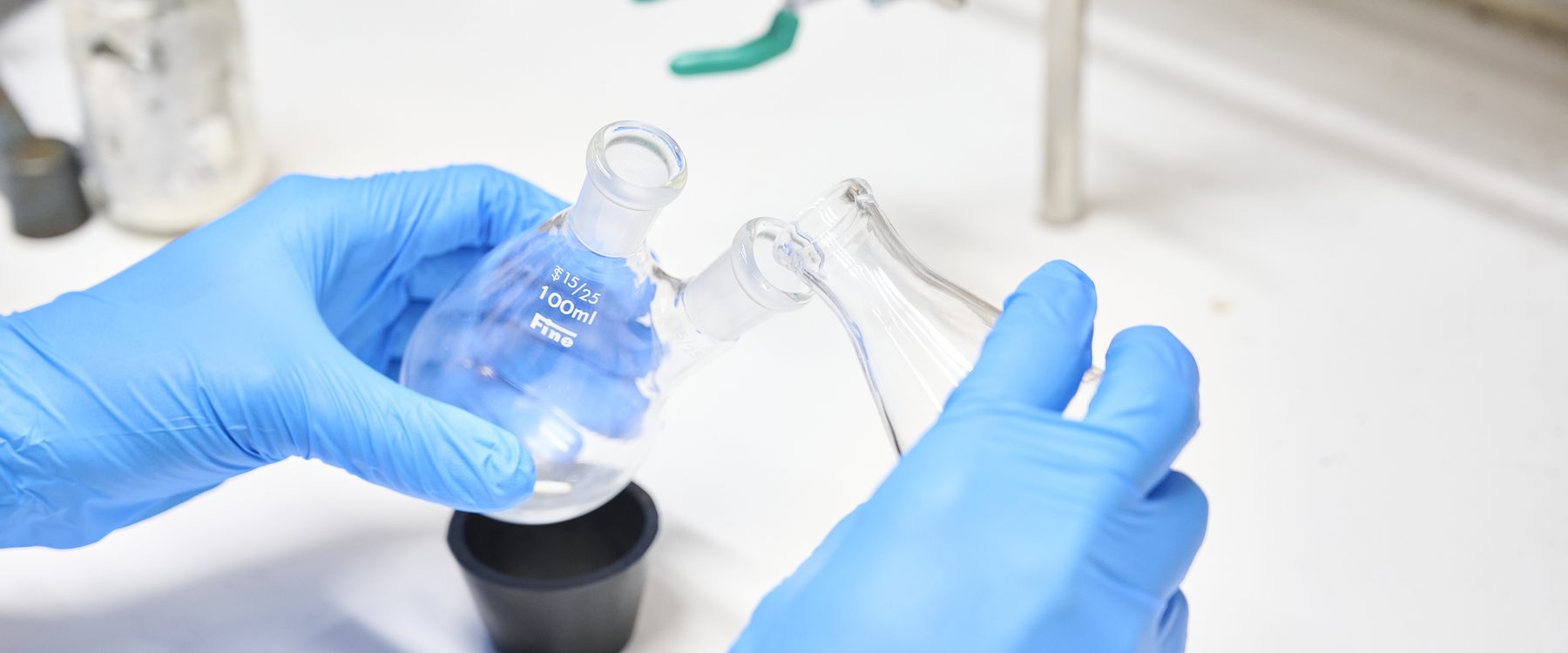
Hands handling a flask

Our basic approach to research


At the Laboratory of Polymer Materials Chemistry, soft, smart materials are the focus of our research. We investigate relationships between structure and function at the molecular and collective levels, with the goal of creating materials that serve society. To this end, we carry out integrated research from molecular design and materials fabrication to the evaluation of material properties.

Although organic molecules can be designed with great freedom, optimizing molecular structure alone makes it difficult to reproduce the sophisticated functions found in biological materials. In living systems, not only molecular structure but also molecular position and alignment are precisely regulated. This higher-order organization is a source of function. We therefore seek to create materials with new functions by controlling higher-order structure, such as molecular arrangement and alignment, in addition to molecular structure (primary structure).

In our laboratory, we view materials creation through the framework of hierarchical structural control, and we carry out molecular design and synthesis, control of molecular assembly, materials fabrication, and property evaluation in an integrated manner. This approach reveals how structures at the molecular level contribute to function and performance at each level, from the microscale to the macroscale. In this way, we understand and design how molecules assemble into materials, level by level.

Emergence describes properties of a whole that cannot be explained by simply adding up the properties of its parts. At the center of our research is understanding and controlling the emergent phenomena that arise when molecules assemble. Through hierarchical structural control, we seek to bring out the potential inherent in materials.

Main current research themes

  • Mechano-optical materials based on alignment control in liquid-crystalline molecules
  • Luminescent liquid-crystalline Au(I) complexes: controlling luminescence through liquid-crystal alignment
  • Structural control and functionalization of polymer particles
  • Materials design using computational chemistry and machine learning

Luminescent liquid-crystalline Au(I) complexes: controlling luminescence through liquid-crystal alignment

Au(I) complexes can emit light when intermolecular Au(I)···Au(I) interactions are present. These aurophilic interactions are comparable in strength to hydrogen bonds. Because emission depends on such interactions, changes in the aggregated structure can alter the luminescence. We found that a compound synthesized in our laboratory changes both the color and intensity of its emission as it transforms on heating from a crystal to a liquid-crystalline phase and then to an isotropic liquid.
Luminescent liquid-crystalline Au(I) complexes: controlling luminescence through liquid-crystal alignment, figure 1 Luminescent liquid-crystalline Au(I) complexes: controlling luminescence through liquid-crystal alignment, figure 2 Luminescent liquid-crystalline Au(I) complexes: controlling luminescence through liquid-crystal alignment, figure 3 Luminescent liquid-crystalline Au(I) complexes: controlling luminescence through liquid-crystal alignment, figure 4 Luminescent liquid-crystalline Au(I) complexes: controlling luminescence through liquid-crystal alignment, figure 5 Luminescent liquid-crystalline Au(I) complexes: controlling luminescence through liquid-crystal alignment, figure 6

Polymer emitters: are multiple emitters necessary for white-light generation?

White LEDs used in general lighting do not generate white light from a single emitter. Instead, they combine either three emitters in the primary colors of light—red, green, and blue—or two emitters, blue and yellow, to produce light that appears white. Their spectra, however, differ from those of natural light sources such as sunlight.

We have developed a polymer that produces white emission with a spectrum similar to sunlight from a single compound. Its molecular structure is simple and contains neither rare nor precious metals, enabling straightforward, low-cost synthesis. It is also flexible and readily formed into thin films. In organic light-emitting diode (OLED) lighting, this material is expected to simplify device structures and enable lower-cost, lower-energy manufacturing.

This work was also reported in the Nikkei Sangyo Shimbun (morning edition, September 2, 2013) and the Nikkan Kogyo Shimbun (morning edition, May 29, 2017).

Materials that visualize force

Technologies for visualizing force are needed across industry. Because robots control their motion while sensing forces on their components, force sensors are among the most important elements in robotics. As a force-visualizing material, we have developed a rubber-like polymer that changes color when mechanically deformed. When stretched or compressed, it makes the magnitude and distribution of force visible through its color change.

We expect this material to contribute to robotic tactile sensors, the motion analysis of athletes, and soft robots assembled entirely from polymers. This work was also reported in the Nikkei Sangyo Shimbun (morning edition, October 12, 2018).

The color changes when stretched and returns when released.

Molecular alignment control in polymers

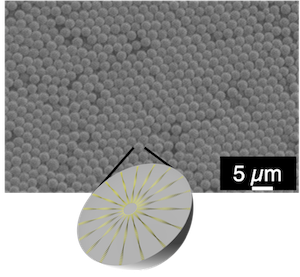
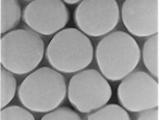
We are developing methods to control molecular alignment in polymer materials. Using chiral-nematic liquid crystals (N* LCs), in which molecules spontaneously adopt a helical arrangement, we have fabricated particles and films while precisely controlling helical-axis alignment. For example, we have readily prepared monodisperse polymer particles with a diameter of 2 µm and radial helical-axis alignment.

Technology for controlling molecular alignment in polymers: figure 1

Metal oxide nanomaterials and liquid-crystal-assisted ordering

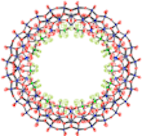
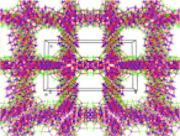
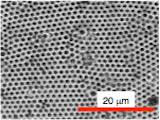
Polyoxometalates are large, metal-oxide molecular clusters. We focus on macrocyclic polyoxomolybdate (POxMo) and control its aggregated structure by combining it with liquid-crystalline molecules. Under optimized synthesis conditions, POxMo forms nano-hole arrays with regularly arranged nanometer-scale pores. We have also shown that its aggregated structure can be controlled by forming composites with organic liquid-crystalline molecules.

Metal oxide nanomaterials and liquid-crystal-assisted ordering: figure 1 Metal oxide nanomaterials and liquid-crystal-assisted ordering: figure 2 Metal oxide nanomaterials and liquid-crystal-assisted ordering: figure 3 Metal oxide nanomaterials and liquid-crystal-assisted ordering: figure 4

Development of materials design methods using computational chemistry and machine learning

We are developing materials-design methods that integrate experiment, quantum chemical calculations, and machine learning (AI). Functional materials have traditionally been designed through researchers’ intuition, experience, and insight, because it is extremely difficult to analyze and optimize numerous design parameters simultaneously. We therefore use AI to learn from accumulated materials knowledge and uncover complex correlations.

Quantum chemical calculations predict the properties of individual molecules, whereas machine learning predicts materials properties for molecular assemblies. For example, we are working to predict solid-state emission color and the helical twisting power of chiral molecules. By testing AI predictions experimentally, we seek to create high-performance materials that have not previously been attainable.

Scenes from the laboratory


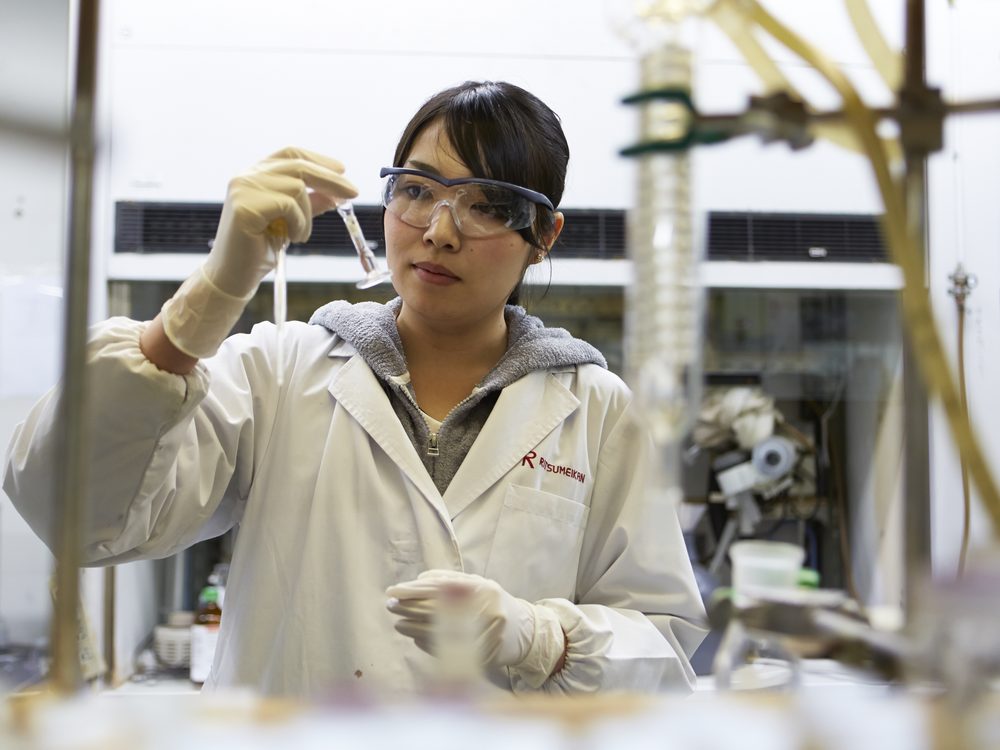
  • A student in a lab coat handling a sample
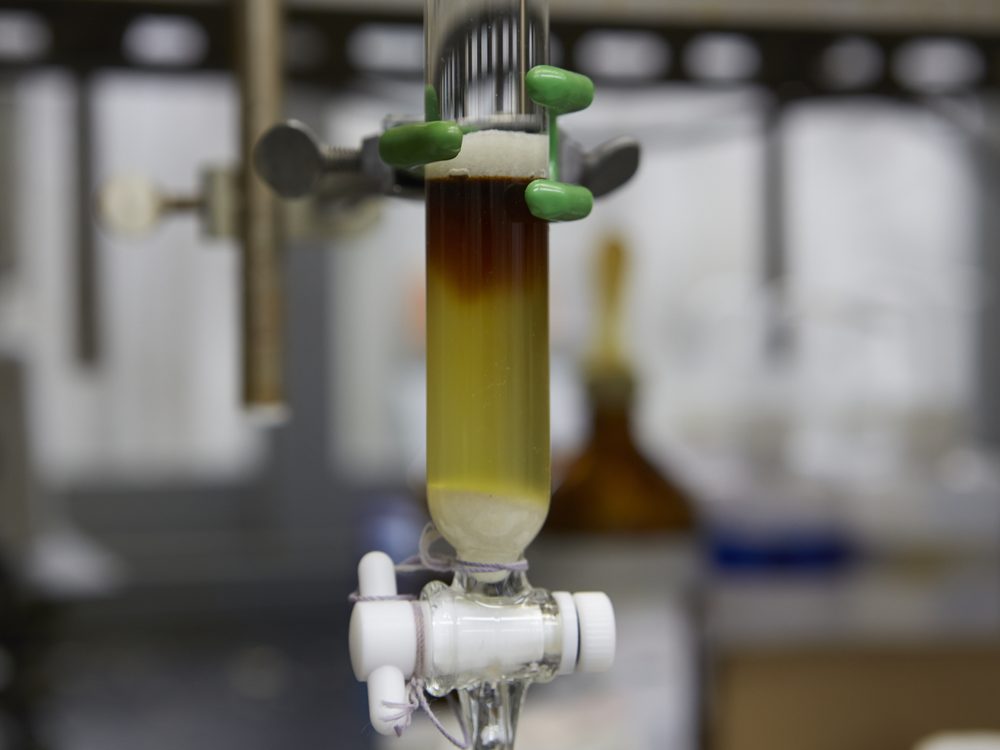
  • Separation by column chromatography
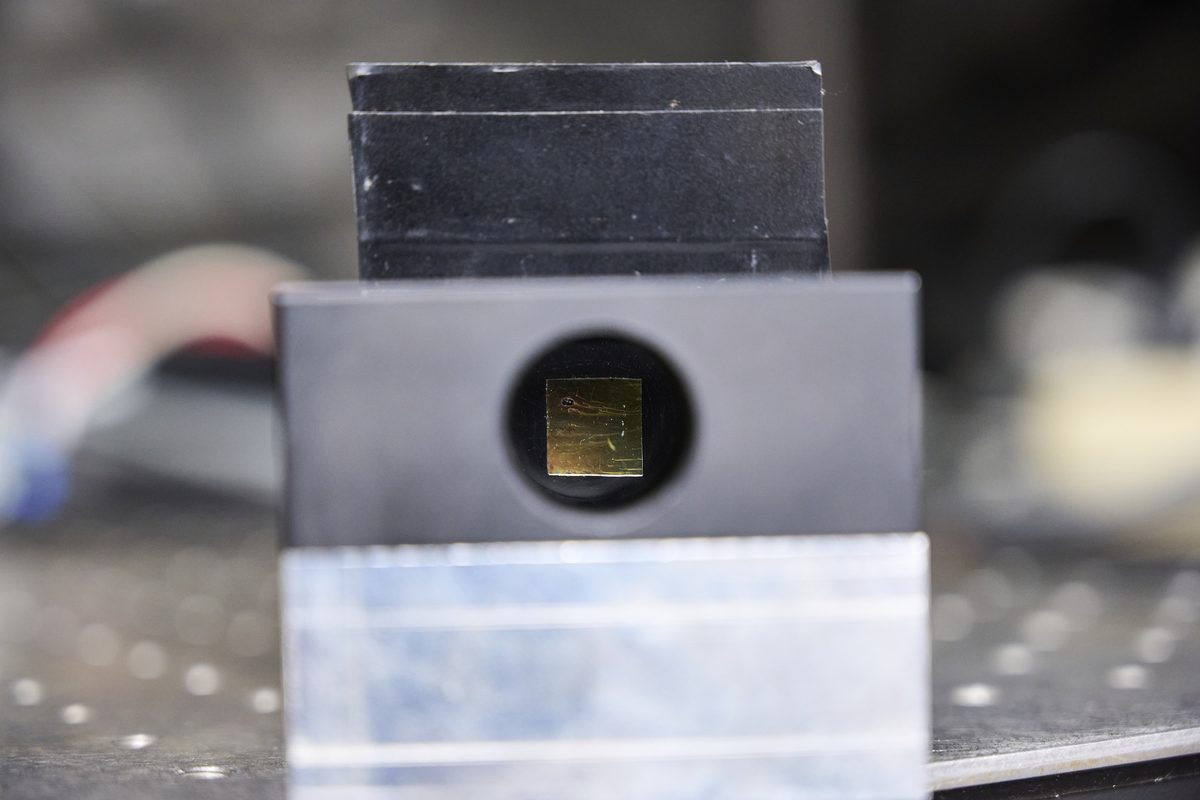
  • A sample holder for luminescence measurements
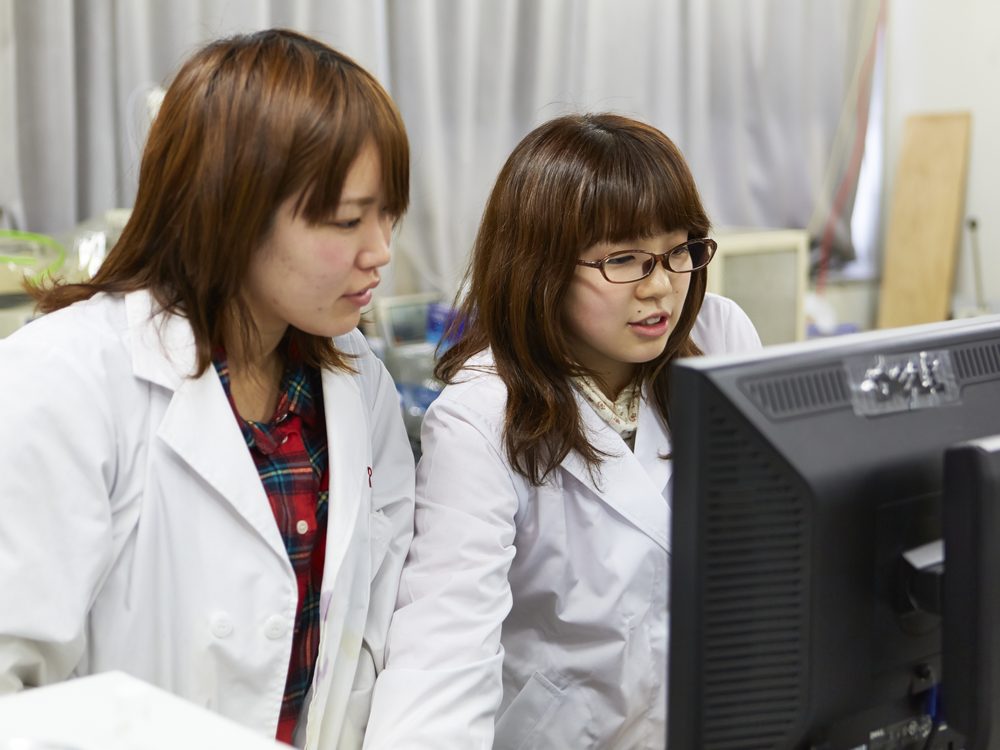
  • Two students checking measurement data