
TOPICS
Bangkok International Organization Training Program Held in Thailand
The Bangkok International Organization Training Program in Thailand was held from September 14 to September 20, 2025.
This study tour is a unique overseas training program offered by the College of International Relations and coordinated by Professor Sachiko Ishikawa. The program aims to deepen students’ understanding of the roles and practical operations of international organizations by allowing them to learn directly from professionals and visit the sites where these organizations carry out their work.
The program also encourages students to reflect on their own interests and future career paths, helping to strengthen their motivation for further study and professional development.
During this year’s tour, students visited UNHCR, UNICEF, UNESCAP, UNESCO, JICA, and Chulalongkorn University in Bangkok, Thailand.
UNHCR (United Nations High Commissioner for Refugees)
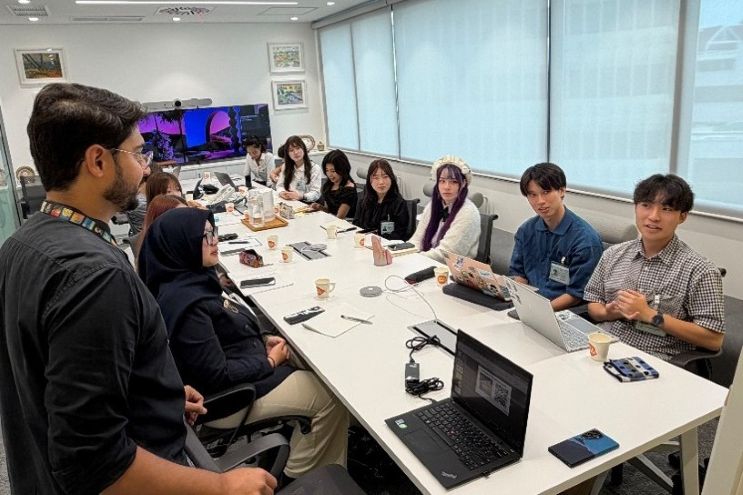
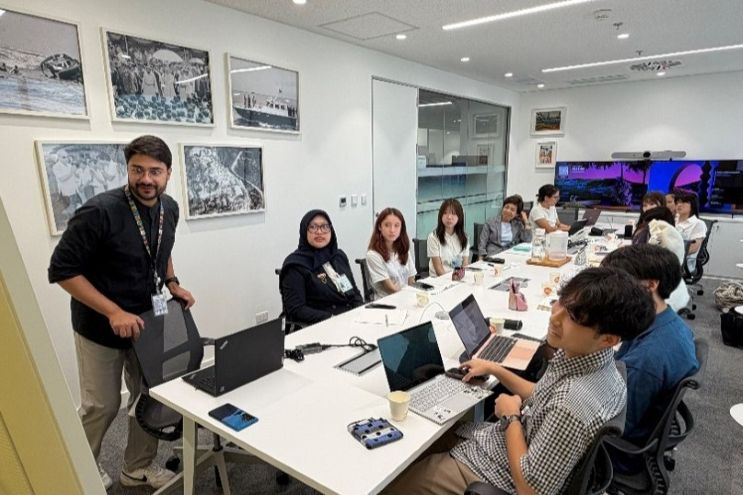
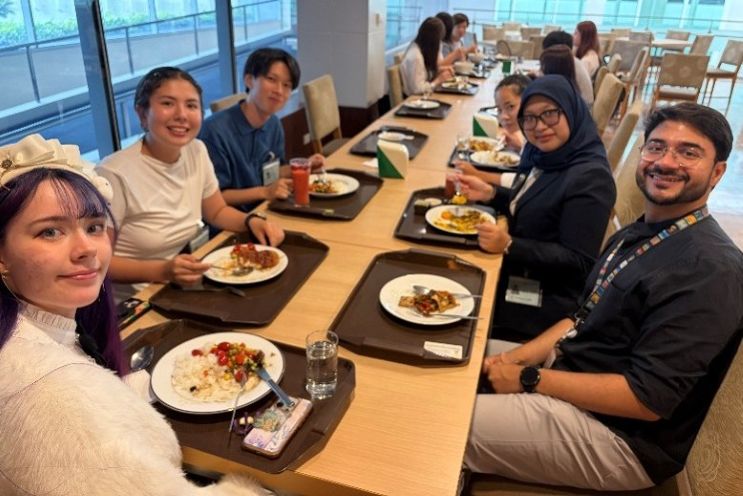
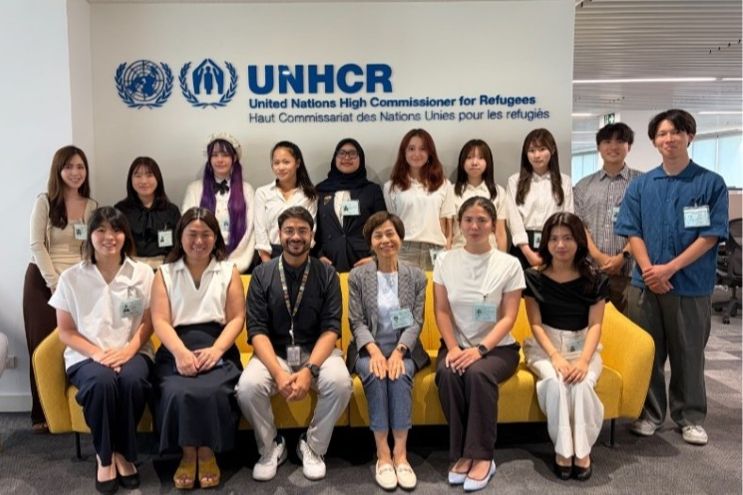
At UNHCR, students participated in a workshop led by Khun Swarnabh. Using the interactive presentation tool Mentimeter, which enables real-time surveys, polling, and data visualization, students actively exchanged ideas and opinions.
The workshop provided valuable insights into the current state of refugee assistance, the challenges faced by displaced populations, and the specific initiatives undertaken by UNHCR.
UNICEF (United Nations Children’s Fund)
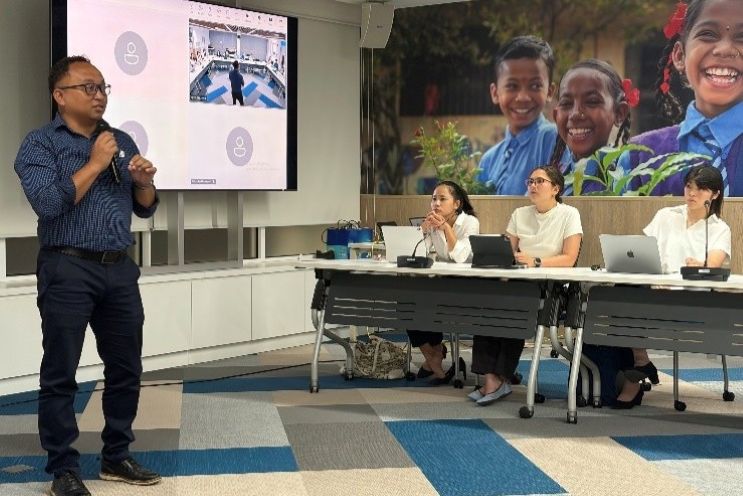
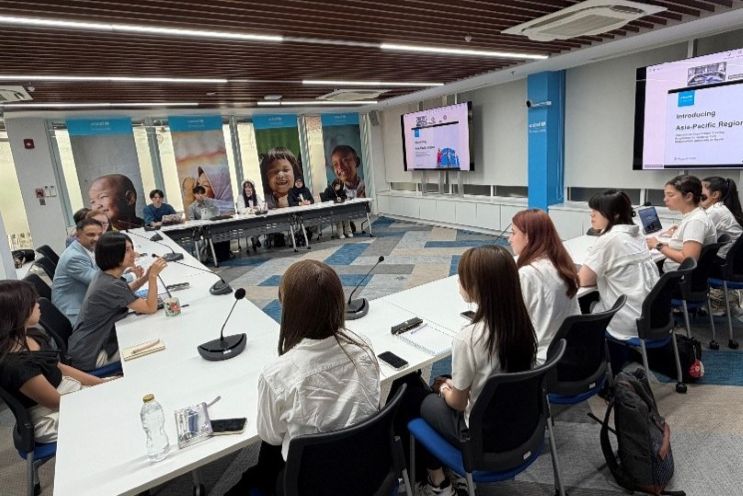
At UNICEF, staff members introduced their day-to-day responsibilities and discussed the qualities and competencies required to work in an international organization. They also shared their career journeys leading to UNICEF and thoughtfully answered students’ questions.
The session offered students a clearer and more concrete understanding of what it means to work in an international organization while encouraging them to reflect on their own career aspirations.


UNESCAP (United Nations Economic and Social Commission for Asia and the Pacific)
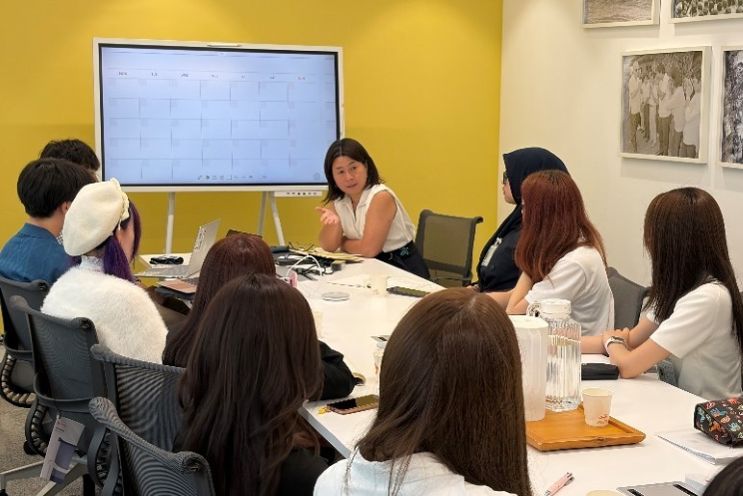
At UNESCAP, intern Filipe guided students on a tour of the facilities. Following presentations by Marisa Panyachiva and Madelyn Almazora on the organization’s mission and activities, students engaged in an interactive discussion session.
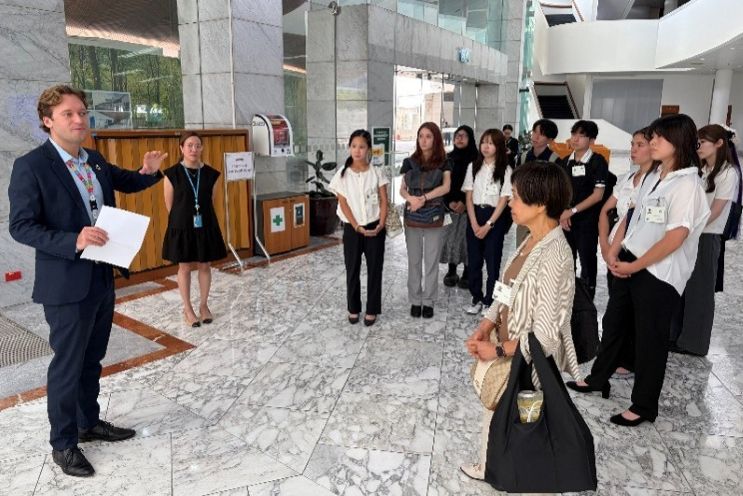
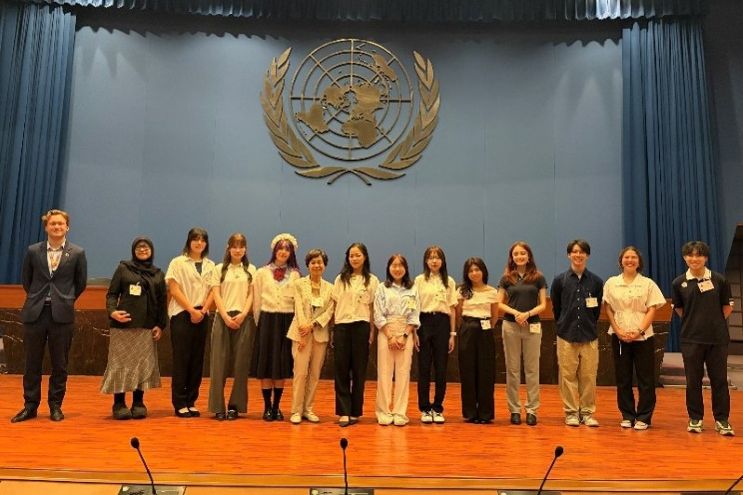
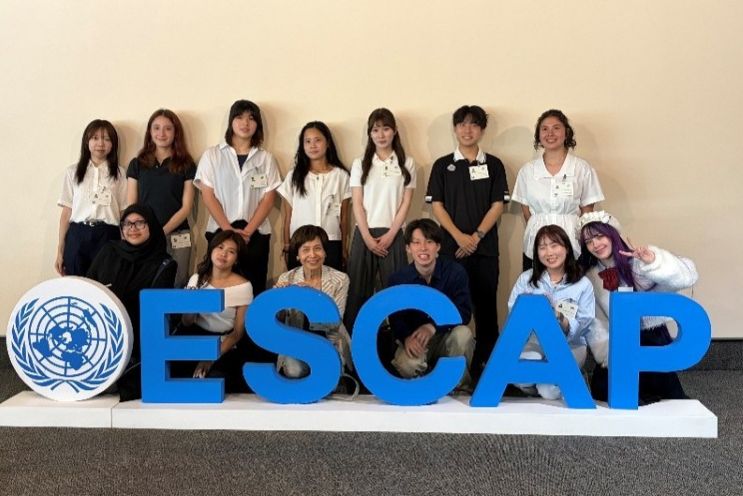
In addition, staff member Moon and other colleagues who had previously completed internships at UNESCAP shared their experiences, discussing internship opportunities, career development, and their current work. A recruiter also provided a detailed explanation of the job application process and important points to consider when applying.
Through these sessions, students gained a comprehensive and practical understanding of careers in international organizations, ranging from daily responsibilities and professional development to actual recruitment processes. Staff members from various divisions also explained their roles, projects, and challenges, further deepening students’ understanding of UNESCAP’s work.
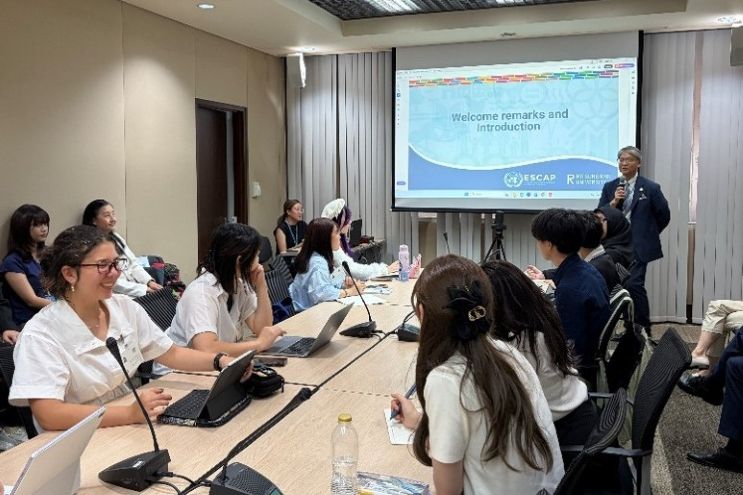
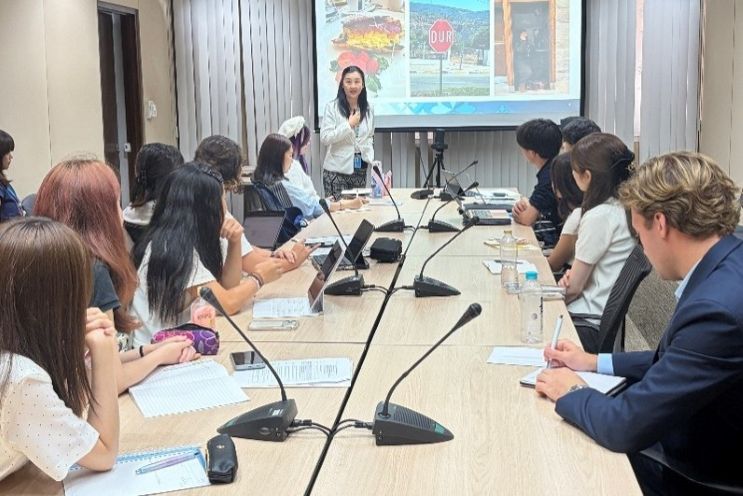
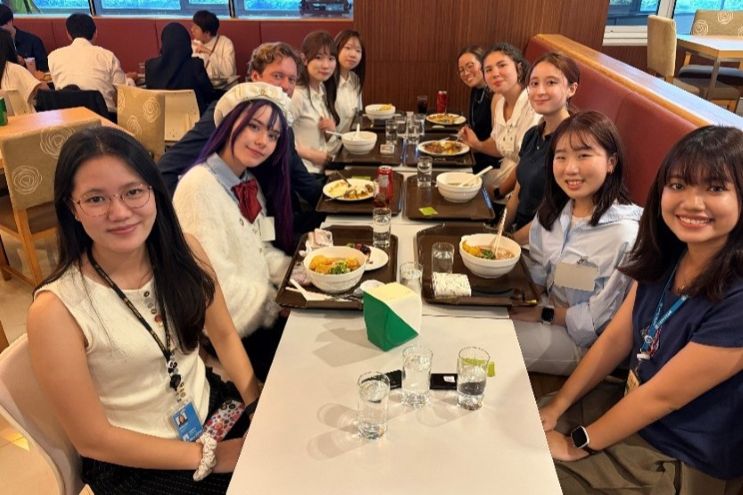
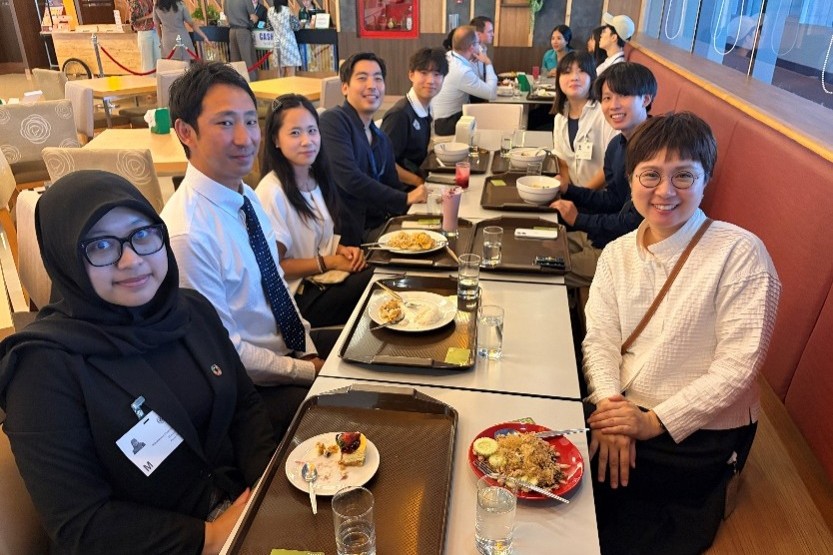
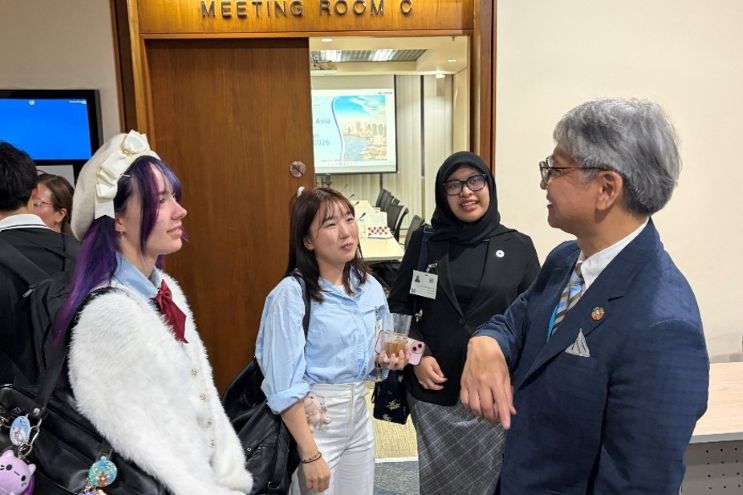
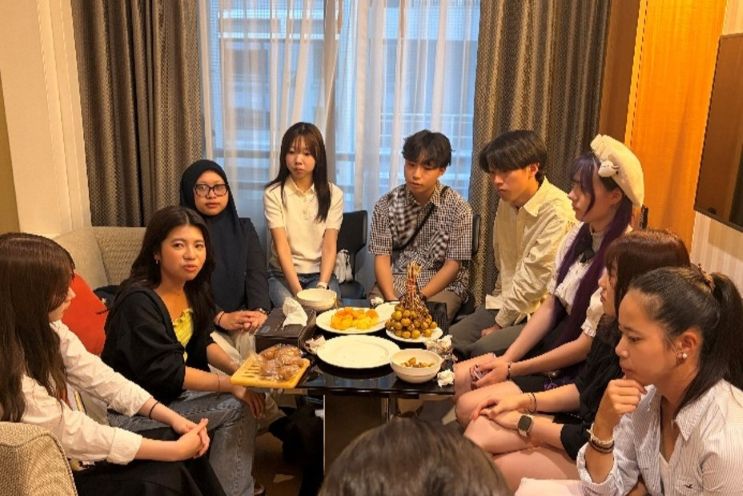
Throughout the tour, participants gathered each evening after returning to the hotel to reflect on what they had learned, observed, and experienced that day. By sharing their insights with faculty members and fellow participants, students were able to organize their thoughts and deepen their learning through reflection and discussion.
UNESCO (United Nations Educational, Scientific and Cultural Organization)
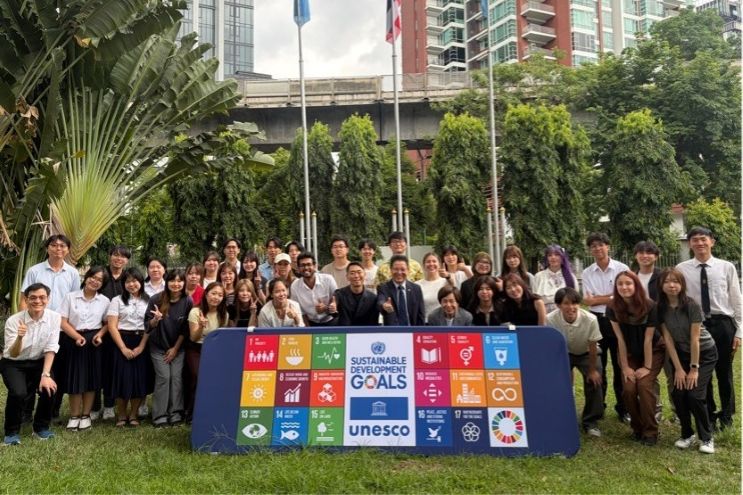
At UNESCO, students joined participants from Chulalongkorn University to learn about a wide range of topics, including UNESCO’s initiatives related to the Sustainable Development Goals (SDGs), World Heritage Sites, environmental issues, education, and gender equality.
The sessions provided an excellent opportunity to deepen students’ understanding of diverse global issues and to learn about UNESCO’s contributions to addressing international challenges.
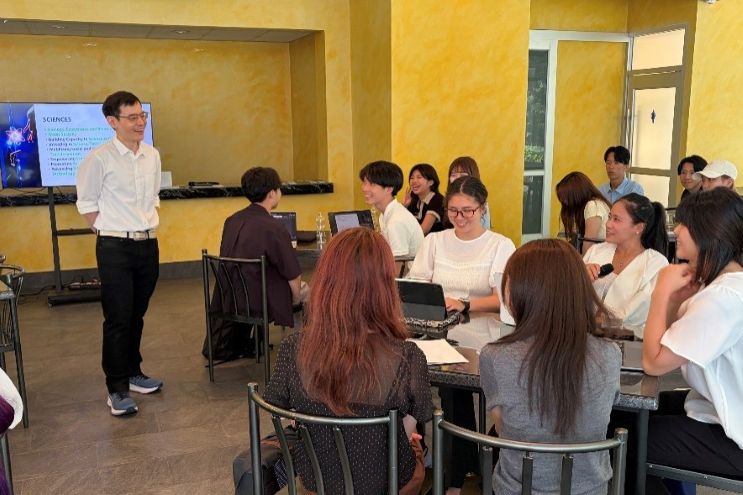
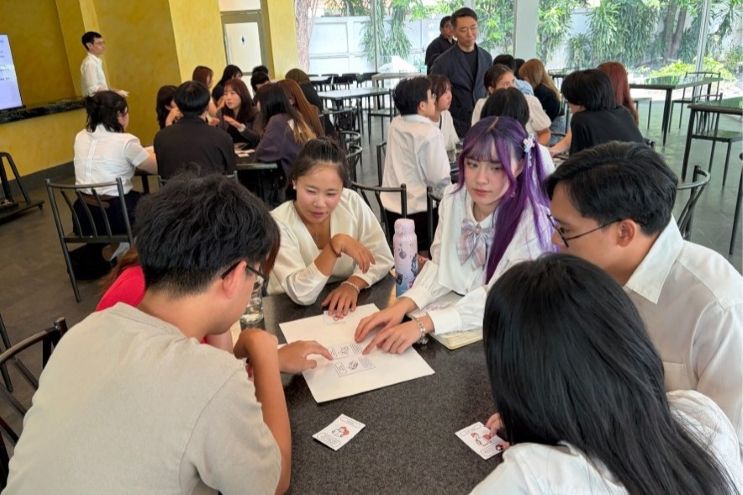
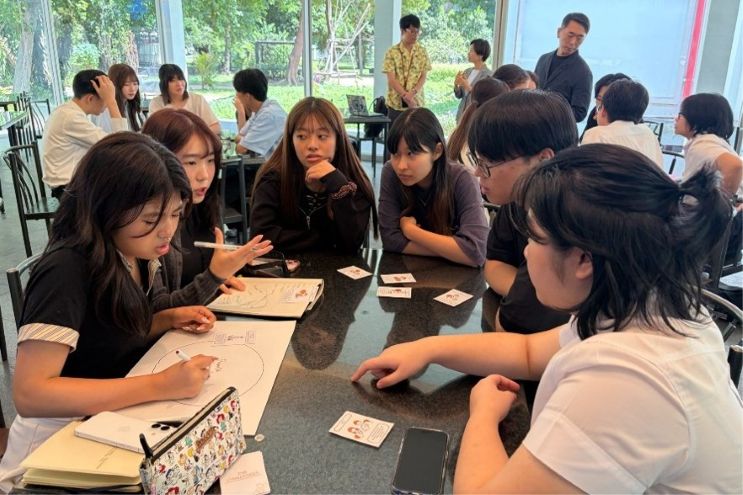
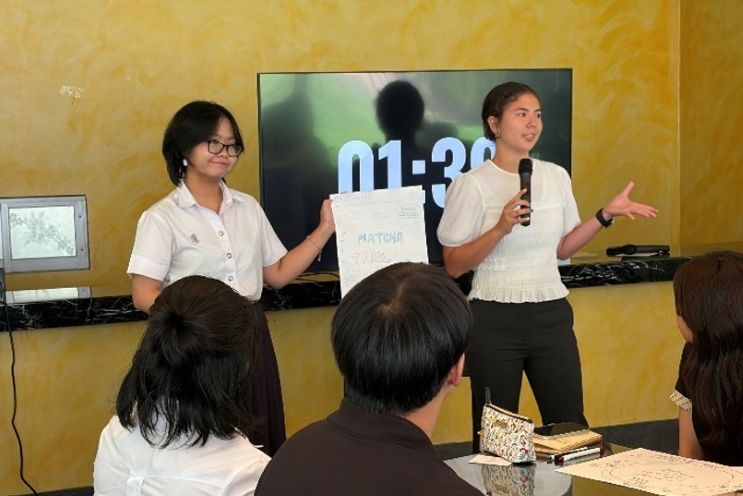
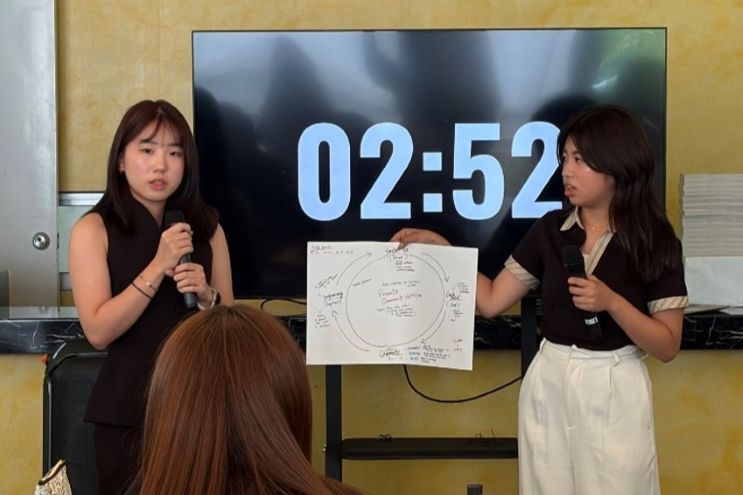
Students also participated in a group activity called “City Heroes Club.” Divided into six teams, they were tasked with designing projects based on assigned professions and areas of expertise and then presenting their ideas within a limited time frame. Each team proposed creative and practical solutions, making the activity an excellent opportunity to develop teamwork and problem-solving skills.
JICA (Japan International Cooperation Agency)
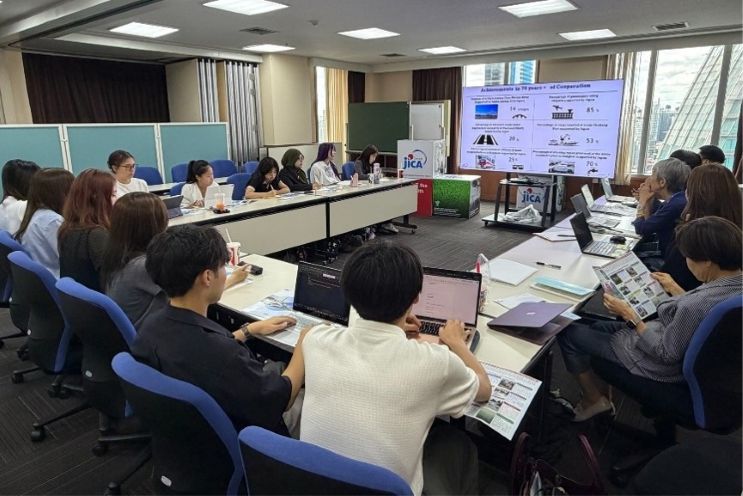
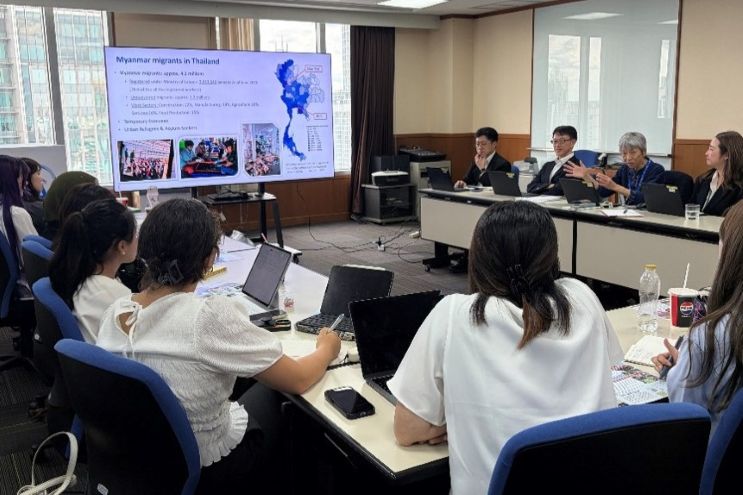
In the afternoon, students visited JICA, where they learned about JICA’s activities in Bangkok, the city’s environmental and infrastructure challenges, and the history of Japan–ASEAN relations.
Chulalongkorn University
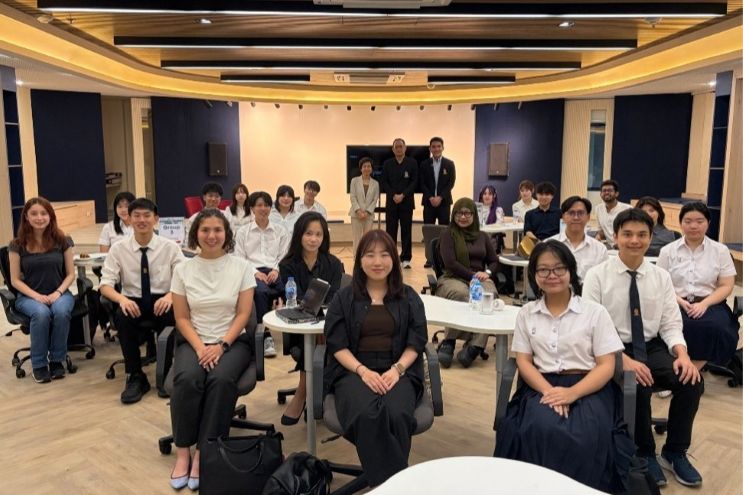
At Chulalongkorn University, students attended a lecture on the SDGs delivered by Professor Bhumin Than-ardna. Following a presentation by Ritsumeikan students on the university’s SDG-related initiatives, students from both universities worked together in groups to identify key SDG-related challenges and propose solutions. The program concluded with group presentations sharing their ideas.
Participants also joined a campus tour of Chulalongkorn University, where they learned about university facilities, educational initiatives, and student life. The tour provided an excellent opportunity for students from both universities to exchange views and build friendships.
This study tour is a unique overseas training program offered by the College of International Relations and coordinated by Professor Sachiko Ishikawa. The program aims to deepen students’ understanding of the roles and practical operations of international organizations by allowing them to learn directly from professionals and visit the sites where these organizations carry out their work.
The program also encourages students to reflect on their own interests and future career paths, helping to strengthen their motivation for further study and professional development.
During this year’s tour, students visited UNHCR, UNICEF, UNESCAP, UNESCO, JICA, and Chulalongkorn University in Bangkok, Thailand.
At UNHCR, students participated in a workshop led by Khun Swarnabh. Using the interactive presentation tool Mentimeter, which enables real-time surveys, polling, and data visualization, students actively exchanged ideas and opinions.
The workshop provided valuable insights into the current state of refugee assistance, the challenges faced by displaced populations, and the specific initiatives undertaken by UNHCR.
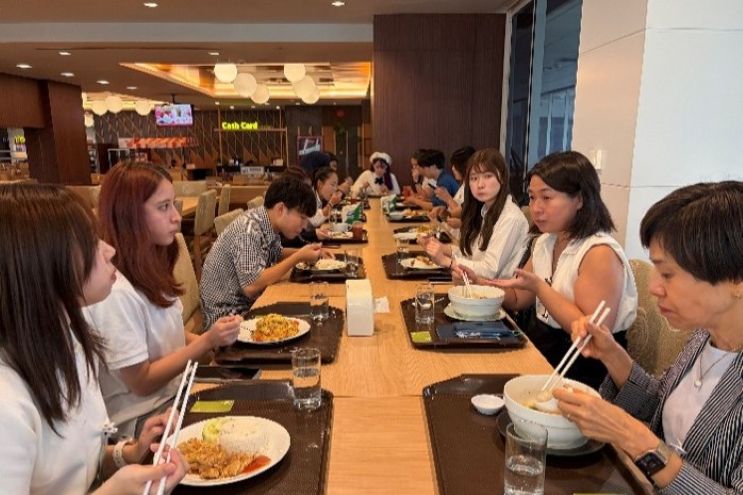
Students also attended a session led by Shigeko Nambu, who spoke about UNHCR’s relationship with Japan, her own work at the organization, and career opportunities within international organizations. During a lunch session, she kindly answered students’ questions, providing a valuable opportunity for participants to think more concretely about their future careers and the possibility of working in international organizations.
At UNICEF, staff members introduced their day-to-day responsibilities and discussed the qualities and competencies required to work in an international organization. They also shared their career journeys leading to UNICEF and thoughtfully answered students’ questions.
The session offered students a clearer and more concrete understanding of what it means to work in an international organization while encouraging them to reflect on their own career aspirations.
UNICEF staff member Sayuri Asano also explained the application procedures and recruitment process for positions at UNICEF, providing practical information for students interested in pursuing careers with international organizations.
UNESCAP (United Nations Economic and Social Commission for Asia and the Pacific)
At UNESCAP, intern Filipe guided students on a tour of the facilities. Following presentations by Marisa Panyachiva and Madelyn Almazora on the organization’s mission and activities, students engaged in an interactive discussion session.
Through these sessions, students gained a comprehensive and practical understanding of careers in international organizations, ranging from daily responsibilities and professional development to actual recruitment processes. Staff members from various divisions also explained their roles, projects, and challenges, further deepening students’ understanding of UNESCAP’s work.
During lunch, students had the opportunity to speak informally with numerous staff members and interns, allowing for meaningful conversations and networking. In the afternoon sessions, students continued to learn about the work of different divisions and were able to ask individual staff members a variety of questions.
At UNESCO, students joined participants from Chulalongkorn University to learn about a wide range of topics, including UNESCO’s initiatives related to the Sustainable Development Goals (SDGs), World Heritage Sites, environmental issues, education, and gender equality.
The sessions provided an excellent opportunity to deepen students’ understanding of diverse global issues and to learn about UNESCO’s contributions to addressing international challenges.
In the afternoon, students visited JICA, where they learned about JICA’s activities in Bangkok, the city’s environmental and infrastructure challenges, and the history of Japan–ASEAN relations.
The session also covered Thailand’s relationship with neighboring Myanmar and issues related to migration, providing students with a broader understanding of regional development and international cooperation.
At Chulalongkorn University, students attended a lecture on the SDGs delivered by Professor Bhumin Than-ardna. Following a presentation by Ritsumeikan students on the university’s SDG-related initiatives, students from both universities worked together in groups to identify key SDG-related challenges and propose solutions. The program concluded with group presentations sharing their ideas.
Participants also joined a campus tour of Chulalongkorn University, where they learned about university facilities, educational initiatives, and student life. The tour provided an excellent opportunity for students from both universities to exchange views and build friendships.
This study tour was made possible through the extensive professional network that Professor Sachiko Ishikawa developed during her time working with UNHCR and JICA. Students from a wide range of nationalities, academic backgrounds, and year levels participated, united by a common interest in international organizations. The program provided participants with an exceptionally meaningful and rewarding learning experience.