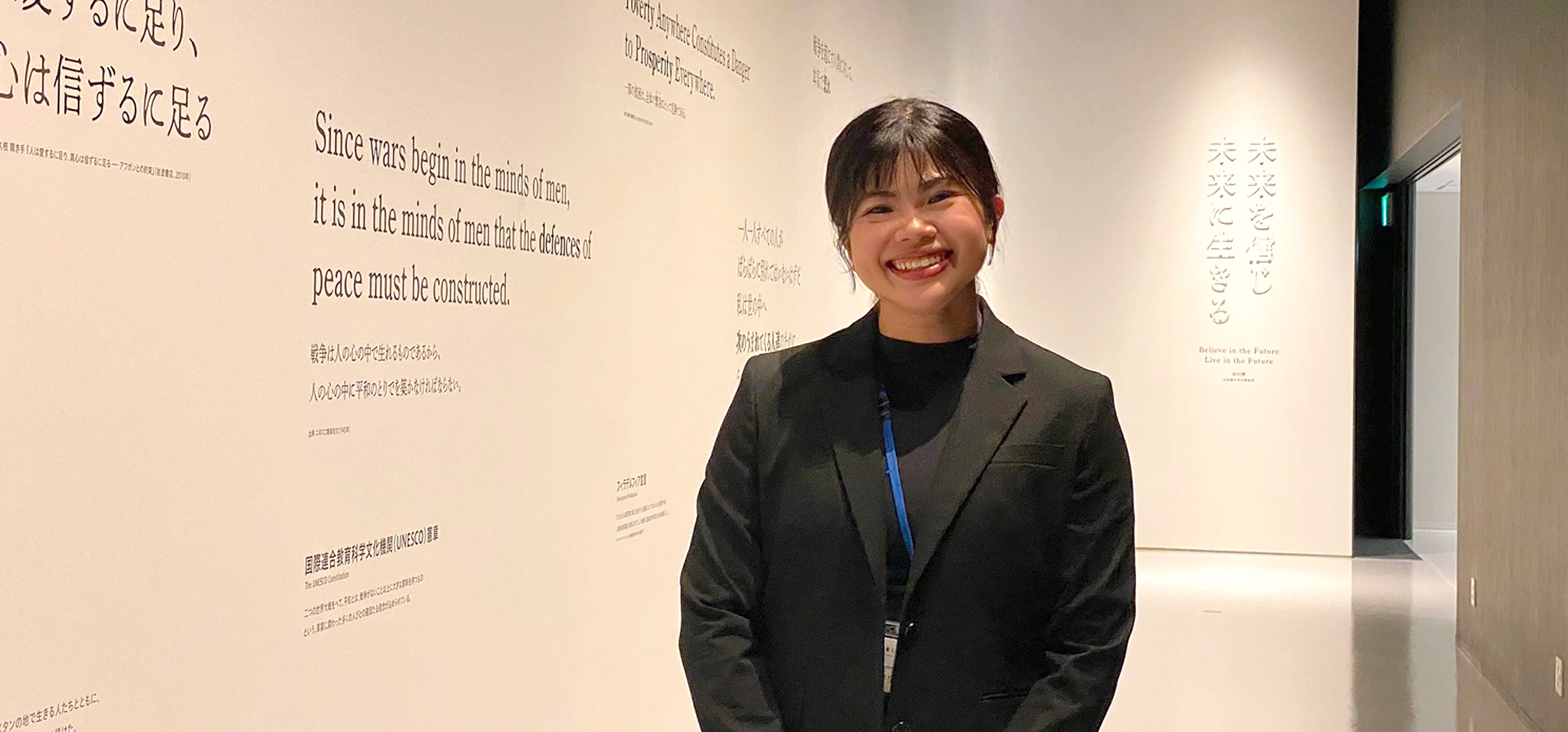
How Studying Global Issues and Engaging with Diverse Communities Expanded My Understanding of Identity and Opened New Pathways toward Research and Education
Abby Liang
Second-year International Relations Major / International Student
We interviewed Abby Liang, student in the College of International Relations, about how her experiences in documentary production, peace education, and community engagement have shaped her academic interests in international adoption, gender, identity, and human rights—as well as her aspirations for graduate study and a future in research and education.
What attracted you to apply to the College of International Relations at Ritsumeikan University, and what motivated you to study Global Studies?
AbbyBefore entering Ritsumeikan University, I worked in documentary and video production in China for several years. Through filming in different regions and meeting people from different social backgrounds, I became interested in the lives and experiences of people whose voices are often less visible.
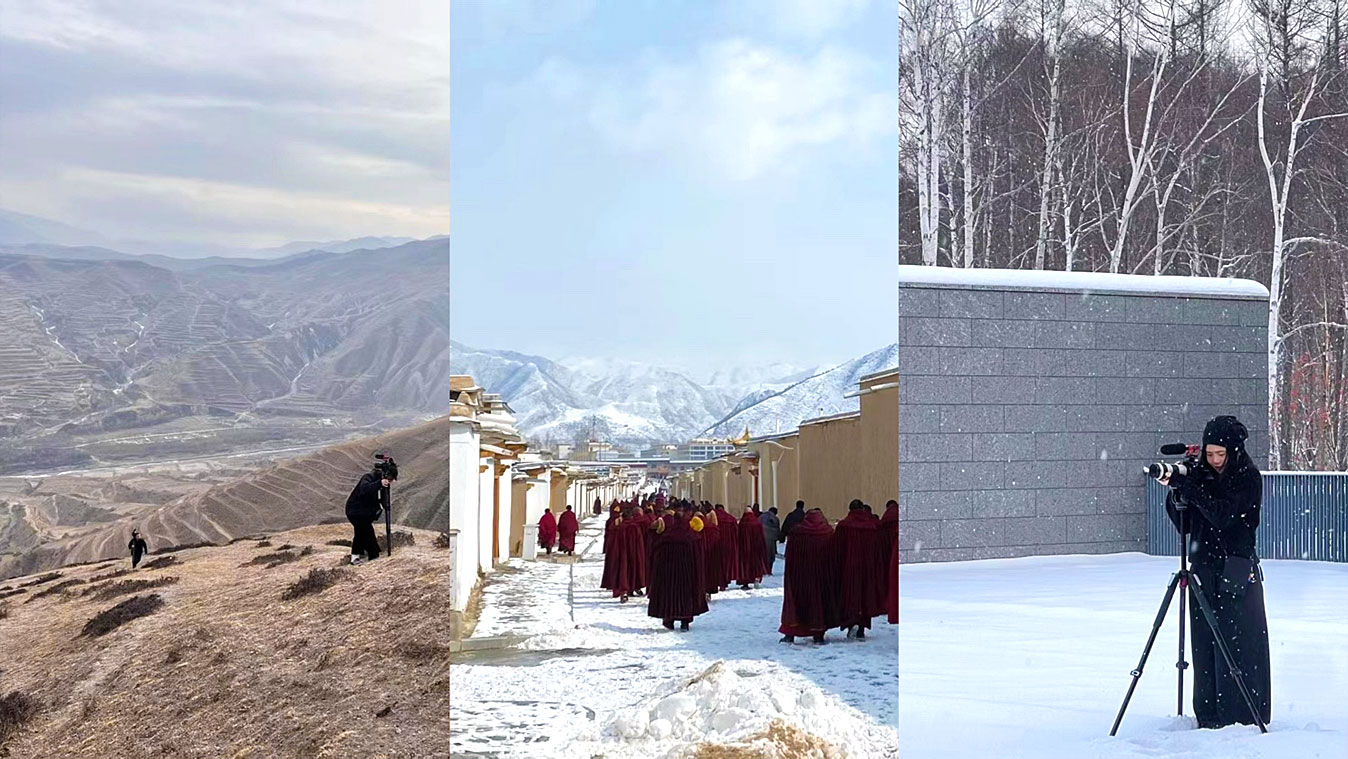
AbbyThese experiences motivated me to return to university and study International Relations. I was attracted to Ritsumeikan because I could study global issues from different perspectives, including human rights, gender, peace studies, and sociology. I also liked that Global Studies did not limit me to just one field. I wanted to move from documenting social issues to understanding them more deeply.
What fields or areas are you interested in studying?
AbbyMy main academic interest is international adoption, particularly involving China and other Asian countries. I am interested in how children’s rights, family relationships, identity, gender, migration, and social policy intersect in adoption. Through this research, I hope to better understand both the experiences of adopted children and families and the broader social and institutional structures that shape ideas of family, childhood, nationality, and identity.
I am also interested in gender studies. Recently, through my own involvement in sport, I have become more interested in women in sports, including women’s participation, sports science, health, and access to training and resources.
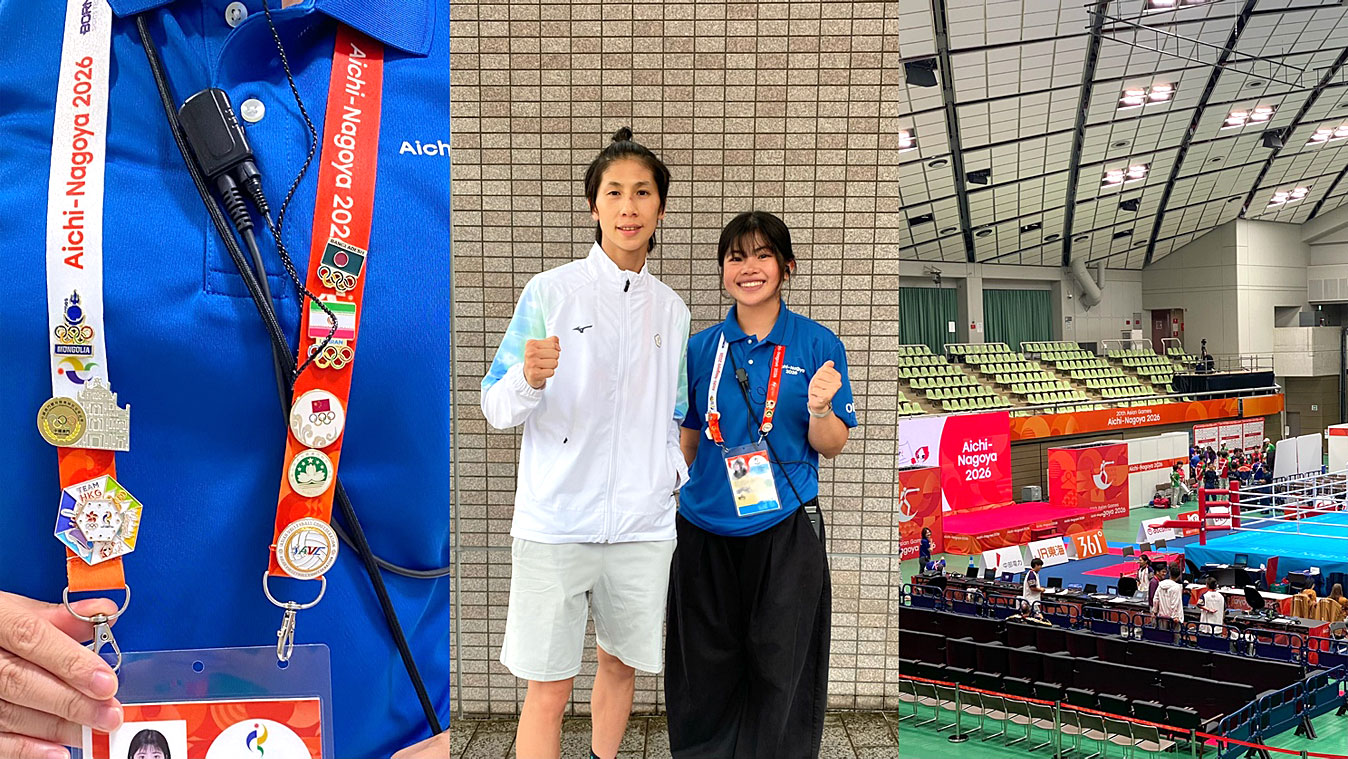 With Taiwanese boxer Lin Yu-ting, and working at the 2026 Asian Games
AbbyThese interests may seem quite different, but I feel that almost everything is connected in some way. For me, university is also a place where I can explore these different interests and gradually find the connections between them.
Please tell us about the activity you found most fulfilling, or the experience that left the strongest impression on you during your student life at Ritsumeikan.
One of the most meaningful experiences for me has been working as a student staff member at the Kyoto Museum for World Peace. I joined in my first year and have guided visitors from Japan and overseas in Japanese, Chinese, Cantonese, and English.
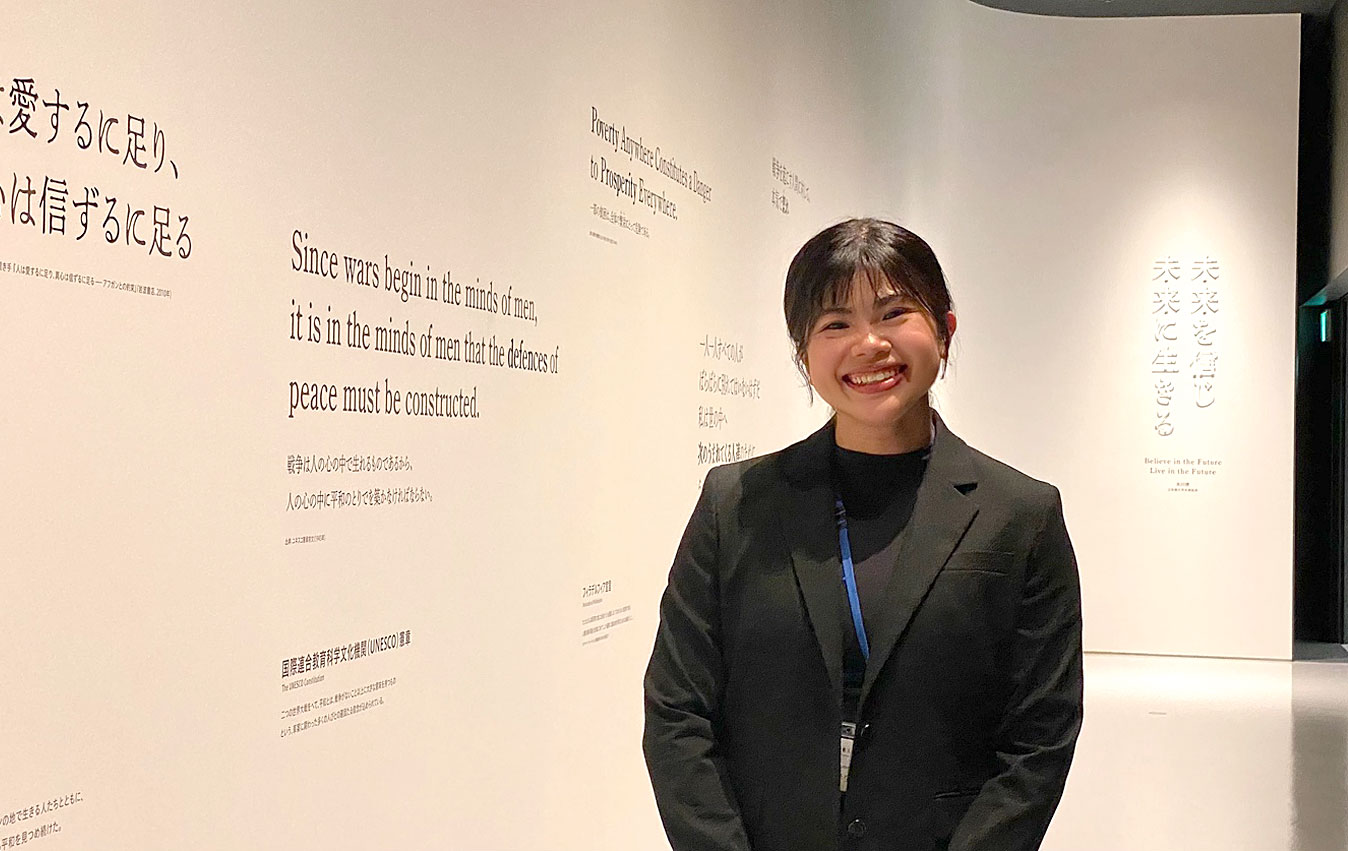
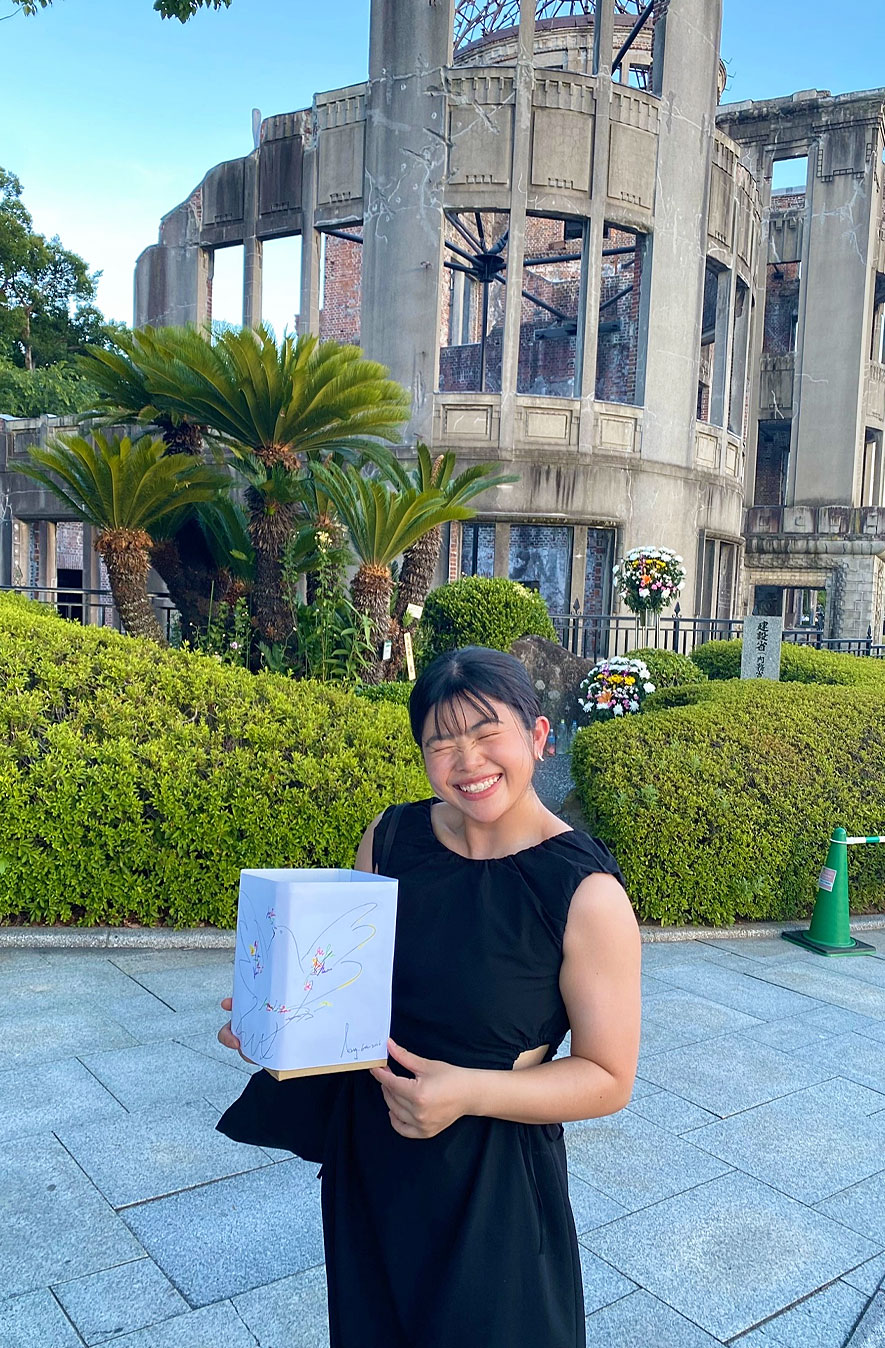
AbbyThrough guiding visitors, supporting exhibitions, and participating in program such as Hiroshima Peace Studies and the Mugonkan study program, I began to understand that peace education is not about giving people the “right” answer. Rather, it is about creating space for dialogue, where people can ask questions and think for themselves.
During the Hiroshima program, one question that stayed with me was, “Whose voice is missing?” It made me think more carefully about whose experiences are remembered, whose are less visible, and how we choose to communicate war, memory, and peace.
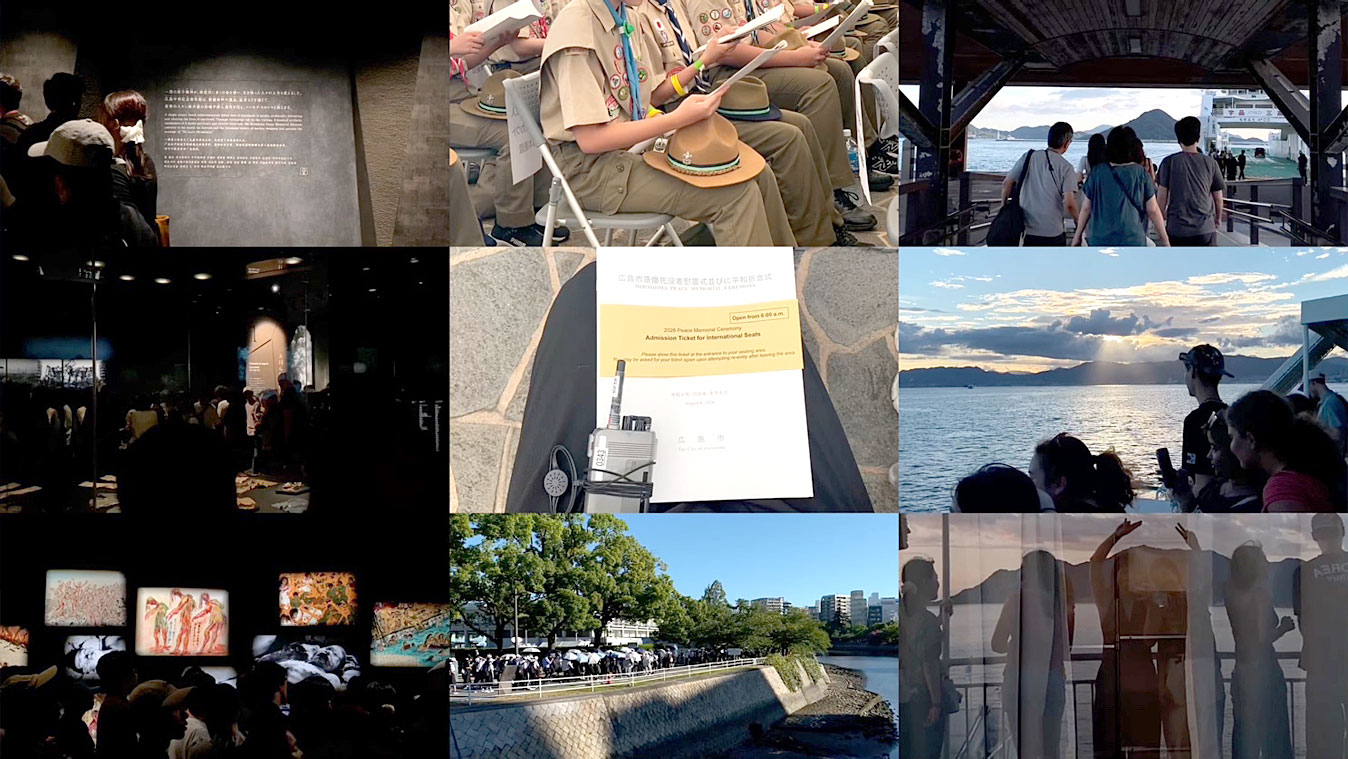
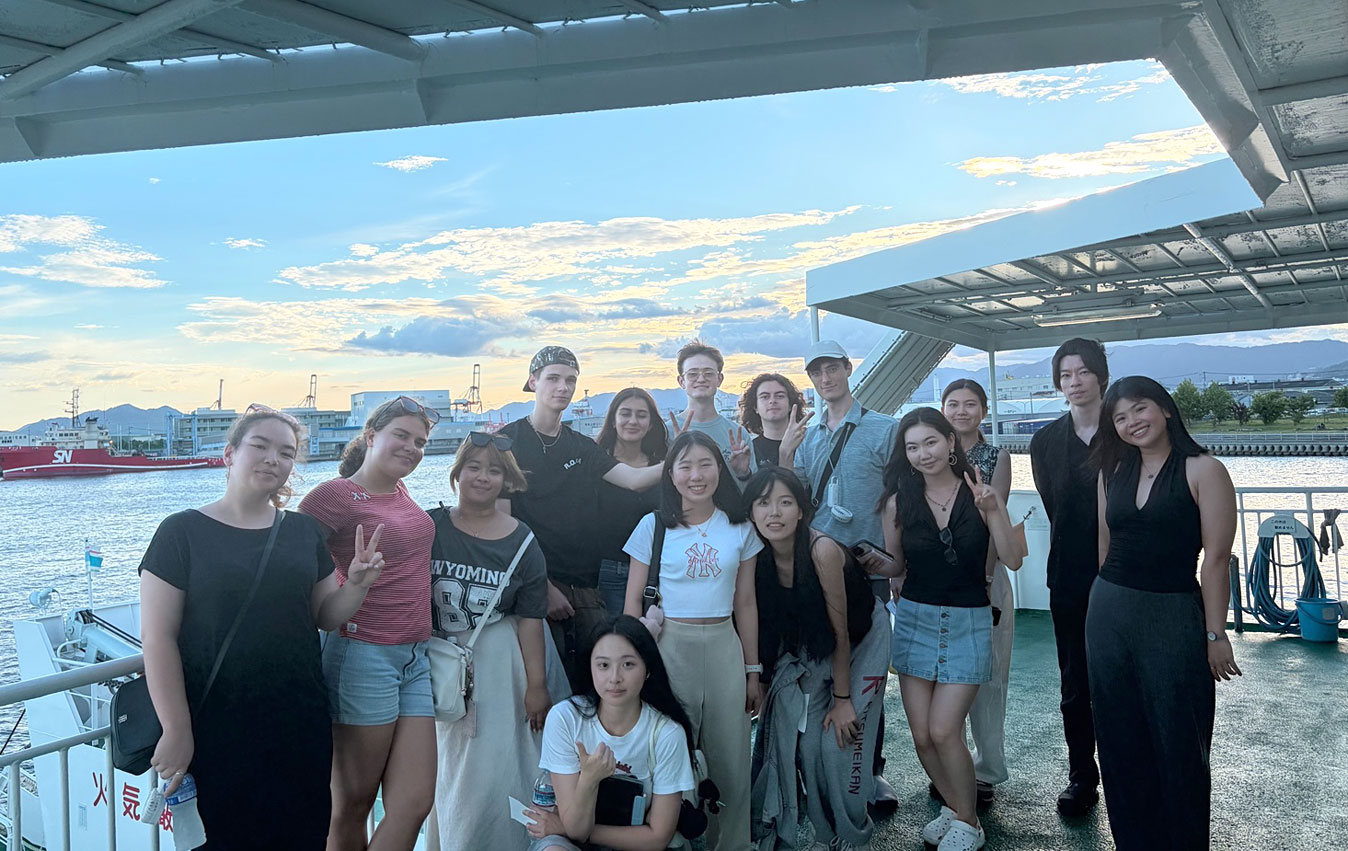
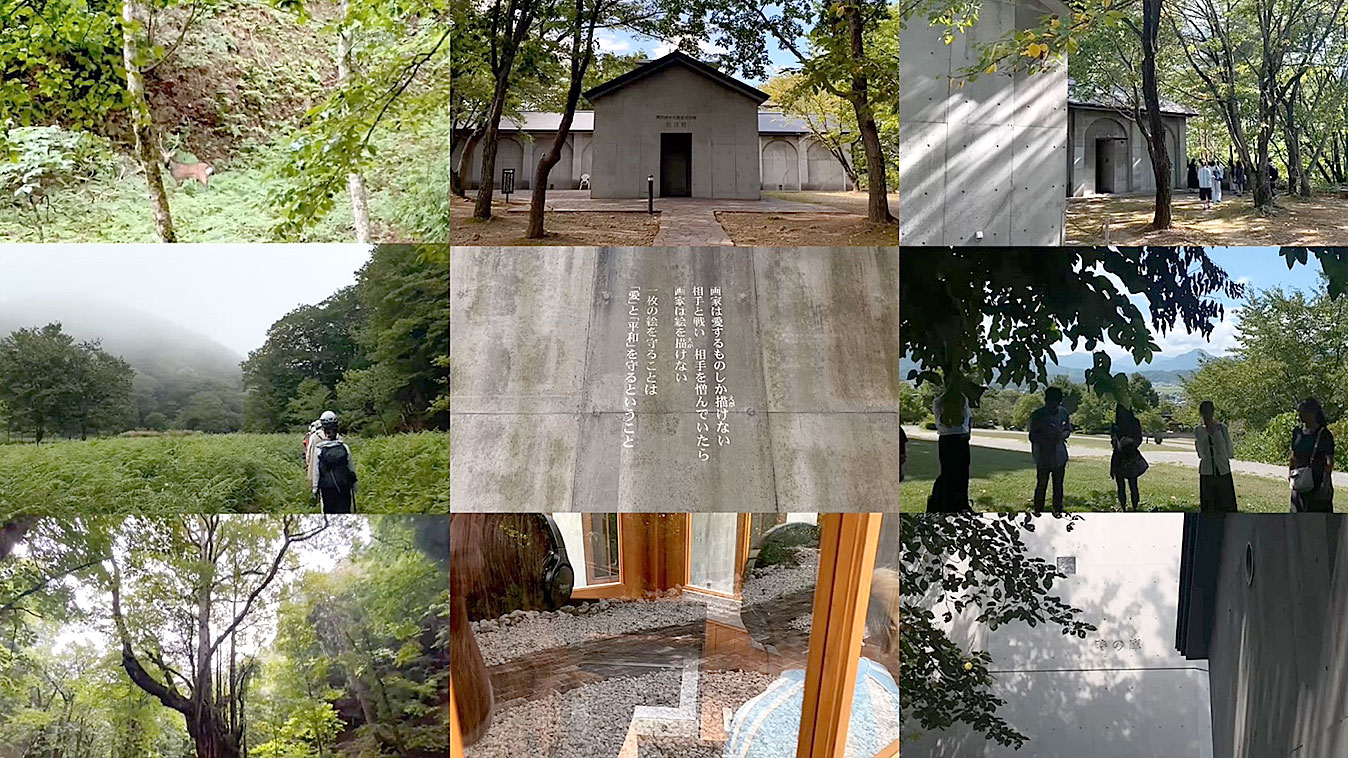
AbbyMy interests have also led me to activities outside the College of International Relations. I am involved in Diversity and Inclusion in Ritsumeikan (DIR), the Young Carers Action Research Project (YCARP), and the Ritsumeikan University Women’s History Study Group. Through these groups, I have met professors and students from different faculties and found new connections between my interests in gender, family, care, and social issues.
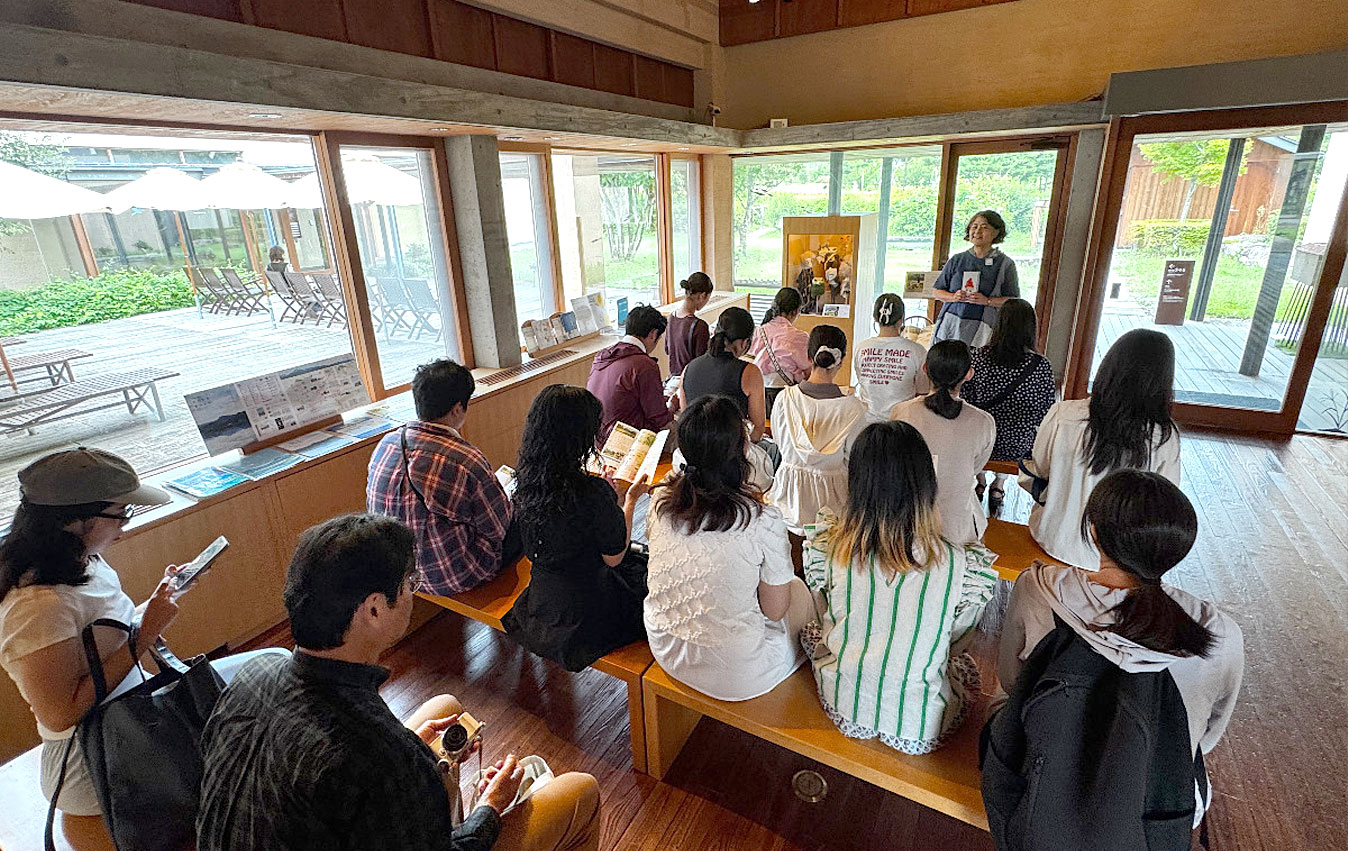 Photo credit:https://www.ritsumei.ac.jp/rwp-museum/about-us/activity/#title-h2-0
AbbyI have also taken part in various outreach programs, including World Week at Ritsumeikan Primary School, where I participated as a guest teacher. These experiences have made me realize that learning at university does not only happen in the classroom. Conversations with people from different fields, generations, and backgrounds have become an important part of my student life.
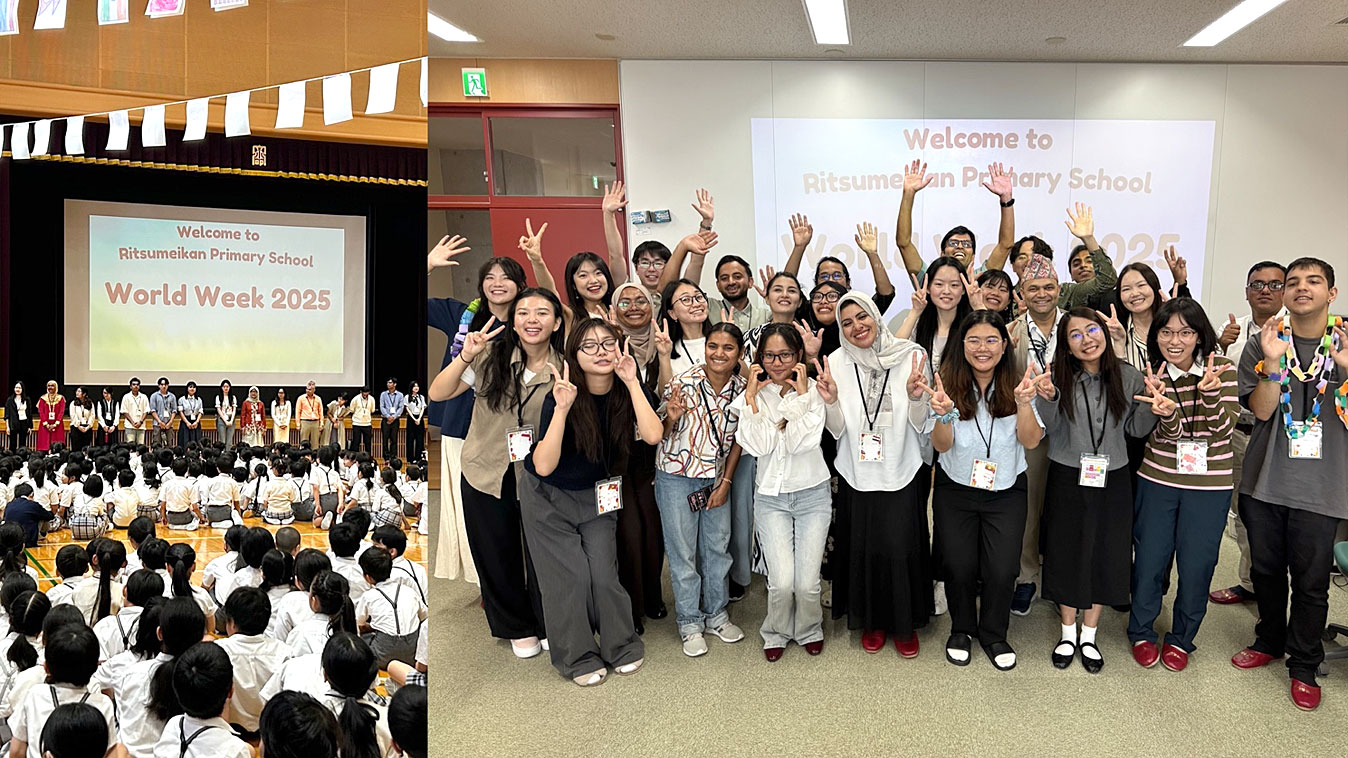 Photo credit:https://www.ritsumei.ac.jp/primary/learning/detail/?post_id=5103
In your student life so far, how do you feel you have grown, what skills have you developed, and what do you think you have learned?
AbbyI think some changes happen slowly over time, while others can begin with a single class, a book, an article, or even one sentence from someone I meet at university.
One of my biggest challenges has been language. I started learning Japanese after coming to Japan, and most of my specialized courses are taught in Japanese. At the same time, I also take courses in English. Since neither Japanese nor English is my first language, learning academic content and expressing my own ideas in both languages has been challenging.
Outside the classroom, activities with YWCA and the Kyoto City International Foundation have given me opportunities to use these languages in real situations and communicate with people from different backgrounds. These experiences have shown me that language learning is a long process, but that steady practice gradually opens new possibilities.
Academically, university has taught me to slow down, ask questions, and consider different perspectives before reaching a conclusion. I have also become more confident in expressing my own views. At the same time, balancing study, part-time work, extracurricular activities, relationships, and exercise has taught me how to manage my time and priorities, which has become an important part of my growth.
What are your plans after graduation? What made you pursue them?
AbbyAfter graduation, I hope to pursue a master’s degree and continue studying international adoption and gender-related issues from a comparative perspective. Through my classes, readings, activities, and conversations at university, I have gradually come to see gender, human rights, migration, and identity as interconnected issues. I hope to explore these connections more deeply through graduate study.
In the longer term, I hope to work in research and education while staying connected to organizations working with children and families, as well as human rights and gender-related issues.
October 2026
MORE INTERVIEWS
-
How Studying Global Issues and Engaging with Diverse Communities Expanded My Understanding of Identity and Opened New Pathways toward Research and Education
Abby Liang
Second-year International Relations Major / International Student2026.10.22
studentlife|academics|ir_major|
-
How a Bangkok International Organization Training Program Expanded My Vision of Working at the United Nations and Opened New Pathways for a Future Global Career
CARROLL Katherine Lorraine
Third-year student, Joint Degree Program (AU-home)2026.9.30
studentlife|academics|jdp|
-
From Peace Studies to Diplomacy: How Experiences at Ritsumeikan Opened Doors to UNITAR and a Future in International Affairs
BRAGGER Lillybel Julitta
Third-year Global Studies Major / International Student from Switzerland2026.9.7
studentlife|academics|studyabroad|gs_major|
-
Taking Every Opportunity: How a Semester in Korea Expanded My Horizons and Inspired My Journey Toward Research and Global Understanding
OZGONUL Ruzgar Cinar
Second-year Global Studies Major / International Student from Türkiye2026.8.26
academics|international|gs_major|
-
Studying in Japan Taught Me to Look Beyond First Impressions and Understand the World from Diverse Perspectives
ARIAS Coralie De Jesus
Second-year Joint Degree Program (AU-home)2026.8.21
academics|jdp|
-
From Theory to Practice: Exploring International Relations through Global Simulation Gaming at Ritsumeikan University
SIHITE Muhammad Elian
Third-year Global Studies Major / International Student from Indonesia2026.7.3
academics|international|gs_major|