TOPICS
最新のTOPICS
2025.12.09


続きを読む
2025年度春セメスターの成績優秀者を対象とした「西園寺記念奨学金」の授与式を行いました
12月9日に2025年度春セメスターの成績優秀者を対象とした「西園寺記念奨学金」の授与式を行いました。
授与式では受賞者を代表して井上 友佳理さん、BATKHUYAG Tamirさんにスピーチをしていただきました。
受賞した皆さんは今後ますます学業に励んでいただき、充実した学生生活を送っていただきたいと思います。
2025.12.08


続きを読む
ゲスト講義実施報告(ジャーナリスト 安藤 優子様)
「特殊講義」(担当教員:山本 忠通 客員教授)の授業にて、テレビで長年ご活躍されているジャーナリストの安藤優子様をゲスト講師としてお招きし、ご講演いただきました。
講義では、これまで安藤様が取材をされてこられた数々の国際問題の現場やメディアでの活動について、写真を交えながらご紹介いただきました。また、女性のテレビメディアや報道部門でのポジションの変遷やキャリア、ジェンダー課題についてもご自身のご経験を交えてお話いただきました。
講義の後半では、受講生からの様々な質問にも1つ1つ丁寧にお答えいただきました。
国際関係学を学ぶ学生達にとって、メディアを舞台に国際問題の現場に関わってこられた専門家から実際のお話を伺うことができた今回の講義は、大変貴重な学びの機会となりました。
2025.12.08
ゲスト講義実施報告(明治学院大学名誉教授・放送大学客員教授 原 武史様)
「現代社会理論」(担当教員:CHEUNG YUKMAN)の授業にて、明治学院大学名誉教授・放送大学客員教授の原武史先生に「天皇制の100年」というテーマでご講演いただきました。

続きを読む
近代日本の天皇制が「政治・空間・メディア」を通じて国民の意識を形成してきた過程を精緻に解明いただきました。「天皇制の100年」は、明治以降の儀礼・鉄道・地方巡幸・戦後民主化を貫く連続性と断絶を描き、天皇の存在が日常空間と社会感情を通じて国家像を構築してきたことを示す総括である、という新たな視点を提供いただきました。
受講者は「天皇制」からの日本戦後歴史と国内・国際の政治状況関係の解読を興味津々に聞き、講義後には活発に質疑応答が行われました。
2025.12.05


続きを読む
ゲスト講義実施報告(名古屋市立大学大学院人間文化研究科 専任講師 山田 翔太様)
「開発政策論」(担当教員:嶋田 晴行)の授業にて、バングラデシュの水問題を専門とする山田先生をお招きし、バングラデシュの概要と水供給にかかわる問題点について講義いただきました。
バングラデシュには豊富な水資源が存在するが、土地の特性からヒ素による汚染が問題となっており、それに対して海外の援助機関が支援をおこなってきました。
今回はその中でもNGO による支援を中心解説いただき、その効果と問題点についての理解を深めることができました。
講義後は現地の学校における水教育の現状などについて活発な質疑応答が行われるとともに、立命館のOB として大学院へ進学する意味についてもお話しいただきました。
2025.12.01
続きを読む
2026年度立命館大学【学部】再入学試験について
2026年度春学期立命館大学再入学試験出願期間が開始しました。
(新たに『留学』の在留資格取得が必要な外国人留学生向け)
再入学を検討されている方は12月12日までに国際関係学部事務室まで必ずご連絡ください。
問い合わせ先:irpost01@st.ritsumei.ac.jp
2025.11.24


続きを読む
ゲスト講義実施報告「言語化・核の支配・抵抗」(デュポール大学 宗教学部教授 宮本 ゆき様)
アメリカ・デュポール大学の教授で倫理学者の宮本ゆき先生を「専門演習」(担当教員:山口 智美)の授業にお招きし、「言語化・核の支配・抵抗」と題したご講義をいただきました。
宮本先生は核問題をご専門にされていますが、本講義ではその枠を超え、「言語化」がなぜ必要なのか、それが私たちのものの見方や理解をどのように形づくっているのかについて、幅広い観点から考察がなされました。
同時に言語化が差別や支配にもつながりうる側面があることや、認識や名付けの非対称性についても論じられました。
被ばく者差別やセクシュアル・ハラスメントを事例に、現象を表す言葉がないことで被害に気づけなかったり、周囲に伝えられなかったりする状況があることが示されました。一方で、知識は状況化されたものであり、誰が、どの立場から言語を用いるかによって、意味や価値づけが決められてしまう可能性もあることも指摘されました。言語による抵抗だけでなく、「言語化」に抵抗すること、言語以外のアートや身体表現などの方法もまた重要な抵抗であるということも示されました。
抽象的で高度な内容も含まれる講義でしたが、宮本先生は具体的な事例を使いながら、とても丁寧にご説明くださいました。学生たちは真剣に宮本先生のご講義を聞き、理解を深めるために質問も活発に行っていました。授業後のコメントからは、学生たちがそれぞれの興味関心や卒論テーマなどと宮本先生のご講義をつなげて考察を深めていることが伺えました。
来年度のデュポール大学の学生さんたちと山口ゼミとの交流の可能性についても話題が展開し、今後のゼミの展開も見据える貴重な機会となりました。
2025.11.20


続きを読む
ゲスト講義実施報告(元世界銀行・IMF開発委員会幹事 小寺 清様)
「国際連合入門」(担当教員:織田靖子先生)、「Introduction to the United Nations」(担当教員:石川 幸子先生)の授業にて、元財務省官僚で世界銀行・IMFの開発委員会で幹事の経験を持つ小寺 清様にお越し頂き、講義を行っていただきました。
「国際連合入門」では「世界の貧しい人々の生活向上と地球大の諸課題への対応をどう進めるのか? 世界銀行グループの仕事」というテーマの下、開発途上国の現状、小寺氏自身がどのように国際金融・開発の分野でのキャリアを積んでいったのか、現場での具体的な仕事内容、および今後の課題等についてお話しいただきました。
「Introduction to the United Nations」では、広く開発銀行の役割、課題等についてお話しいただきました。現在、国際社会が抱えている開発課題について説明いただき、MDGs及びSDGsの取り組みを経ても世界人口の10%が貧困ライン以下の生活を強いられていること、紛争影響地域の増加、並びに地球温暖化の問題が開発アジェンダの中でも最優先になっている現実を再確認しました。
そのような地球的課題に対応することが急務であるにも拘らず、政府開発援助(ODA)の比率は年々減少しているという現実に直面している中、IFC, MIGA,EBRD,IDB等がプライベートセクターへの投資を行っている他、アフリカ開銀やアジア開銀もプライベート・キャピタルを動員する動きが活発化しているとの取り組みが紹介されました。
開発機関としての開発銀行の役割は、1)金融機関として資本市場において民間資金の活性化を図る;2)テーマ別よりも各国の状況に合わせたオペレーション;3)ナレッジバンク機能;4)会議開催の招集力の4つに分類されます。
国連との関係では、世銀グループは、専門機関(specialized agency)に分類されます。
講義の最後は、小寺氏ご自身が、世銀の中央アジアのカントリー・ディレクターとして勤務した経験を中心に、世銀グループでの勤務についてお話しいただきました。
カントリー・ディレクターとして気を付けていた点として、様々な専門性を持ったスタッフをまとめ上げるチームビルディング、国の首脳たちとの交流、交渉、彼らの声に耳を傾けること、任務遂行と説明責任を果たすこと等が挙げられました。
講義後には、様々な質問を学生たちが投げかけられ、普段、あまり馴染みのない世銀グループの話が身近に感じられるようになった講義となりました。
2025.11.17


続きを読む
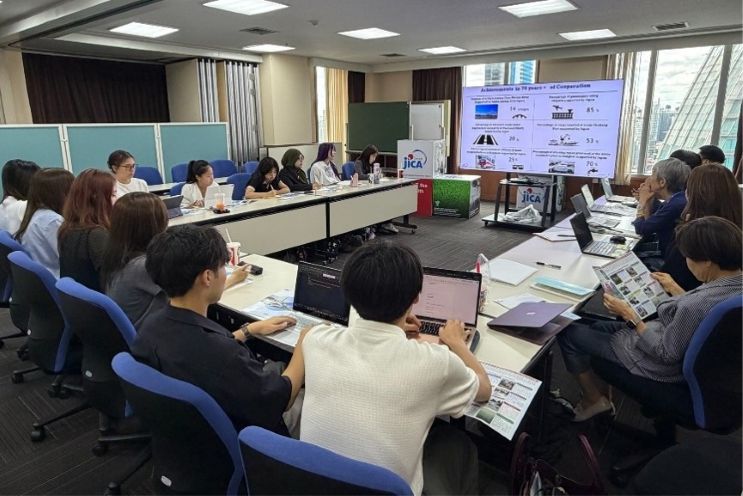
ゲスト講義実施報告「アフガニスタン支援:20年間の成果と今後の課題」(元 JICA国際協力機構南アジア部長 中原 正孝様)
「特殊講義 -国際平和活動:国連と日本-アフガニスタンでの国連の活動を事例に- 」(担当教員:山本 忠通 客員教授)の授業にて、元 JICA国際協力機構 南アジア部長の中原 正孝様をゲスト講師としてお招きし、「アフガニスタン支援:20年間の成果と今後の課題」というテーマでご講演いただきました。
中原様には昨年もご講義いただいており、2年連続でのご講演となります。
講義では「アフガニスタン支援」をテーマに、これまでの経緯や歴史を踏まえた上で、日本の国際協力の具体的な取り組みや課題について、ご自身のご経験を交えてお話いただきました。
国際関係学を学ぶ学生達にとって、専門家の方から実際のお話を伺うことができた今回の講義は、大変貴重な学びの機会となりました。
2025.11.17


続きを読む
Fieldwork in Ulaanbaatar, Mongolia (Professor Hiroaki Richard Watanabe’s Seminar)
Four students of my undergraduate Advanced Seminar (30 students in total) participated in fieldwork in Ulaanbaatar, Mongolia, between September 1 and 5. In the Zemi Research Convention, they gave a presentation titled “Small-state hedging and economic constraints: The case of Mongolia’s “Third Neighbor Policy”.
My students conducted interviews with government officials and visited the following venues, among others.
Central Bank of Mongolia
Investment and Trade Agency of Mongolia
Genghis Khan National Museum
Sükhbaatar Square
At the Central Bank of Mongolia
At the Central Bank of Mongolia - Can you tell three famous historical figures in the painting behind us?
In the interview with central bankers, my students asked several questions, including those related to the bank’s priorities in its monetary policy and its contribution to promoting Mongolia’s economic diversification. In the interview with the officials of the Investment and Trade Agency, my students asked several questions, including those related to investment diversification and the “third neighbor” policy aimed at reducing Mongolia’s economic and energy dependence on China and Russia.
At the Investment and Trade Agency of Mongolia
In addition to conducting interviews with government officials, we visited the Genghis Khan National Museum, which is an excellent venue for understanding the history of the Mongol Empire and its aftermath. We also visited other landmarks in Ulaanbaatar, including Sükhbaatar Square -its main central square.
At the Genghis Khan National Museum
At the Sükhbaatar Square, when the Governor-General of Australia was visiting Mongolia
Through this fieldwork, my students learned how the Mongolian government had implemented its foreign economic policy to address its external challenges. Building upon this valuable experience, they are ready to enhance the quality of their individual and group research!
“Voices of participating students”
“During the research trip, I learned how to organize and conduct interviews in a professional setting. From preparing focused questions to listening carefully and adjusting the flow of conversation on the spot. Working as a team also taught me how to divide responsibilities, support each other, and synthesize our findings afterward. At the same time, hearing directly from officials gave me a much clearer and more practical picture of Mongolia’s economic challenges, especially how dependence on resources and external partners shapes decision-making. This combination of hands-on skills and real-world insights made the learning experience much more concrete than just studying theory in class.”
“This research has enabled me to deeply understand the geo-economic logic of Mongolia's efforts to develop in a constrained environment. Through this research, I have realized that the study of international relations must be combined with economic policies and institutional realities. I plan to further expand this interdisciplinary perspective in my future studies. I will use Mongolia's "third neighbor" strategy and debt management practices as examples to deeply study the autonomy strategies and risks of small countries in the competition among major powers, while also continuously monitoring the cooperation dynamics and financing model evolution of countries along China’s "Belt and Road" route.”
“Through this activity, I have learned that Mongolia, strategically located between China and Russia, remains highly dependent on the mining sector, yet the government is actively pursuing economic diversification and digital transformation. The government provides strong institutional support for investors through tax incentives, stability certificates, and special policies in free zones, alongside ongoing infrastructure development in railways, highways, and airports. In addition, initiatives such as the E-Mongolia platform highlight its digital governance agenda. Overall, Mongolia demonstrates significant investment potential in mining, renewable energy, agriculture, logistics, and tourism, making it an increasingly attractive destination for foreign investors.”
“During my field research trip to Ulaanbaatar and my interviews with the Central Bank of Mongolia and the Investment and Trade Agency, I not only gained substantial knowledge about Mongolia's current economic strategy but also accumulated practical research experience. I also learned that large projects require meticulous coordination among various institutions (Investment Bureau ↔ Finance Department ↔ Mongolian Bank) to manage finances and risk exposure. At the same time, the actual obstacles faced by third-country foreign direct investment - legal uncertainty, transportation/logistics restrictions, and infrastructure gaps - remain important constraints, and areas that need to be improved through relatively rapid policy adjustments (clear regulations, improved customs procedures, and the formulation of targeted incentives).”