5. CONTEXT LEADING UP THE AY 2026 PLENARY COUNCIL
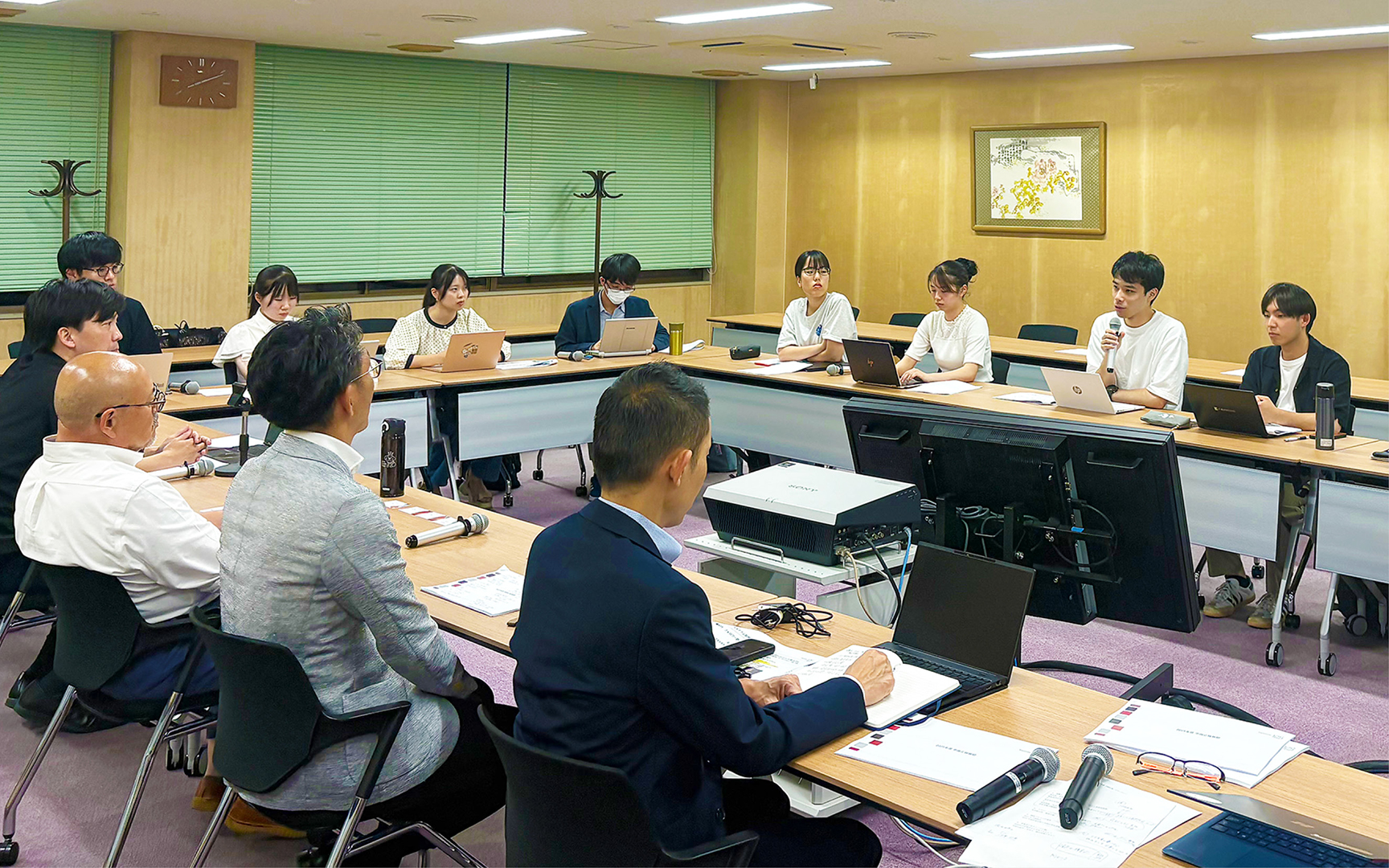
The AY 2026 Plenary Council builds on the discussions with undergraduate and graduate students and initiatives undertaken since AY 2022, and serves as a milestone forum for confirming the progress achieved across the University and identifying issues that should remain under examination going forward.
At this stage, the point is not to unilaterally present the University’s approach or policy direction. Rather, it is important to reaffirm—together with undergraduate and graduate students—the shared achievements and issues that remain under discussion, based on the Student Union’s Academy co-creation activities and the Graduate Student Council’s efforts to gather feedback from graduate students and propose improvements, as well as other issues shared through five-party discussion meetings, discussions focused on specific topics, campus discussion meetings, and other forums.
In addition, enhancing the substantive quality of Academy co-creation requires more than simply providing opportunities for dialogue. It is also necessary to show how the matters discussed have been organized, how they have influenced policies and improvements, and what challenges remain to be addressed. The AY 2026 Plenary Council is an opportunity for the University as a whole to reaffirm this process of dialogue and collaboration for reflection in improvements and reforms in education, research, student life, student-led extracurricular activities, and other areas during the latter half of the R2030 period.
This chapter outlined the process of dialogue and collaboration with undergraduate and graduate students that has been ongoing since AY 2022, the Student Union’s Academy co-creation activities, the Graduate Student Council’s efforts to consolidate feedback from graduate students and propose improvements, and the University’s approach to Academy co-creation in response to these initiatives.
Next, Chapter 3 reviews the major initiatives undertaken by Ritsumeikan University from AY 2022 through AY 2025, including those that have taken shape through this ongoing process of dialogue and collaboration. In addition, Chapter 4 presents issues requiring further discussion with undergraduate and graduate students as the University enters the latter half of the R2030 period. These are provided as topics to be addressed through ongoing dialogue with undergraduate and graduate students, in line with the concept of Academy co-creation, to identify the challenges faced and consider the specifics of implementation.
—Progress in the First Half of R2030 Toward Enriching Education, Research, and Student Life—
Contents
-
Chapter Ⅰ
Significance and Positioning of the AY 2026 Plenary Council
To consider the future direction of Ritsumeikan University
- 1. Changes in the social and higher education environment surrounding universities
- 2. What changes in the social and university environment have asked about undergraduate and graduate student learning
- 3. The types of undergraduate and graduate students Ritsumeikan seeks to produce in light of changes in the social and university environment
- 4. As we enter the second half of R2030
- 5. The Role of the AY 2026 Plenary Council
- 6. List of key themes and annual schedule for AY 2026
-
Chapter ⅡThe Plenary Council as a Process of Academy Co-creation
—Building on Discussions Since AY 2022—
- 1. Progress Made in Academy Co-creation and the Expanding Dialogue
- 2. Division of Roles and Coordination Between the Plenary Council and Plenary Council Representatives’ Meeting
- 3. Specific Examples of Advancements in Academy Co-creation
- 4. Less Visible Issues and the Expected Role of Five-Party Discussion Meetings
- 5. Context Leading Up the AY 2026 Plenary Council
-
Chapter ⅢRitsumeikan University’s Initiatives from AY 2022 to AY 2025
—Progress in the First Half of R2030 Toward Enriching Education, Research, and Student Life—
- 1. Development of the Learning Environment and Academic Reform
- 2. Advancing Research and Supporting Graduate Students and Early-Career Researchers
- 3. Expansion of International Learning and Multicultural Collaborative Learning
- 4. Enhancing Student Support Services to Support Student Life and Extracurricular Activities
- 5. Career Development Support to Foster Independent Career Choices
- 6. Developing the Infrastructure to Support the Visualization of Learning and Growth
-
7. Campus Development and Initiatives to Support Education, Research, and Student Life
- (1) Campus Development Centered on Social Co-creation (OIC)
- (2) Initiatives Linking the Humanities and Social Sciences with Creativity (Kinugasa)
- (3) Initiatives Supporting Cutting-Edge Research and Science and Engineering Education (BKC)
- (4) Development of a Common Infrastructure to Support Student Life
-
Chapter ⅣKey Educational, Research, and Student Life Initiatives for the Second Half of R2030
Building on Dialogue with Undergraduate and Graduate Students to Enrich the Present While Envisioning Future Developments
-
1. Directions for Academic Reform in the Second Half of R2030
- (1) Articulating Integrated Education and Connecting Inquiry to Research
- (2) Reform of University-Wide Education and the Development of Learning that Connects with Society
- (3) Internationalization of Education and the Development of Multicultural Collaborative Learning
- (4) Educational DX and the Visualization of Learning
- 2. Enhancing Graduate Education, the Research Environment, and Career Support
- 3. Creating an Environment That Supports Student Life, Extracurricular Activities, and International Learning
- 4. Connecting Experiences to Meaning-Making and Career Development
-
1. Directions for Academic Reform in the Second Half of R2030
-
Chapter ⅤFinancial Management during the R2030 Period and Ritsumeikan University’s Student Fees and Finance Policy for AY 2027 and Beyond
- 1. Financial Structure of Private Universities and Ritsumeikan University’s Basic Approach
- 2. Financial Management from R2020 Through the First Half of R2030 and Achievements to Date
- 3. Financial Management in the Second Half of R2030
- 4. Student-Fee Policy for AY 2027 and Beyond and AY 2027 Tuition and Other Fees
- ConclusionToward the open session of the Plenary Council to Be Held in October 2026