3. Creating an Environment That Supports Student Life, Extracurricular Activities, and International Learning
The learning and growth of undergraduate and graduate students are shaped not only through classes and research, but also through a wide range of experiences, including student-led extracurricular activities, international exchange, collaboration with local communities and society, peer support, entrepreneurship, and social co-creation. As discussed in Chapter 3, during the first half of R2030, the university expanded systems and opportunities related to student support, student-led extracurricular activities, international learning, and career development support. At the same time, challenges remain regarding which students become aware of these opportunities, at what stage they learn about them, how they participate in them, and how they connect them to their own learning.
In the second half of R2030, it will be important to create an environment in which students are exposed to diverse experiences from the early stages of university life and are able to take on challenges based on their own interests and awareness of social issues. At the same time, it is essential to establish a foundation that allows students to learn, engage in activities, and experience failure and trial and error with confidence and security. This section outlines directions for the second half of R2030 from the perspectives of helping students develop a clear outlook on university life from the time of enrollment, creating a foundation for student life that enables them to take on challenges with confidence, and strengthening the connections among student-led extracurricular activities, social co-creation, and international learning.
(1) Supporting Students in Envisioning University Life from the Time of Enrollment
The initial stage after enrollment is a critical period during which students form the foundation for how they perceive university life and how they approach their studies and activities. Until now, support provided during the initial stage after enrollment has focused primarily on “orientation” and “adjustment,” helping students understand university systems and course registration procedures. Going forward, however, it is important to position this stage not only as a period of adjustment but also as a starting point for students to begin considering what they want to experience at university, how they want to learn, and how those experiences and learning opportunities may connect to their future.
To this end, the university will consider introducing sessions during new student orientation and first-year education programs that encourage students to think about how university learning, student-led extracurricular activities, encounters with diverse people, collaboration with local communities and society, and study abroad and international exchange opportunities can be connected to their future way of life and roles in society. At the same time, consideration may be given to providing opportunities for simple self-reflection through which students can articulate their interests and values and organize their thoughts about what they would like to pursue during their university years.
The university will also review how information is provided so that students can gain a comprehensive understanding of the diverse growth opportunities available on campus, including curricular education, co-curricular programs, student-led extracurricular activities, study abroad, peer support, entrepreneurship, and social co-creation. Rather than introducing a limited number of new special programs, this initiative seeks to make use of existing first-year opportunities and broaden the focus of initial enrollment support from simply helping students “adjust to university life” to helping them “begin to envision their own university experience.”
(2) A Foundation for Learning and Taking on Challenges with Confidence
For students to engage proactively in learning and take on challenges through student-led extracurricular activities, international learning opportunities, social co-creation, and other endeavors, a foundation for student life that provides psychological and day-to-day security is essential. In addition to ensuring that students can access the support they need when facing difficulties or concerns, it is important to create an environment in which students can share challenges and anxieties at an early stage through their everyday relationships with fellow students, faculty, and staff.
To this end, the university will review whether existing support resources, including student counseling services, student support offices, and community spaces, are connected in ways that are clear and accessible to students, and will develop systems that make it easier for students to find the information and support services they need. At the same time, it is important to move beyond support measures aimed only at specific groups of students and create a campus environment in which all students can approach their studies and activities with a sense of security.
This represents a shift in perspective from simply “providing support when problems arise” to creating an environment in which students “can take on challenges without fear of failure because they feel secure and supported.” As noted in Chapter 3, systems and opportunities for support have expanded. Going forward, however, an important issue will be how to establish points of connection with students who are in the early stages of university life or who may find it difficult to express their concerns and seek help on their own.
(3) Connecting Student-Led Extracurricular Activities, Social Co-Creation, and International Learning
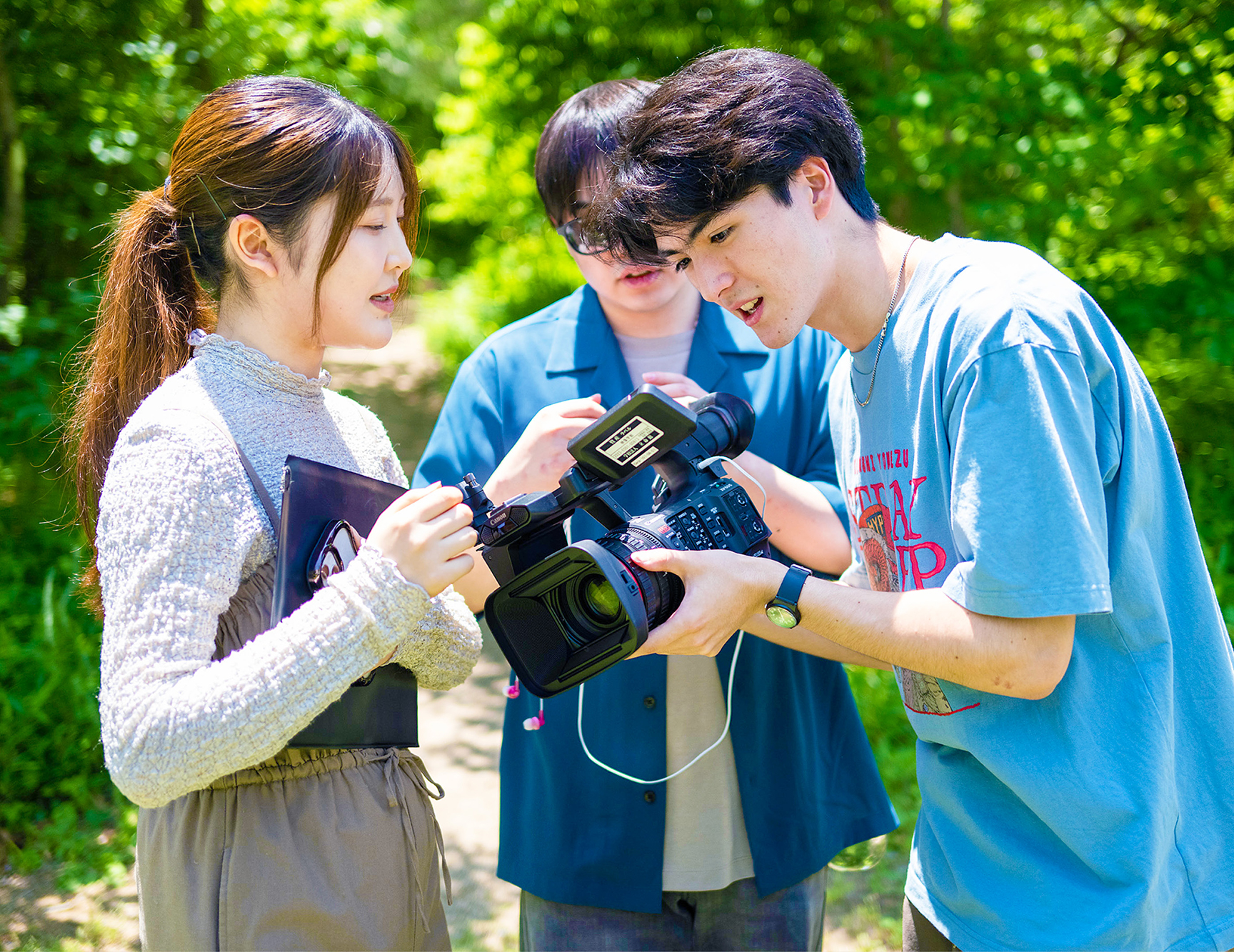
Experiences in student life extend beyond ongoing membership-based activities such as clubs, circles, and peer support programs to include entrepreneurship, social co-creation, project-based learning, collaboration with local communities, study abroad, and multicultural collaborative learning. In the second half of R2030, it will be important not merely to present these as separate opportunities, but to create an environment in which students can move among them and build upon their experiences according to their interests and stages of growth.
With regard to student-led extracurricular activities, the university will consider how to expand opportunities for a greater number of students to encounter, participate in, and take on challenges based on their own interests, while continuing to value the traditions of autonomy and continuity that clubs and circles have cultivated. In doing so, one issue that we would like to consider together with undergraduate and graduate students is how to connect the values of autonomy, continuity, and community building that have traditionally characterized extracurricular activities with the growing range of social co-creation and project-based activities. By connecting entrepreneurship and social co-creation initiatives such as RIMIX and SEEDS, collaboration with local communities and companies, graduate student research activities, and independent activities undertaken by undergraduate students, the range of experiences available to students can be expanded even further.
In the second half of R2030, student-led extracurricular activities must be redefined not only as spaces that foster student initiative and community building, but also as learning environments connected to curricular learning, research, collaboration with local communities and society, and international experiences. Under the Fourth Priority Club Enhancement Policy, priority clubs are expected to achieve a high level of balance between curricular and extracurricular activities, build organizations that both support others and are supported by others, contribute to local communities and society, promote integrated education, advance internationalization, maintain autonomous management and integrity, and return their achievements and knowledge to society and the Ritsumeikan Academy. These perspectives provide important guidance not only for priority clubs but also for reconsidering student-led extracurricular activities as opportunities for learning and growth more broadly.
In the field of sports, consideration is also being given to a HIGH-PERFORMANCE CORE System (tentative name), under which clubs with particularly high growth potential would be selected through an application and review process and provided with focused support. This system is not intended solely to improve competitive performance. Rather, it will be developed through future discussions as a new form of support aimed at further enhancing the educational and social value of extracurricular activities, encompassing student growth, club governance, collaboration with research, the promotion of diversity, and the dissemination of activity outcomes.
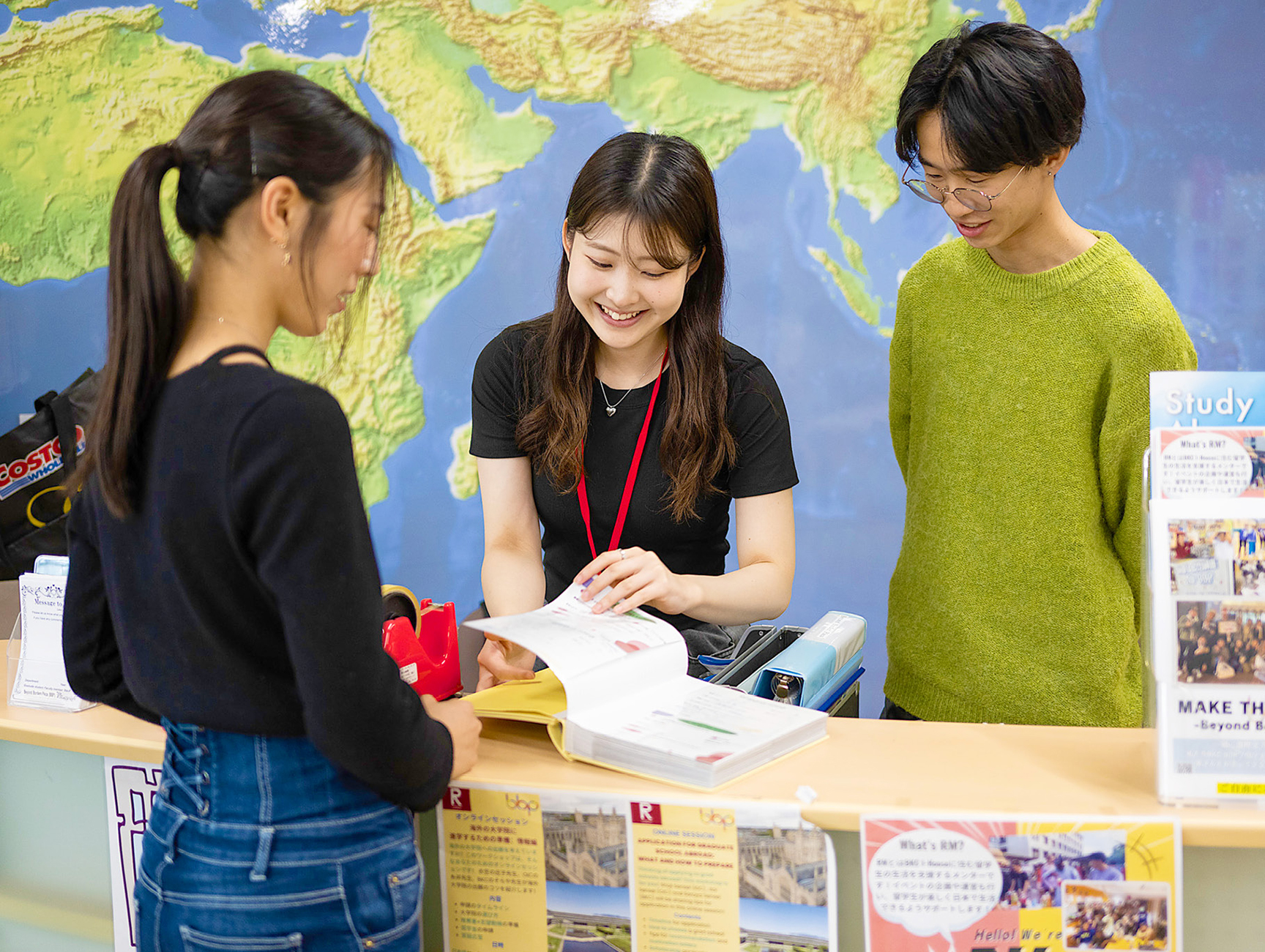
International learning should likewise not be viewed as something only for students who participate in study abroad programs. It should be understood as an opportunity for students to engage regularly with different cultures and values through multicultural collaborative learning on campus, interactions through the BBP, international dormitories, and internationally collaborative project-based learning (PBL). Going forward, the university will work to connect student-led extracurricular activities, social co-creation, and international learning, creating an environment in which students can take their first steps into a wide range of experiences based on their own interests.
Contents
-
Chapter Ⅰ
Significance and Positioning of the AY 2026 Plenary Council
To consider the future direction of Ritsumeikan University
- 1. Changes in the social and higher education environment surrounding universities
- 2. What changes in the social and university environment have asked about undergraduate and graduate student learning
- 3. The types of undergraduate and graduate students Ritsumeikan seeks to produce in light of changes in the social and university environment
- 4. As we enter the second half of R2030
- 5. The Role of the AY 2026 Plenary Council
- 6. List of key themes and annual schedule for AY 2026
-
Chapter ⅡThe Plenary Council as a Process of Academy Co-creation
—Building on Discussions Since AY 2022—
- 1. Progress Made in Academy Co-creation and the Expanding Dialogue
- 2. Division of Roles and Coordination Between the Plenary Council and Plenary Council Representatives’ Meeting
- 3. Specific Examples of Advancements in Academy Co-creation
- 4. Less Visible Issues and the Expected Role of Five-Party Discussion Meetings
- 5. Context Leading Up the AY 2026 Plenary Council
-
Chapter ⅢRitsumeikan University’s Initiatives from AY 2022 to AY 2025
—Progress in the First Half of R2030 Toward Enriching Education, Research, and Student Life—
- 1. Development of the Learning Environment and Academic Reform
- 2. Advancing Research and Supporting Graduate Students and Early-Career Researchers
- 3. Expansion of International Learning and Multicultural Collaborative Learning
- 4. Enhancing Student Support Services to Support Student Life and Extracurricular Activities
- 5. Career Development Support to Foster Independent Career Choices
- 6. Developing the Infrastructure to Support the Visualization of Learning and Growth
-
7. Campus Development and Initiatives to Support Education, Research, and Student Life
- (1) Campus Development Centered on Social Co-creation (OIC)
- (2) Initiatives Linking the Humanities and Social Sciences with Creativity (Kinugasa)
- (3) Initiatives Supporting Cutting-Edge Research and Science and Engineering Education (BKC)
- (4) Development of a Common Infrastructure to Support Student Life
-
Chapter ⅣKey Educational, Research, and Student Life Initiatives for the Second Half of R2030
Building on Dialogue with Undergraduate and Graduate Students to Enrich the Present While Envisioning Future Developments
-
1. Directions for Academic Reform in the Second Half of R2030
- (1) Articulating Integrated Education and Connecting Inquiry to Research
- (2) Reform of University-Wide Education and the Development of Learning that Connects with Society
- (3) Internationalization of Education and the Development of Multicultural Collaborative Learning
- (4) Educational DX and the Visualization of Learning
- 2. Enhancing Graduate Education, the Research Environment, and Career Support
- 3. Creating an Environment That Supports Student Life, Extracurricular Activities, and International Learning
- 4. Connecting Experiences to Meaning-Making and Career Development
-
1. Directions for Academic Reform in the Second Half of R2030
-
Chapter ⅤFinancial Management during the R2030 Period and Ritsumeikan University’s Student Fees and Finance Policy for AY 2027 and Beyond
- 1. Financial Structure of Private Universities and Ritsumeikan University’s Basic Approach
- 2. Financial Management from R2020 Through the First Half of R2030 and Achievements to Date
- 3. Financial Management in the Second Half of R2030
- 4. Student-Fee Policy for AY 2027 and Beyond and AY 2027 Tuition and Other Fees
- ConclusionToward the open session of the Plenary Council to Be Held in October 2026