7. Campus Development and Initiatives to Support Education, Research, and Student Life
During the first half of the R2030 Challenge Design, spanning AY 2022 through AY 2025, we have been advancing campus development initiatives at each campus in conjunction with academic reform, the advancement of research, social co-creation, and the enrichment of student life. The campus is more than just a place to attend classes; it is also the foundation where undergraduate and graduate students conduct research, interact with others, engage in extracurricular activities and community outreach, and go about their daily lives.
This section outlines the distinctive facilities at the OIC, Kinugasa, and BKC campuses, as well as the common infrastructure that supports student life. It should be noted that from AY 2024 through AY 2025, the circumstances under which campus development and facility and equipment upgrades are carried out have changed significantly due to rising material and labor costs, as well as longer construction and delivery times. Despite this high level of uncertainty, we have continued to develop environments that support learning, research, and student life by carefully adjusting the scope and priorities of our projects, while taking into account academic needs, research environments, and student life needs at each campus.
(1) Campus Development Centered on Social Co-creation (OIC)
Taking the relocation of the College and Graduate School of Information Science and Engineering and the College and Graduate School of Image Arts and Sciences in AY 2024 as an opportunity, we have advanced campus development and initiatives at OIC. These efforts, carried out in tandem with academic reforms, aim to realize the R2030 goals of “becoming a next-generation research university” and “cultivating innovative and creative talent.”
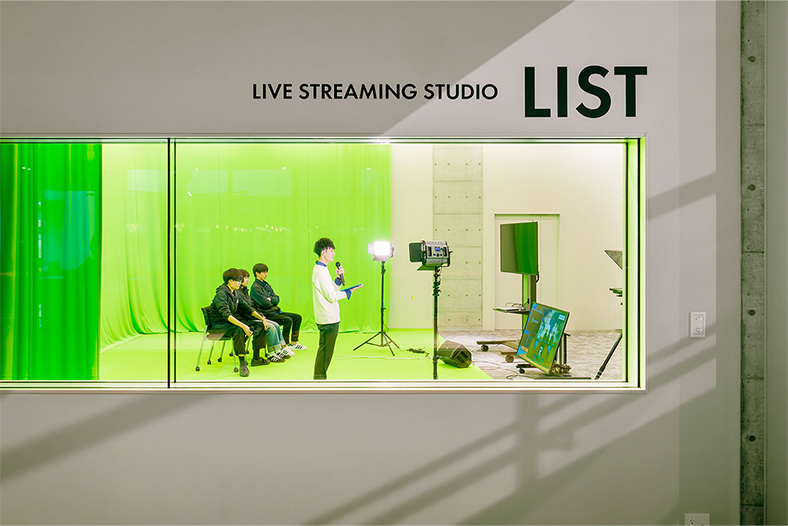
Central to this effort is the creation of an environment centered on “social co-creation” as a “Try Field.” To this end, we have established facilities such as the Co-Creation Hub, SP Lab, KOBO, LIST, JIZAI HALL, and TERRACE GATE, expanding the spaces where undergraduate and graduate students, faculty and staff, and a diverse range of external stakeholders, including businesses and local governments, can meet, learn from one another, and take on new challenges.
In addition, we have gradually rolled out initiatives such as digital transformation (DX) and startup support through the establishment of a Microsoft Base; creative skills development through our membership in Adobe Creative Campus; addressing local issues via the Social Co-creation Desk; and fostering collaboration between companies, local governments, and students through the RINC membership system. These initiatives, which began at OIC, are now expanding beyond the boundaries of individual campuses to include Kinugasa, BKC, APU, and affiliated schools.
(2) Initiatives Linking the Humanities and Social Sciences with Creativity (Kinugasa)
At the Kinugasa Campus, we have been developing an environment that integrates peace, culture, art, design, and social co-creation, while building on the university’s academic philosophy and studies in the humanities and social sciences.
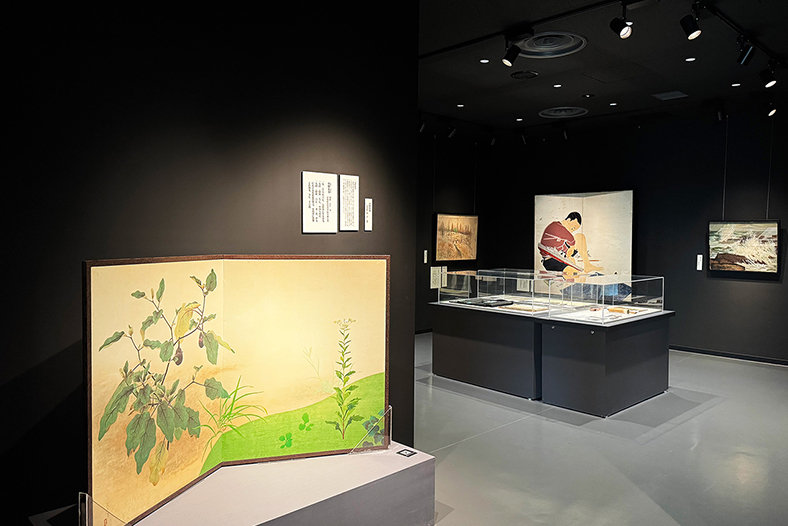
In AY 2023, we completely renovated Academia Ritsumeikan 21 and reopened the Kyoto Museum for World Peace, Ritsumeikan University. Guided by the principles of “sharing memories of war,” “serving as a space for building peace,” and “providing a research hub that supports peacebuilding,” the museum has enhanced its role as a hub for communicating the university’s academic philosophy both on and off campus by renovating its permanent exhibitions and the Mugonkan, and by establishing the Peace Commons.
In addition, in April 2026, the Kinugasa Campus opened the College of Art and Design and the Graduate School of Science in Arts and Design, marking the first new college established there since the College of Image Arts and Sciences. In conjunction with this, the Jukokan Hall will undergo a complete renovation, and in AY 2027, we plan to open a new wing and establish a Fab Lab as a university-wide facility. Through these efforts, we are working to create an environment where learning and creativity in the humanities and social sciences can stimulate each other and lead to social co-creation.
At the same time, we have been working to improve the learning environment across the entire Kinugasa Campus, including a comprehensive renovation plan for the Igakukan Hall.
(3) Initiatives Supporting Cutting-Edge Research and Science and Engineering Education (BKC)
At the Biwako-Kusatsu Campus, we have been building upon our accumulated expertise in education and research, particularly in the fields of science and engineering, to create an environment that supports cutting-edge research, interdisciplinary collaboration, entrepreneurship, and societal implementation.
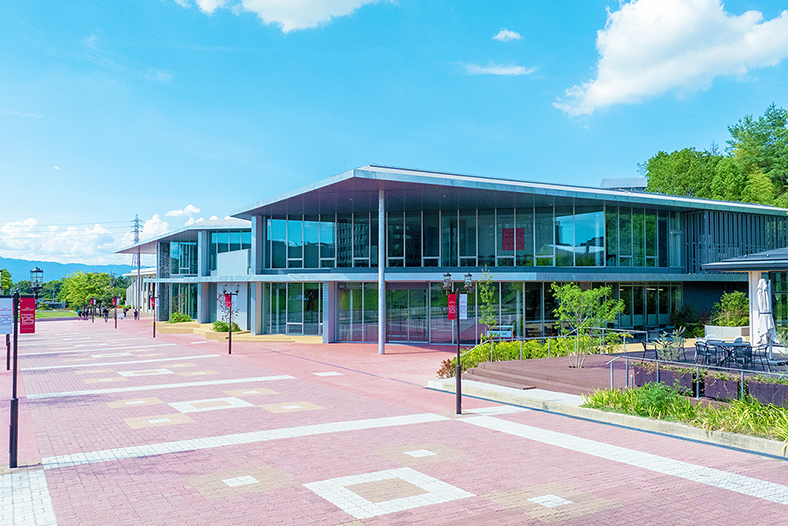
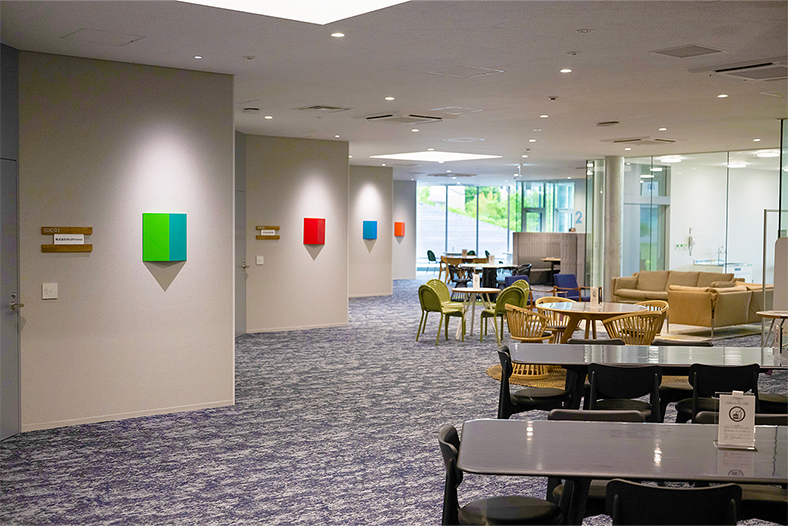
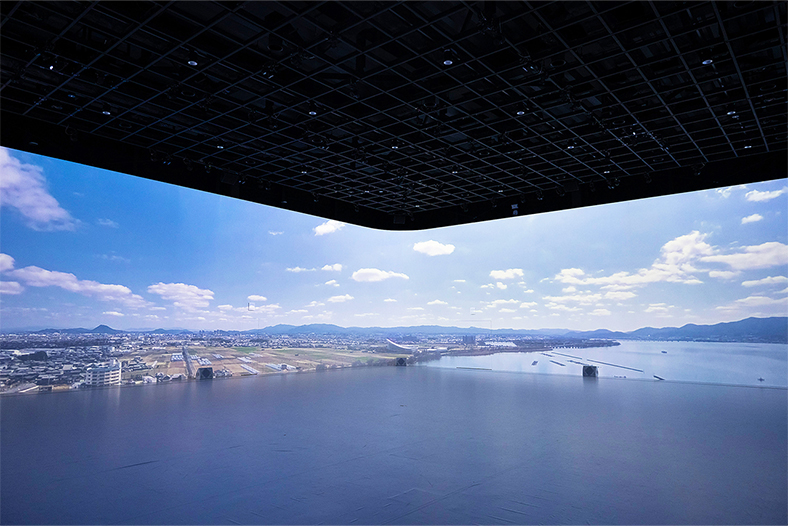
In AY 2025, we opened the Ritsumeikan Advanced Cross-verse Innovation Commons (CVIC) and the Grassroots Innovation Center (GIC), significantly expanding our Fab Lab and entrepreneurship-related facilities. Even after the relocation of the College and Graduate School of Information Science and Engineering to OIC, BKC continues to make steady progress toward realizing a next-generation research university.
Specifically, we have been advancing infrastructure development to enhance education and research, including the planned establishment of the Graduate School of Frontier Exploration in Earth and Space (provisional name) in AY 2028; the development of educational and research environments to support academic reforms in the College and Graduate School of Life Sciences and the College and Graduate School of Pharmaceutical Sciences; and the completion in AY 2026 of a facility to house the “Kenshoku Collection,” one of Japan’s largest collections of historical materials related to Japanese cuisine.
(4) Development of a Common Infrastructure to Support Student Life
In addition to the distinctive development initiatives for each campus described above, we have also been working to establish the infrastructure necessary to support students’ learning, research, extracurricular activities, and daily life. Specifically, these include the renovation of restrooms, the installation of automatic doors at entrances, the renovation of the Shigakukan Hall, a feasibility study for expanding the basement cafeteria in the Zonshinkan Hall, a complete renovation of Union Square, the replacement of the artificial turf at Green Field, the construction of the Bio Frontier, and the installation of solar power systems.
Of these campus improvements, discussions regarding the new OIC development, the Union Square renovation, the Igakukan renovation, and the study of improvements to the dining environment were conducted through multiple workshops with students, ensuring that planning was based on student feedback and actual usage patterns. The university views this process as an initiative where students’ proactive expression of opinions intersects with the university’s facility development and environmental improvements. The development of facilities and infrastructure goes beyond mere physical improvements; it serves as a vital foundation that shapes how undergraduate and graduate students learn, engage in activities, and go about their daily lives. Efforts to improve campus access have also been ongoing. In particular, the university has repeatedly lobbied local authorities regarding the commuting challenges faced by undergraduate and graduate students at BKC. As a result, measures to improve commuting convenience, such as enhancing the bus waiting areas around Minami-Kusatsu Station, are currently being implemented.
These efforts represent a key milestone in our ongoing work to create a campus environment that supports students’ education, research, and daily lives, based on feedback and actual usage patterns.
As described above, from AY 2022 through AY 2025, Ritsumeikan University has been advancing initiatives in academic reform, research advancement, globalization, student support, career development support, the visualization of learning and growth, and campus development, while ensuring that these efforts are mutually reinforcing. We believe that these initiatives have expanded the systems and opportunities available to support the education, research, and student life of both undergraduate and graduate students.
At the same time, we still need to carefully assess how these initiatives are reaching each and every undergraduate and graduate student, and how they are translating into a sense of learning and growth, or a heightened awareness of challenges. In addition, it is also important to continue exploring how undergraduate and graduate students themselves can make sense of their wide-ranging experiences, such as coursework, extracurricular activities, research, international exchange, and career development, and apply them to their future learning and actions.
In the next chapter, taking these achievements and challenges into account, we will outline key initiatives for education, research, and student life in the latter half of R2030, as well as topics we would like to discuss further with our undergraduate and graduate students.
-
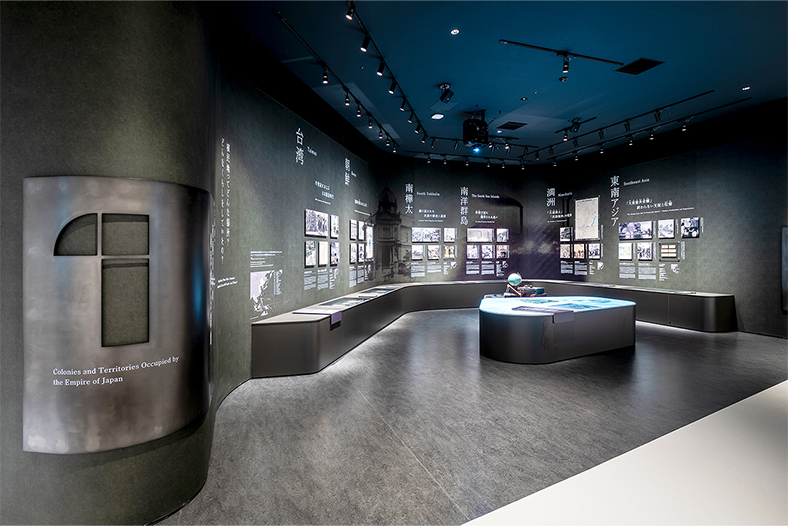
【KIC】 Theme Hubs in Kyoto Museum for World Peace, Ritsumeikan University -
【KIC】 “The Studio of Life” Kyoto Annex to the Mugonkan -
【BKC】 Grassroots Innovation Center/RItsumeikan University Opens Advanced Crossverse Innovation Commons -
【BKC】 Startup Lounge (GIC) -
【BKC】 Crossverse Arena (CVIC) -
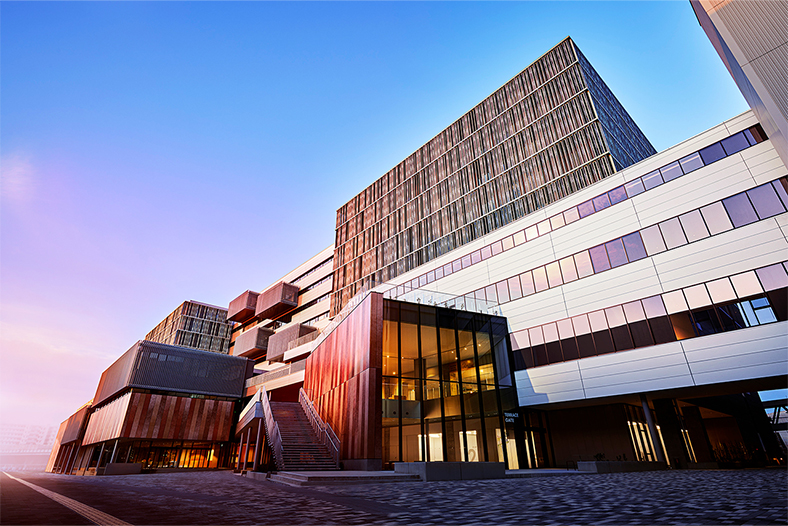
【OIC】 Building H -
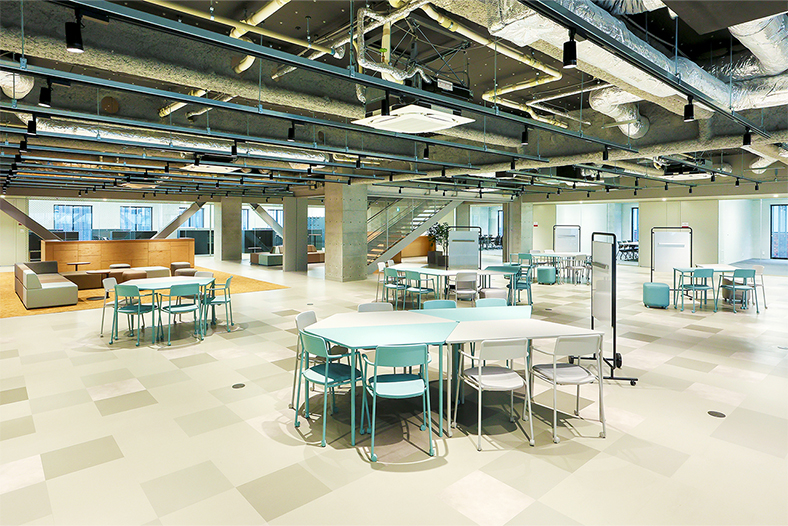
【OIC】 Co-Creation Hub(Bldg. H) -
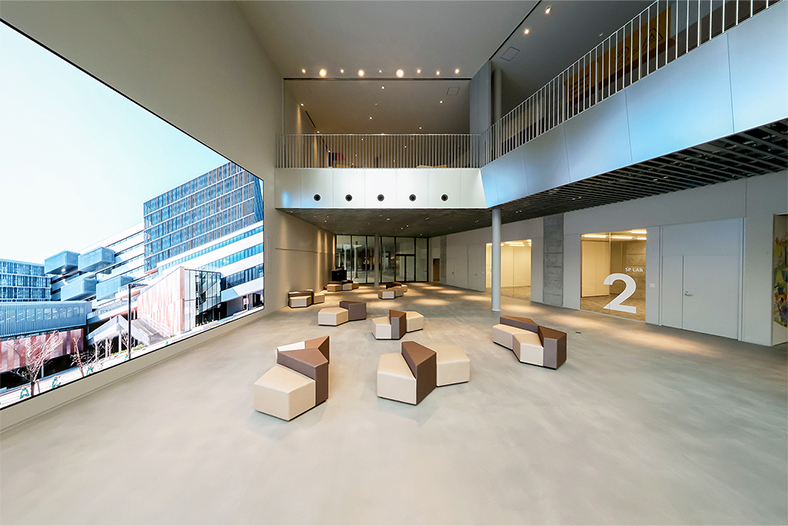
【OIC】 TERRACE GATE(Bldg. H) -
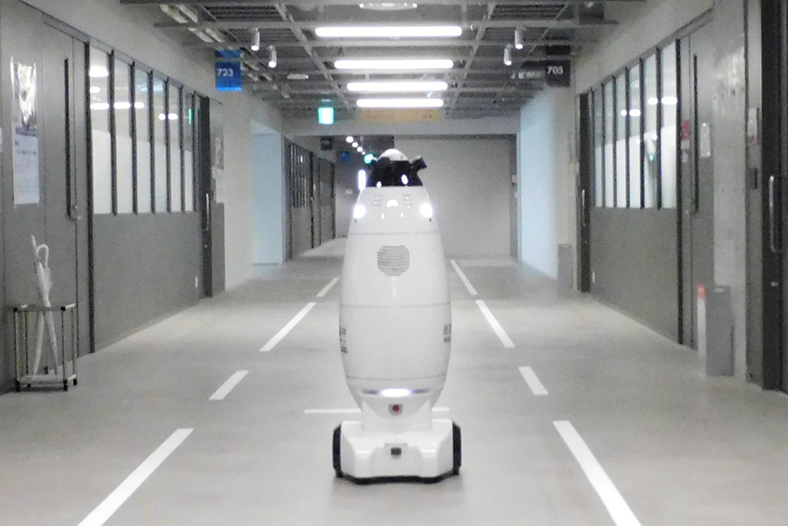
【OIC】 Autonomous security patrol robot(Bldg. H) -
【OIC】 LIST(Bldg. H)
Building on Dialogue with Undergraduate and Graduate Students to Enrich the Present While Envisioning Future Developments
Contents
-
Chapter Ⅰ
Significance and Positioning of the AY 2026 Plenary Council
To consider the future direction of Ritsumeikan University
- 1. Changes in the social and higher education environment surrounding universities
- 2. What changes in the social and university environment have asked about undergraduate and graduate student learning
- 3. The types of undergraduate and graduate students Ritsumeikan seeks to produce in light of changes in the social and university environment
- 4. As we enter the second half of R2030
- 5. The Role of the AY 2026 Plenary Council
- 6. List of key themes and annual schedule for AY 2026
-
Chapter ⅡThe Plenary Council as a Process of Academy Co-creation
—Building on Discussions Since AY 2022—
- 1. Progress Made in Academy Co-creation and the Expanding Dialogue
- 2. Division of Roles and Coordination Between the Plenary Council and Plenary Council Representatives’ Meeting
- 3. Specific Examples of Advancements in Academy Co-creation
- 4. Less Visible Issues and the Expected Role of Five-Party Discussion Meetings
- 5. Context Leading Up the AY 2026 Plenary Council
-
Chapter ⅢRitsumeikan University’s Initiatives from AY 2022 to AY 2025
—Progress in the First Half of R2030 Toward Enriching Education, Research, and Student Life—
- 1. Development of the Learning Environment and Academic Reform
- 2. Advancing Research and Supporting Graduate Students and Early-Career Researchers
- 3. Expansion of International Learning and Multicultural Collaborative Learning
- 4. Enhancing Student Support Services to Support Student Life and Extracurricular Activities
- 5. Career Development Support to Foster Independent Career Choices
- 6. Developing the Infrastructure to Support the Visualization of Learning and Growth
-
7. Campus Development and Initiatives to Support Education, Research, and Student Life
- (1) Campus Development Centered on Social Co-creation (OIC)
- (2) Initiatives Linking the Humanities and Social Sciences with Creativity (Kinugasa)
- (3) Initiatives Supporting Cutting-Edge Research and Science and Engineering Education (BKC)
- (4) Development of a Common Infrastructure to Support Student Life
-
Chapter ⅣKey Educational, Research, and Student Life Initiatives for the Second Half of R2030
Building on Dialogue with Undergraduate and Graduate Students to Enrich the Present While Envisioning Future Developments
-
1. Directions for Academic Reform in the Second Half of R2030
- (1) Articulating Integrated Education and Connecting Inquiry to Research
- (2) Reform of University-Wide Education and the Development of Learning that Connects with Society
- (3) Internationalization of Education and the Development of Multicultural Collaborative Learning
- (4) Educational DX and the Visualization of Learning
- 2. Enhancing Graduate Education, the Research Environment, and Career Support
- 3. Creating an Environment That Supports Student Life, Extracurricular Activities, and International Learning
- 4. Connecting Experiences to Meaning-Making and Career Development
-
1. Directions for Academic Reform in the Second Half of R2030
-
Chapter ⅤFinancial Management during the R2030 Period and Ritsumeikan University’s Student Fees and Finance Policy for AY 2027 and Beyond
- 1. Financial Structure of Private Universities and Ritsumeikan University’s Basic Approach
- 2. Financial Management from R2020 Through the First Half of R2030 and Achievements to Date
- 3. Financial Management in the Second Half of R2030
- 4. Student-Fee Policy for AY 2027 and Beyond and AY 2027 Tuition and Other Fees
- ConclusionToward the open session of the Plenary Council to Be Held in October 2026