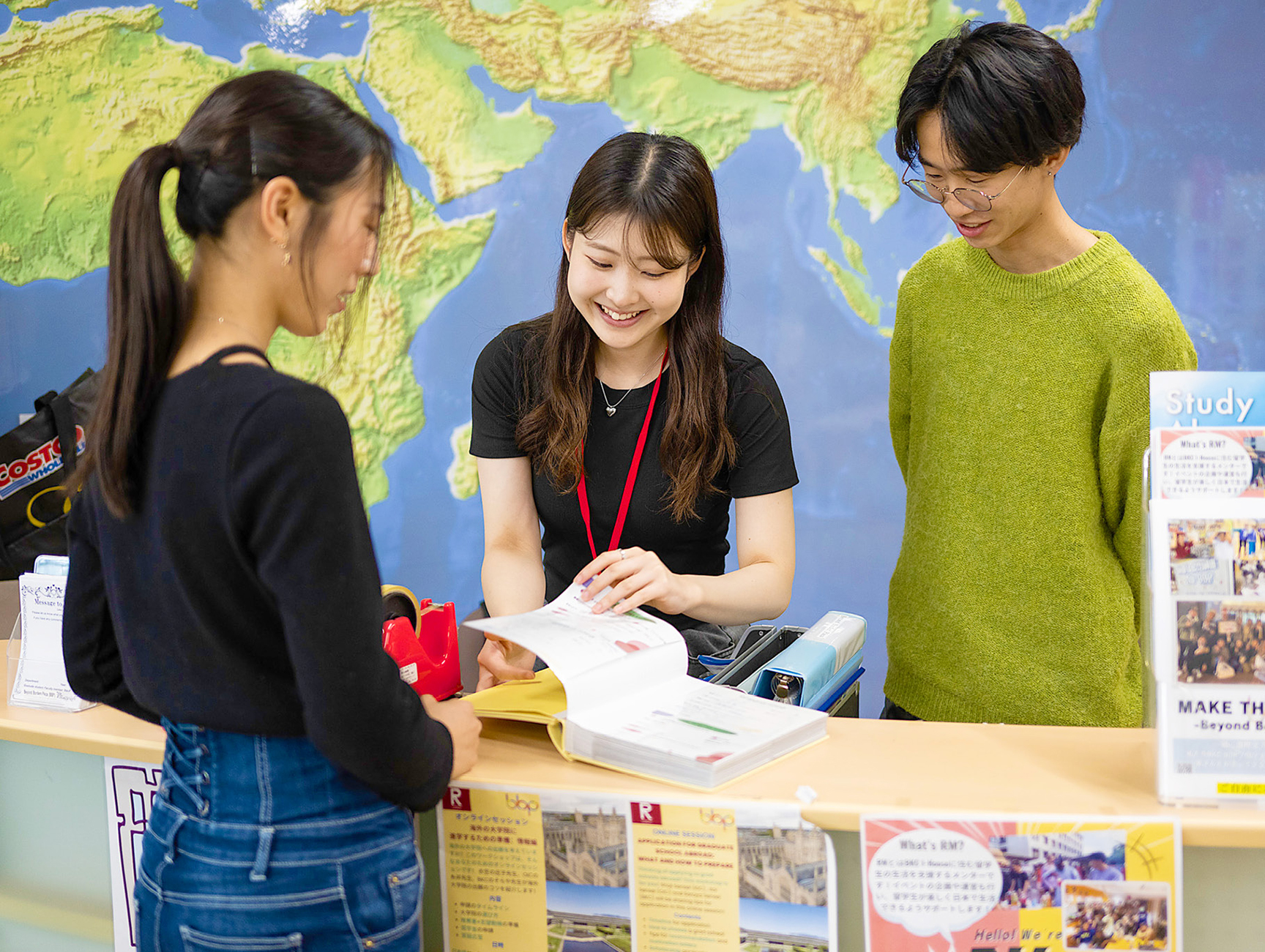
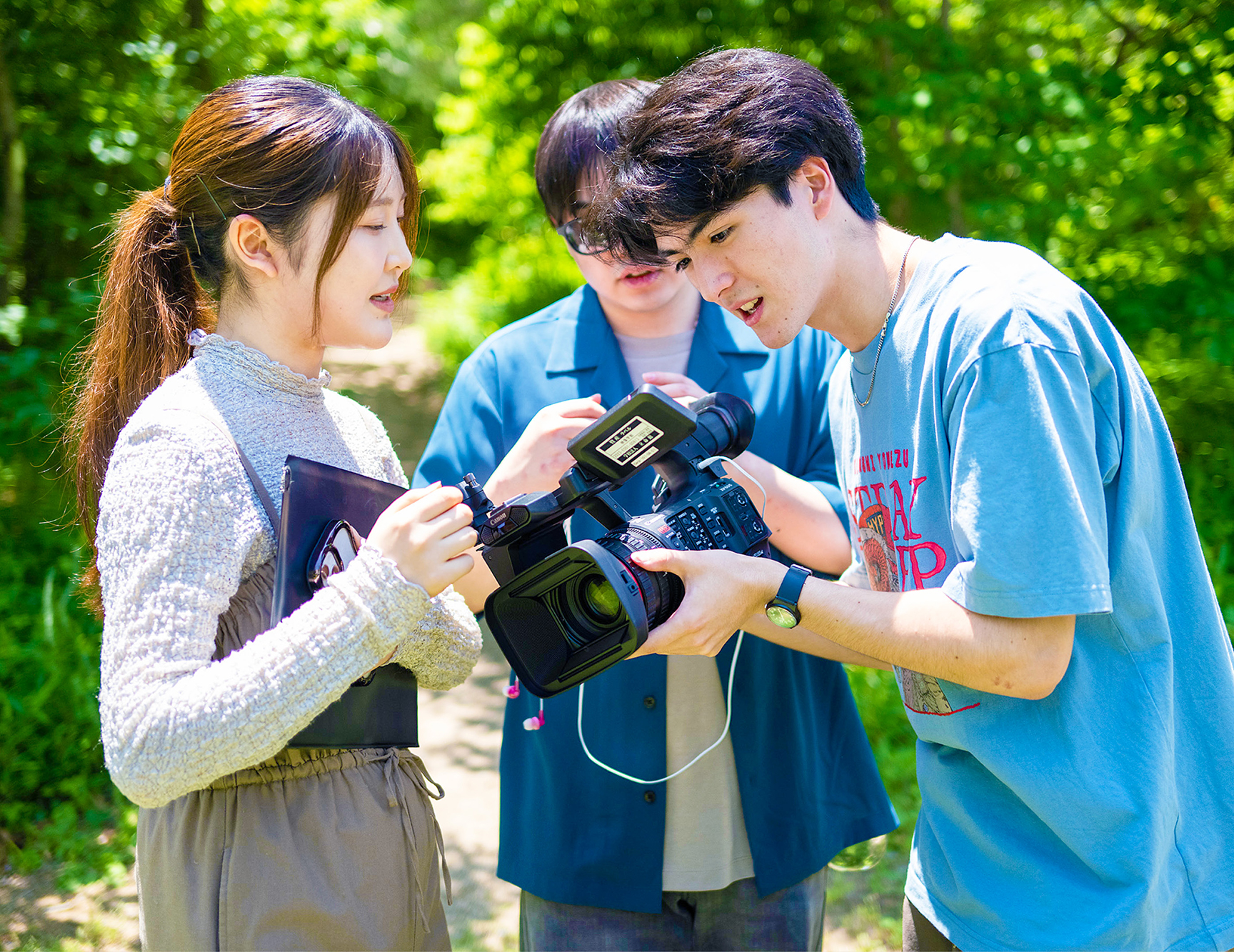
1. Development of the Learning Environment and Academic Reform
In order to become a “next-generation research university” and cultivate “innovative and creative talent,” as outlined in the R2030 Challenge Design, the university has been advancing academic reforms and improving the learning environment by incorporating feedback from undergraduate and graduate students through discussions with the Student Union and the Graduate Student Council, as well as through five-party discussion meetings held at each college and graduate school.
First, to improve the learning environment, a new academic calendar was introduced in AY 2025, transitioning to a semester structure based on “95-minute classes × 14 weeks + 20 minutes of VOD, etc.” By eliminating Saturday classes and creating some breathing room in the schedule, this change has fostered an environment that facilitates a wide range of learning opportunities, including extracurricular activities, study abroad programs, and community and social engagement initiatives, in addition to the regular curriculum. In addition, in conjunction with the introduction of a student portal in AY 2026, the international standard Learning Management System “Moodle+R” was fully launched, establishing a platform to support learning both inside and outside the classroom.
Meanwhile, in terms of university-wide education reform, an emphasis has been placed on learning that integrates with specialized education, and to this end, we have been promoting English language education reform and the Mathematics, Data Science, and AI Education Program. This English education reform, building on discussions at the Plenary Council in AY 2022, confirmed a policy to gradually implement research- and discipline-integrated English education through to 2030. As part of the AY 2026 curriculum reform, the College of Letters, the College of Science and Engineering, the College of Gastronomy Management, and the College of Comprehensive Psychology will strengthen collaboration with specialized courses and expand English language education for students in their upper years of study. In addition, the College of Arts and Design, which was established in AY 2026, will also provide English language education that bridges research and specialization. As a result of these efforts, the number of undergraduate students meeting the standard of B1 or higher in the CEFR, the international language proficiency framework, is projected to reach 18,632 (54.2%) in AY 2025, continuing to meet the ultimate SGU goal of 50% or higher.
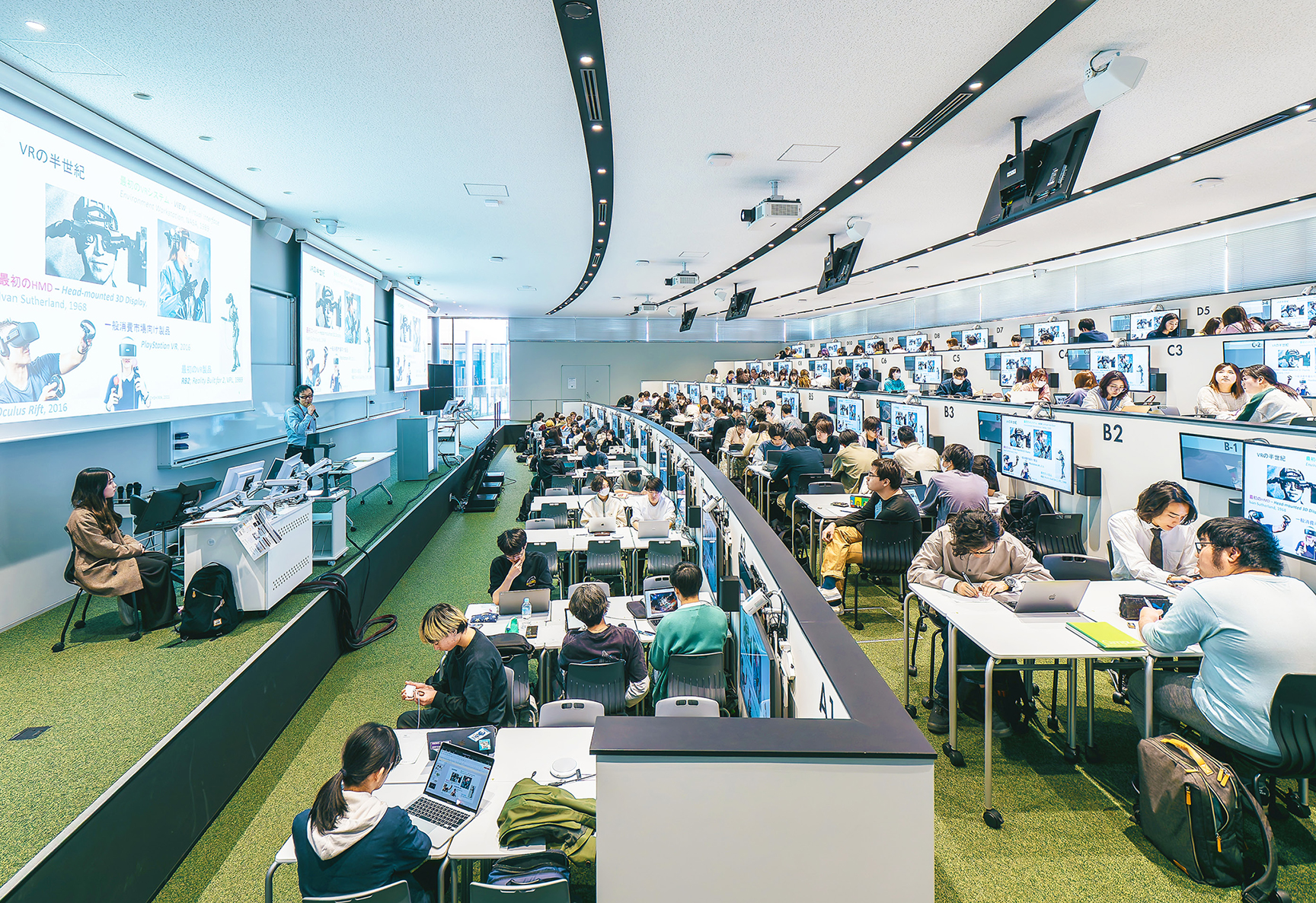
In the liberal arts curriculum, the “Data Science + R Program (Fundamentals)” received certification under the Ministry of Education, Culture, Sports, Science and Technology’s certification system for mathematics, data science, and AI education programs, in AY 2023, with the “Data Science + R Program (Applied Fundamentals)” receiving certification in AY 2024. These programs offer multiple courses via distance learning, creating an environment where students can study regardless of their department or campus. Students can begin taking these courses as early as their first year, and the curriculum is designed to allow for step-by-step learning regardless of academic background or prior knowledge. Upon completion, students are issued an Open Badge as a micro-credential. Furthermore, the fall semester of AY 2024 saw the launch of an inquiry-based course titled “Inquiry and Research for Creating the Future” as part of the Liberal Arts Seminar, developing learning experiences that bridge inquiry-based learning in high school with research at the undergraduate and graduate levels.
In conjunction with these initiatives in undergraduate education, we have also been working to expand both the quality and quantity of our graduate education programs with the aim of establishing a next-generation research university. In the last eight years, the number of graduate students has increased by approximately 1,000, with 144 doctoral degrees awarded in AY 2025. In the first half of the year, we strengthened career support for graduate students and expanded educational and research opportunities in collaboration with research organizations, including the active participation of many graduate students in projects at research institutes and centers. In addition, the Teaching Fellow (TF) program has been offered as a full-time graduate course since AY 2025, allowing more graduate students to take part in pre-FD programs.
Contents
-
Chapter Ⅰ
Significance and Positioning of the AY 2026 Plenary Council
To consider the future direction of Ritsumeikan University
- 1. Changes in the social and higher education environment surrounding universities
- 2. What changes in the social and university environment have asked about undergraduate and graduate student learning
- 3. The types of undergraduate and graduate students Ritsumeikan seeks to produce in light of changes in the social and university environment
- 4. As we enter the second half of R2030
- 5. The Role of the AY 2026 Plenary Council
- 6. List of key themes and annual schedule for AY 2026
-
Chapter ⅡThe Plenary Council as a Process of Academy Co-creation
—Building on Discussions Since AY 2022—
- 1. Progress Made in Academy Co-creation and the Expanding Dialogue
- 2. Division of Roles and Coordination Between the Plenary Council and Plenary Council Representatives’ Meeting
- 3. Specific Examples of Advancements in Academy Co-creation
- 4. Less Visible Issues and the Expected Role of Five-Party Discussion Meetings
- 5. Context Leading Up the AY 2026 Plenary Council
-
Chapter ⅢRitsumeikan University’s Initiatives from AY 2022 to AY 2025
—Progress in the First Half of R2030 Toward Enriching Education, Research, and Student Life—
- 1. Development of the Learning Environment and Academic Reform
- 2. Advancing Research and Supporting Graduate Students and Early-Career Researchers
- 3. Expansion of International Learning and Multicultural Collaborative Learning
- 4. Enhancing Student Support Services to Support Student Life and Extracurricular Activities
- 5. Career Development Support to Foster Independent Career Choices
- 6. Developing the Infrastructure to Support the Visualization of Learning and Growth
-
7. Campus Development and Initiatives to Support Education, Research, and Student Life
- (1) Campus Development Centered on Social Co-creation (OIC)
- (2) Initiatives Linking the Humanities and Social Sciences with Creativity (Kinugasa)
- (3) Initiatives Supporting Cutting-Edge Research and Science and Engineering Education (BKC)
- (4) Development of a Common Infrastructure to Support Student Life
-
Chapter ⅣKey Educational, Research, and Student Life Initiatives for the Second Half of R2030
Building on Dialogue with Undergraduate and Graduate Students to Enrich the Present While Envisioning Future Developments
-
1. Directions for Academic Reform in the Second Half of R2030
- (1) Articulating Integrated Education and Connecting Inquiry to Research
- (2) Reform of University-Wide Education and the Development of Learning that Connects with Society
- (3) Internationalization of Education and the Development of Multicultural Collaborative Learning
- (4) Educational DX and the Visualization of Learning
- 2. Enhancing Graduate Education, the Research Environment, and Career Support
- 3. Creating an Environment That Supports Student Life, Extracurricular Activities, and International Learning
- 4. Connecting Experiences to Meaning-Making and Career Development
-
1. Directions for Academic Reform in the Second Half of R2030
-
Chapter ⅤFinancial Management during the R2030 Period and Ritsumeikan University’s Student Fees and Finance Policy for AY 2027 and Beyond
- 1. Financial Structure of Private Universities and Ritsumeikan University’s Basic Approach
- 2. Financial Management from R2020 Through the First Half of R2030 and Achievements to Date
- 3. Financial Management in the Second Half of R2030
- 4. Student-Fee Policy for AY 2027 and Beyond and AY 2027 Tuition and Other Fees
- ConclusionToward the open session of the Plenary Council to Be Held in October 2026