3. Expansion of International Learning and Multicultural Collaborative Learning
Since AY 2022, Ritsumeikan University’s globalization efforts have shifted from the stage of launching new systems and initiatives to the stage of integrating them into the learning and daily lives of each and every student. With travel and international exchange — which had been restricted due to the COVID-19 pandemic — now back to normal, many students are now able to study abroad and participate in learning experiences in multicultural environments.
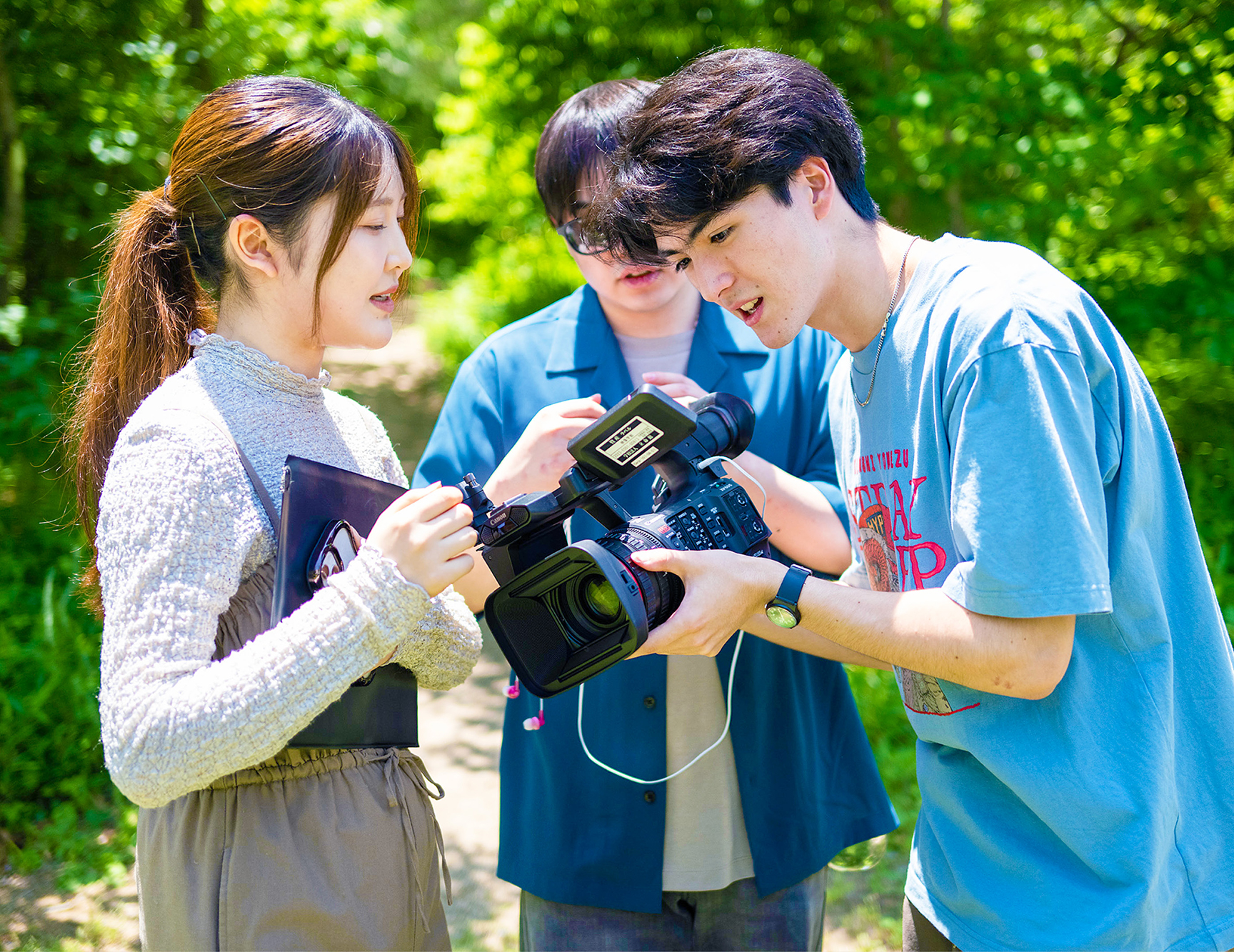
During this time, the university has advanced initiatives such as study abroad programs, overseas internships, PBL, fieldwork, and multicultural joint courses. In addition to long-term study abroad and exchange programs, a wide range of options, including short-term programs, is now available, creating an environment where students can experience studying abroad in a way that suits them, depending on the duration and content of the program.
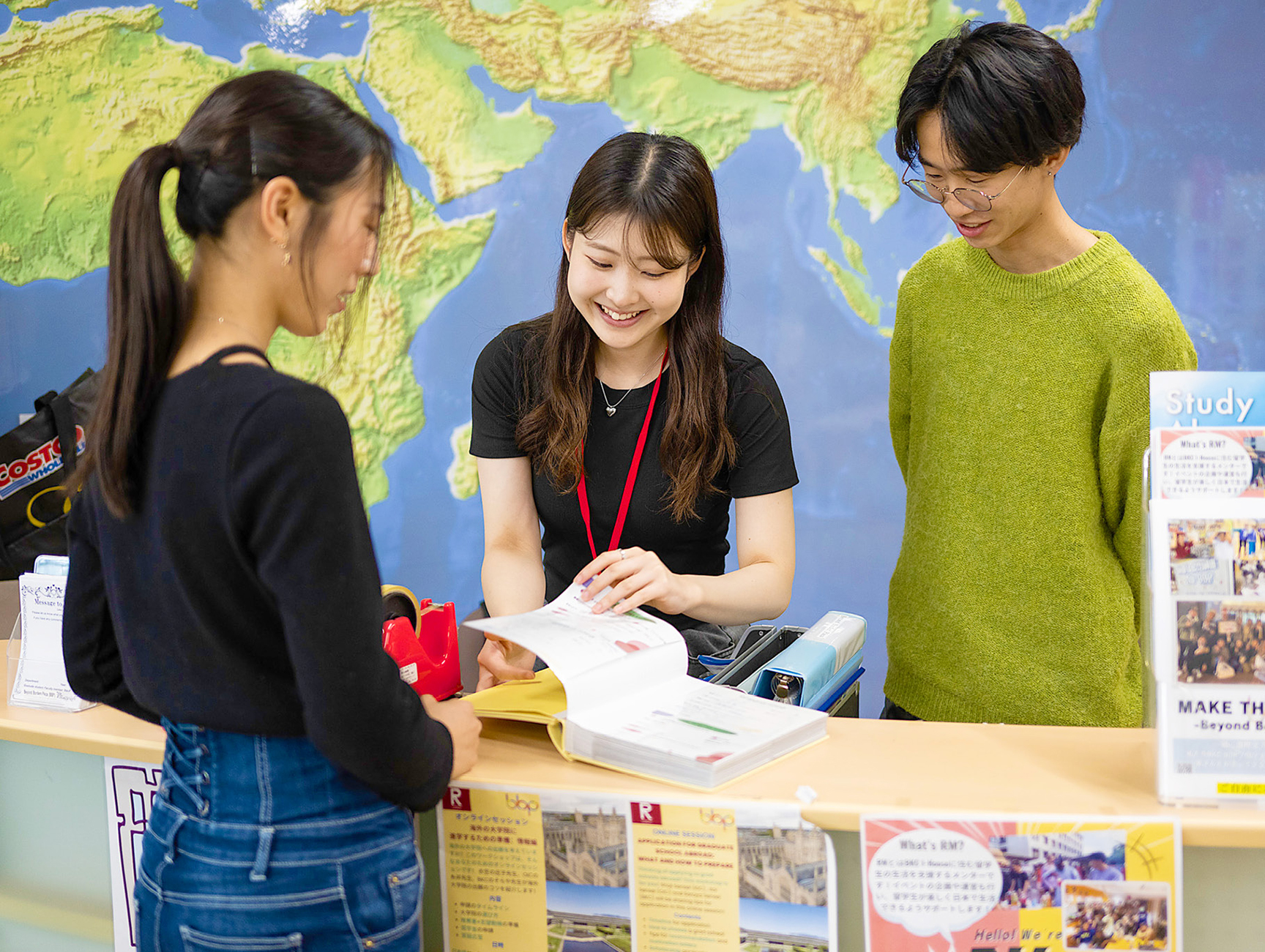
There is also a growing range of international learning opportunities on campus. Centered around Beyond Borders Plaza (BBP), a global commons, we have organized events and other activities that provide opportunities for multicultural learning, thereby increasing the chances for Japanese and international students to meet, interact, and learn together on a daily basis. In this way, we are steadily creating an environment where students can learn while engaging with different cultures and values, both inside and outside the classroom. These everyday interactions not only deepen mutual understanding but also provide opportunities for learning that encourage students to reflect on their own ideas and explore questions more deeply.
In addition, as part of our framework to support students in pursuing opportunities abroad, we have been developing overseas bases and working to create an environment where students can deepen multicultural exchange, including international dormitories on campus. As a result, the campus has become steadily more international, with greater opportunities to study abroad and to engage with the global community right on campus.
In this way, the university’s globalization is evolving from “international experiences as special opportunities” to “experiences of engaging with the world as part of everyday learning.” However, questions such as how to effectively integrate opportunities like study abroad, classes, exchanges through the BBP program, international dormitories, and multicultural joint study into students’ own learning and personal growth remain issues requiring further consideration.
Contents
-
Chapter Ⅰ
Significance and Positioning of the AY 2026 Plenary Council
To consider the future direction of Ritsumeikan University
- 1. Changes in the social and higher education environment surrounding universities
- 2. What changes in the social and university environment have asked about undergraduate and graduate student learning
- 3. The types of undergraduate and graduate students Ritsumeikan seeks to produce in light of changes in the social and university environment
- 4. As we enter the second half of R2030
- 5. The Role of the AY 2026 Plenary Council
- 6. List of key themes and annual schedule for AY 2026
-
Chapter ⅡThe Plenary Council as a Process of Academy Co-creation
—Building on Discussions Since AY 2022—
- 1. Progress Made in Academy Co-creation and the Expanding Dialogue
- 2. Division of Roles and Coordination Between the Plenary Council and Plenary Council Representatives’ Meeting
- 3. Specific Examples of Advancements in Academy Co-creation
- 4. Less Visible Issues and the Expected Role of Five-Party Discussion Meetings
- 5. Context Leading Up the AY 2026 Plenary Council
-
Chapter ⅢRitsumeikan University’s Initiatives from AY 2022 to AY 2025
—Progress in the First Half of R2030 Toward Enriching Education, Research, and Student Life—
- 1. Development of the Learning Environment and Academic Reform
- 2. Advancing Research and Supporting Graduate Students and Early-Career Researchers
- 3. Expansion of International Learning and Multicultural Collaborative Learning
- 4. Enhancing Student Support Services to Support Student Life and Extracurricular Activities
- 5. Career Development Support to Foster Independent Career Choices
- 6. Developing the Infrastructure to Support the Visualization of Learning and Growth
-
7. Campus Development and Initiatives to Support Education, Research, and Student Life
- (1) Campus Development Centered on Social Co-creation (OIC)
- (2) Initiatives Linking the Humanities and Social Sciences with Creativity (Kinugasa)
- (3) Initiatives Supporting Cutting-Edge Research and Science and Engineering Education (BKC)
- (4) Development of a Common Infrastructure to Support Student Life
-
Chapter ⅣKey Educational, Research, and Student Life Initiatives for the Second Half of R2030
Building on Dialogue with Undergraduate and Graduate Students to Enrich the Present While Envisioning Future Developments
-
1. Directions for Academic Reform in the Second Half of R2030
- (1) Articulating Integrated Education and Connecting Inquiry to Research
- (2) Reform of University-Wide Education and the Development of Learning that Connects with Society
- (3) Internationalization of Education and the Development of Multicultural Collaborative Learning
- (4) Educational DX and the Visualization of Learning
- 2. Enhancing Graduate Education, the Research Environment, and Career Support
- 3. Creating an Environment That Supports Student Life, Extracurricular Activities, and International Learning
- 4. Connecting Experiences to Meaning-Making and Career Development
-
1. Directions for Academic Reform in the Second Half of R2030
-
Chapter ⅤFinancial Management during the R2030 Period and Ritsumeikan University’s Student Fees and Finance Policy for AY 2027 and Beyond
- 1. Financial Structure of Private Universities and Ritsumeikan University’s Basic Approach
- 2. Financial Management from R2020 Through the First Half of R2030 and Achievements to Date
- 3. Financial Management in the Second Half of R2030
- 4. Student-Fee Policy for AY 2027 and Beyond and AY 2027 Tuition and Other Fees
- ConclusionToward the open session of the Plenary Council to Be Held in October 2026