4. Connecting Experiences to Meaning-Making and Career Development
The experiences that undergraduate and graduate students gain at university cannot be measured solely by the activities in which they participate, the credits they earn, or the outcomes of their job searches. What is important is how they reflect on experiences such as coursework, research, student-led extracurricular activities, international exchange, collaboration with local communities and society, peer support, part-time work, and internships, and how they connect those experiences to their own interests, values, and future choices.
From the perspective of self-authorship discussed in Chapter 3, university support should be understood not as a means of guiding students toward a particular “correct” answer or career path, but rather as support that fosters their ability to think, choose, and act for themselves. This section examines the reflection and visualization of diverse experiences, the reorganization of career development support, and key issues for discussion with undergraduate and graduate students.
(1) Supporting Reflection on and Articulation of Diverse Experiences
Diverse experiences do not automatically lead to growth on their own. It is through reflecting on those experiences and articulating what they have learned, as well as what abilities and interests they have developed, that undergraduate and graduate students can connect those experiences to future learning and action.
The Competency Framework discussed in Chapter 3 serves as a common foundation for supporting this process of reflection. It is important to advance the visualization of learning and growth so that students themselves can understand and connect experiences related to curricular education, student-led extracurricular activities, international learning, research activities, and career development.
Going forward, the university will consider how to incorporate opportunities for students to reflect on their experiences, articulate what they have learned, and connect those insights to future challenges in settings such as first-year education, seminars, career education, student-led extracurricular activities, study abroad and international exchange programs, and research activities. Through these efforts, the university will support undergraduate and graduate students in understanding the trajectory of their own learning and in taking an active role in shaping their future career paths and ways of life.
(2) Reorganizing Career Development Support
As discussed in Chapter 3, the university has established an environment that supports students in making career and educational pathway decisions through initiatives such as career and employment guidance programs, individual consultations, the Comprehensive Job-Hunting Portal, and support for highly competitive career fields. In the second half of R2030, it will be important to reorganize these forms of support not as services limited to the job-search period, but as career development support connected to learning and experiences from the time of enrollment, as well as to graduate school progression, study abroad, student-led extracurricular activities, social co-creation, and research activities.
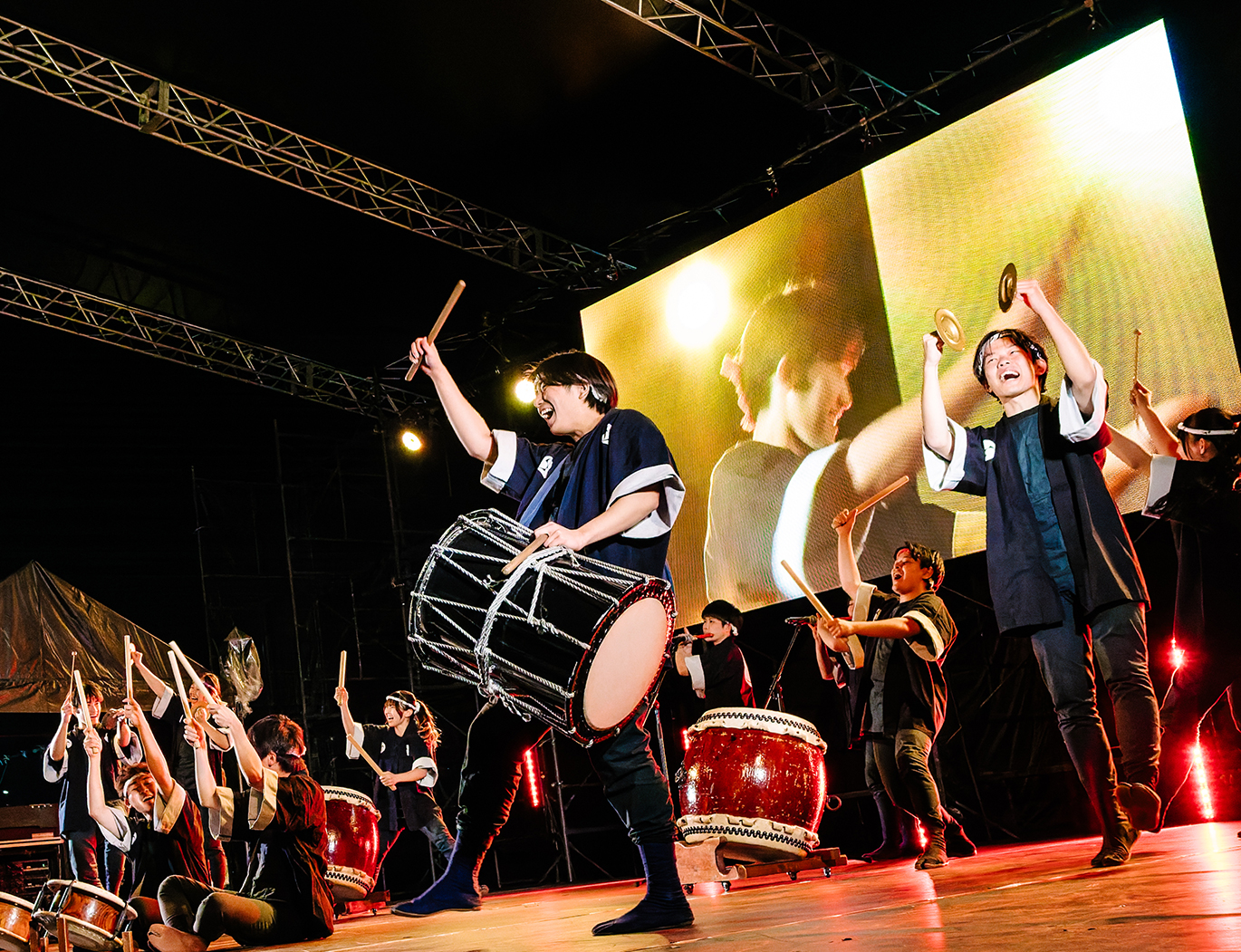
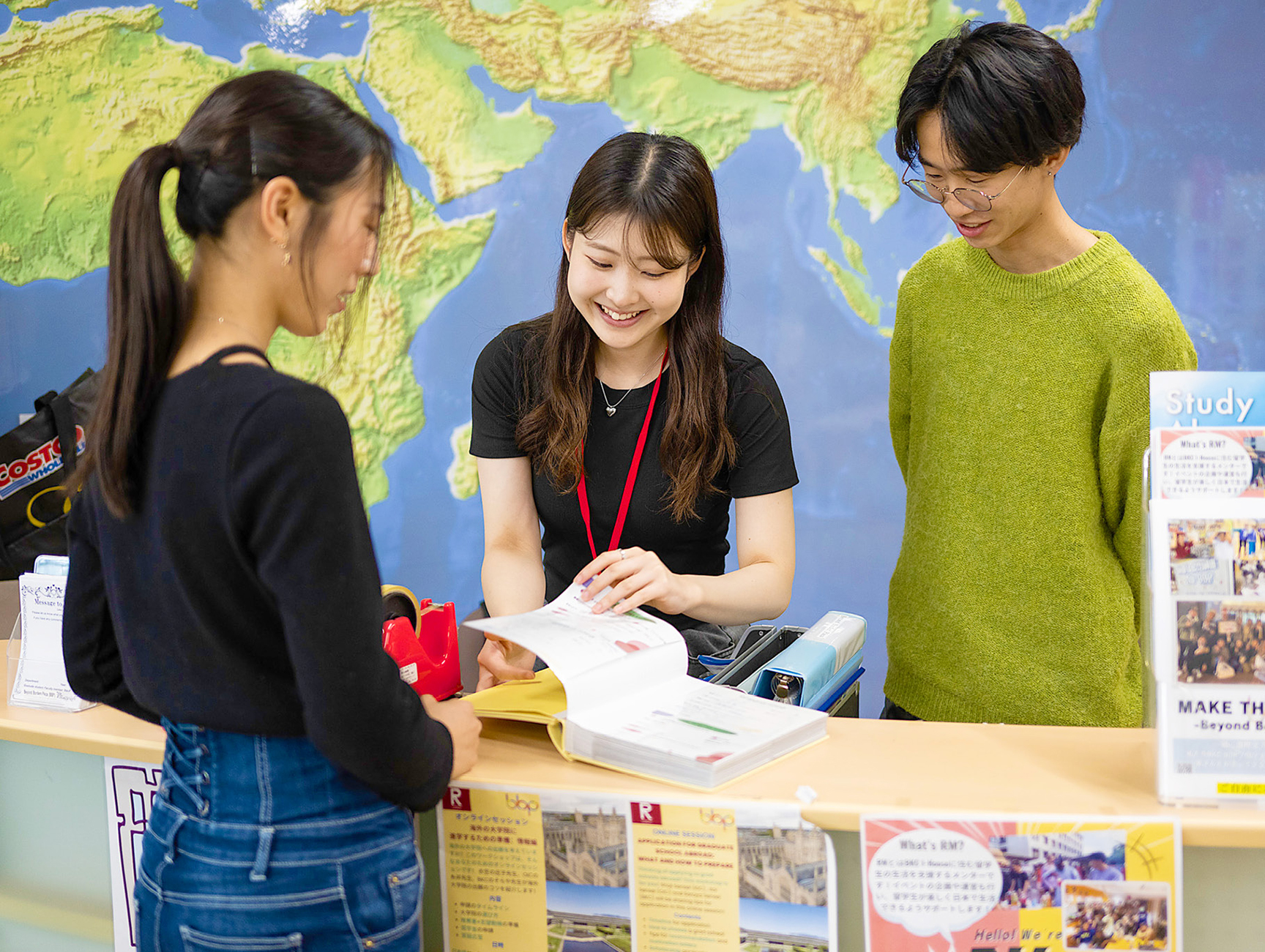
The university will consider how to provide support tailored to the circumstances of undergraduate and graduate students, including enabling lower-year students to engage with society and explore diverse career possibilities at an early stage, supporting graduate students in envisioning their futures through an ongoing interplay between research and career development, and ensuring that international students and students requiring individualized support can access assistance appropriate to their situations.
Career development support is not merely intended to help students secure employment. Rather, it supports the process through which undergraduate and graduate students make meaning of their experiences and choose career paths and ways of life that they find personally meaningful and fulfilling. For this reason, it is essential that the Career Center, academic affairs divisions, student support divisions, international affairs divisions, graduate schools, and colleges work collaboratively to provide support throughout the entirety of student life.
(3) Key Issues for Discussion with Undergraduate and Graduate Students
To put the directions outlined above into practice, it is essential not only for the university to establish systems and support mechanisms, but also for undergraduate and graduate students to share the situations in which they need support and information, the experiences that contribute to their sense of growth, and the barriers that may discourage them from taking on challenges or participating in opportunities.
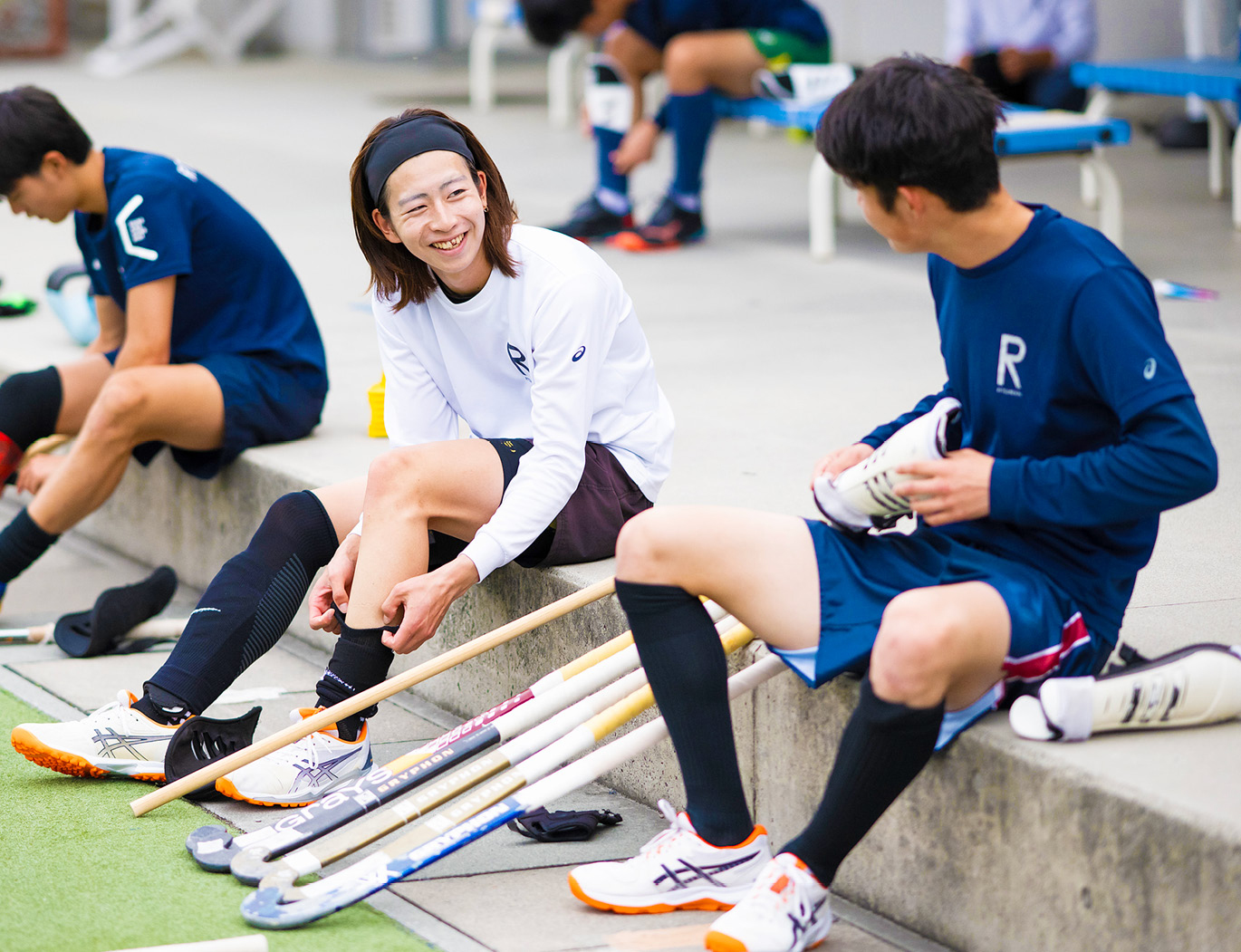
In preparation for the AY 2026 Plenary Council, we would particularly like to deepen discussions with undergraduate and graduate students on the following issues. These are not questions for which the university has already prepared answers. Rather, they are intended to help us jointly identify what the challenges are and what directions may be desirable based on the experiences and perspectives of undergraduate and graduate students.
-
●
Supporting Life Design Formation from the First Year
How should universities provide opportunities and create environments that enable students, from the early stages of enrollment, to gain an overall perspective on their university life, make meaning of their learning and experiences, and proactively consider their post-graduation pathways and future aspirations? -
●
Mentoring and Advisory Support for Student Challenges
How can an environment be created in which students can receive appropriate support and guidance, enabling them to learn and take on challenges with confidence? -
●
Connecting Diverse Learning Opportunities to Expand Student Challenges
How can curricular studies, extracurricular self-directed activities, social co-creation activities, international exchange and study abroad programs, and research activities be connected, not as separate experiences, but as an integrated learning process that fosters student growth? -
●
Promoting Multicultural Coexistence and Mutual Growth
How can students develop the abilities needed to contribute to a multicultural society through experiences of learning, engaging in dialogue, and collaborating with both international and domestic students? -
●
Creating an Environment that Supports International Exchange and Multicultural Coexistence
Through BBP, international dormitories, multicultural collaborative learning, study abroad programs, and other initiatives, how can universities create an environment in which students can learn and grow while regularly engaging in international exchange and cross-cultural understanding? -
●
Developing an Environment that Supports Extracurricular Self-Directed Activities
How can universities enhance facilities, equipment, and activity environments that support diverse extracurricular self-directed activities, including club and circle activities, peer support, community and social engagement, entrepreneurship, and social co-creation initiatives? -
●
Reflection and Visualization of Growth
How can universities establish mechanisms that enable students to reflect on and make meaning of their diverse experiences, recognize their own growth, and connect that growth to future challenges?
These issues are not limited to student life and career development. They are also closely connected to academic reform, graduate education, internationalization, and educational DX. Starting from the lived experiences of undergraduate and graduate students, the university will further develop initiatives for the second half of R2030 through the process of co-creation across the Ritsumeikan Academy.
Contents
-
Chapter Ⅰ
Significance and Positioning of the AY 2026 Plenary Council
To consider the future direction of Ritsumeikan University
- 1. Changes in the social and higher education environment surrounding universities
- 2. What changes in the social and university environment have asked about undergraduate and graduate student learning
- 3. The types of undergraduate and graduate students Ritsumeikan seeks to produce in light of changes in the social and university environment
- 4. As we enter the second half of R2030
- 5. The Role of the AY 2026 Plenary Council
- 6. List of key themes and annual schedule for AY 2026
-
Chapter ⅡThe Plenary Council as a Process of Academy Co-creation
—Building on Discussions Since AY 2022—
- 1. Progress Made in Academy Co-creation and the Expanding Dialogue
- 2. Division of Roles and Coordination Between the Plenary Council and Plenary Council Representatives’ Meeting
- 3. Specific Examples of Advancements in Academy Co-creation
- 4. Less Visible Issues and the Expected Role of Five-Party Discussion Meetings
- 5. Context Leading Up the AY 2026 Plenary Council
-
Chapter ⅢRitsumeikan University’s Initiatives from AY 2022 to AY 2025
—Progress in the First Half of R2030 Toward Enriching Education, Research, and Student Life—
- 1. Development of the Learning Environment and Academic Reform
- 2. Advancing Research and Supporting Graduate Students and Early-Career Researchers
- 3. Expansion of International Learning and Multicultural Collaborative Learning
- 4. Enhancing Student Support Services to Support Student Life and Extracurricular Activities
- 5. Career Development Support to Foster Independent Career Choices
- 6. Developing the Infrastructure to Support the Visualization of Learning and Growth
-
7. Campus Development and Initiatives to Support Education, Research, and Student Life
- (1) Campus Development Centered on Social Co-creation (OIC)
- (2) Initiatives Linking the Humanities and Social Sciences with Creativity (Kinugasa)
- (3) Initiatives Supporting Cutting-Edge Research and Science and Engineering Education (BKC)
- (4) Development of a Common Infrastructure to Support Student Life
-
Chapter ⅣKey Educational, Research, and Student Life Initiatives for the Second Half of R2030
Building on Dialogue with Undergraduate and Graduate Students to Enrich the Present While Envisioning Future Developments
-
1. Directions for Academic Reform in the Second Half of R2030
- (1) Articulating Integrated Education and Connecting Inquiry to Research
- (2) Reform of University-Wide Education and the Development of Learning that Connects with Society
- (3) Internationalization of Education and the Development of Multicultural Collaborative Learning
- (4) Educational DX and the Visualization of Learning
- 2. Enhancing Graduate Education, the Research Environment, and Career Support
- 3. Creating an Environment That Supports Student Life, Extracurricular Activities, and International Learning
- 4. Connecting Experiences to Meaning-Making and Career Development
-
1. Directions for Academic Reform in the Second Half of R2030
-
Chapter ⅤFinancial Management during the R2030 Period and Ritsumeikan University’s Student Fees and Finance Policy for AY 2027 and Beyond
- 1. Financial Structure of Private Universities and Ritsumeikan University’s Basic Approach
- 2. Financial Management from R2020 Through the First Half of R2030 and Achievements to Date
- 3. Financial Management in the Second Half of R2030
- 4. Student-Fee Policy for AY 2027 and Beyond and AY 2027 Tuition and Other Fees
- ConclusionToward the open session of the Plenary Council to Be Held in October 2026